Cardiac coherence: simple, but not without precautions
Cardiac coherence is often touted as a safe method for reducing stress, improving sleep, and enhancing well-being. And it’s true: from a physiological standpoint, breathing at a rate of 6 cycles per minute has virtually no contraindications.
But behind this image of a cure-all, there are a few common mistakes that can turn an excellent technique into a source of frustration, or even discomfort. And above all, there is a “danger” that receives far less attention: that of practicing too little to achieve any real results.
In this article, “Cardiac Coherence: Is It Dangerous?”, we share the five rules to follow to fully enjoy its benefits in complete safety. And we introduce you to the French innovation that makes the practice simple, effective, and sustainable in everyday life: the breathing belt neoflo, a medalist at the 2024 Concours Lépine.

Potential risks: Is cardiac coherence dangerous?
Let's be clear: cardiac coherence is not dangerous in and of itself. However, certain mistakes in practice or a lack of understanding of its effects can lead to:
- Temporary dizziness. The transition from shallow, chest-based breathing to deep, full-chest breathing may cause a temporary sensation of lightheadedness in the first few minutes. This is normal and usually goes away after a few sessions.
- A feeling of unease. If you push yourself too hard or try to do long workouts too soon without proper preparation, you may experience a paradoxical stress that ends up being counterproductive.
- An unexpected emotional impact. Deep relaxation can sometimes bring buried emotions to the surface. This is rare but real, especially among people who have experienced trauma.
These discomforts are minor, manageable, and go away with regular practice.
Free stress check
Is your body stuck in alert mode?
Find out how you're handling stress, and whether breathing exercises can help you take the pressure off.
Start my stress check🎁 Get an exclusive discount on neoflo
But the real danger of cardiac coherence isn't where you'd expect it to be!
You’reunderdosing: your sessions are too short (5 minutes), so you’re not reaching the dose needed to effectively regulate your nervous system and truly relieve your chronic symptoms.
This is precisely what neoflo refers to as the vagus nerve deep breathing : 20 minutes a day at 6 cycles per minute, using abdominal breathing.
The dosage validated by more than 100 clinical trials (Lehrer 2020 and Kwon 2025 meta-analyses), as opposed to the 5-minute regimen popularized online, which produces only a temporary soothing effect.

1. Take the time to learn the technique properly
Like any method, cardiac coherence requires careful practice. Don’t rush to follow a tutorial without understanding the basics. For the full scientific details, visit our Science page.
To practice cardiac coherence and maximize its effects on the vagus nerve, just three steps are needed:
- Breathe in through your nose for 4 to 5 seconds, focusing on abdominal breathing —your belly expands, while your chest stays still.
- Exhale slowly for 5 to 6 seconds, through your nose or mouth.
- Repeat this cycle for at least 15 to 20 minutes at a time, ideally every day.
It is consistency and duration—not intensity—that produce lasting benefits for stress, sleep, blood pressure, and chronic pain.
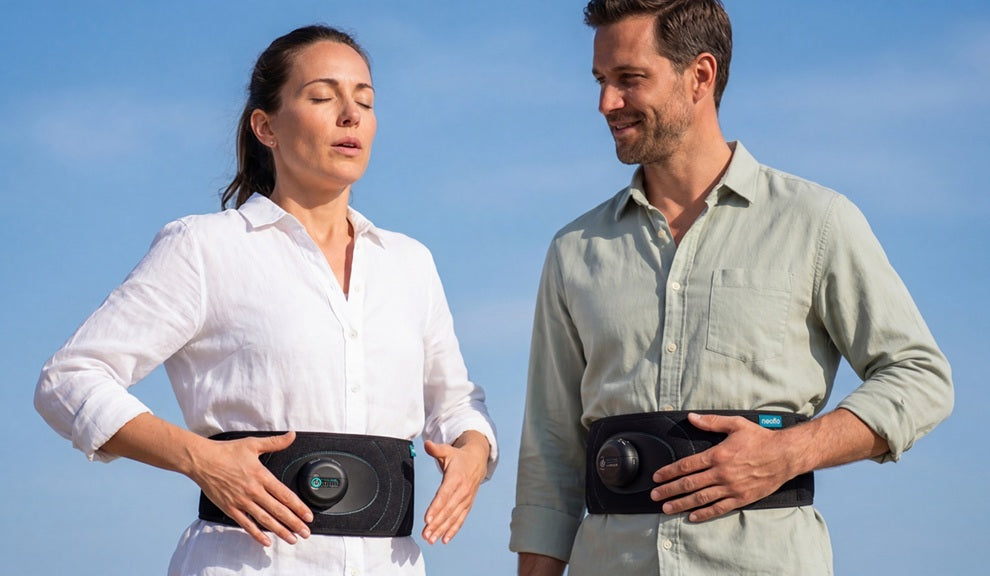
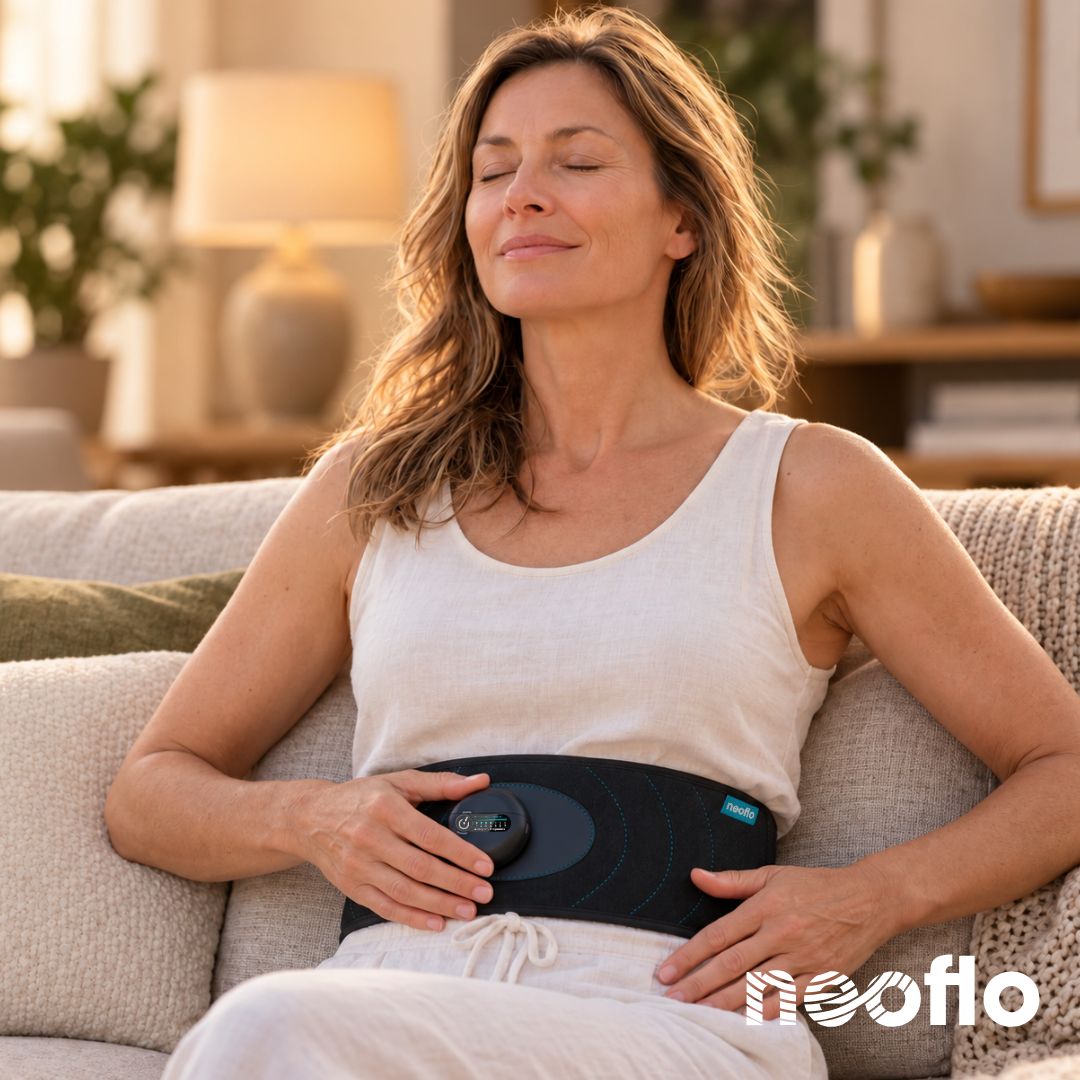
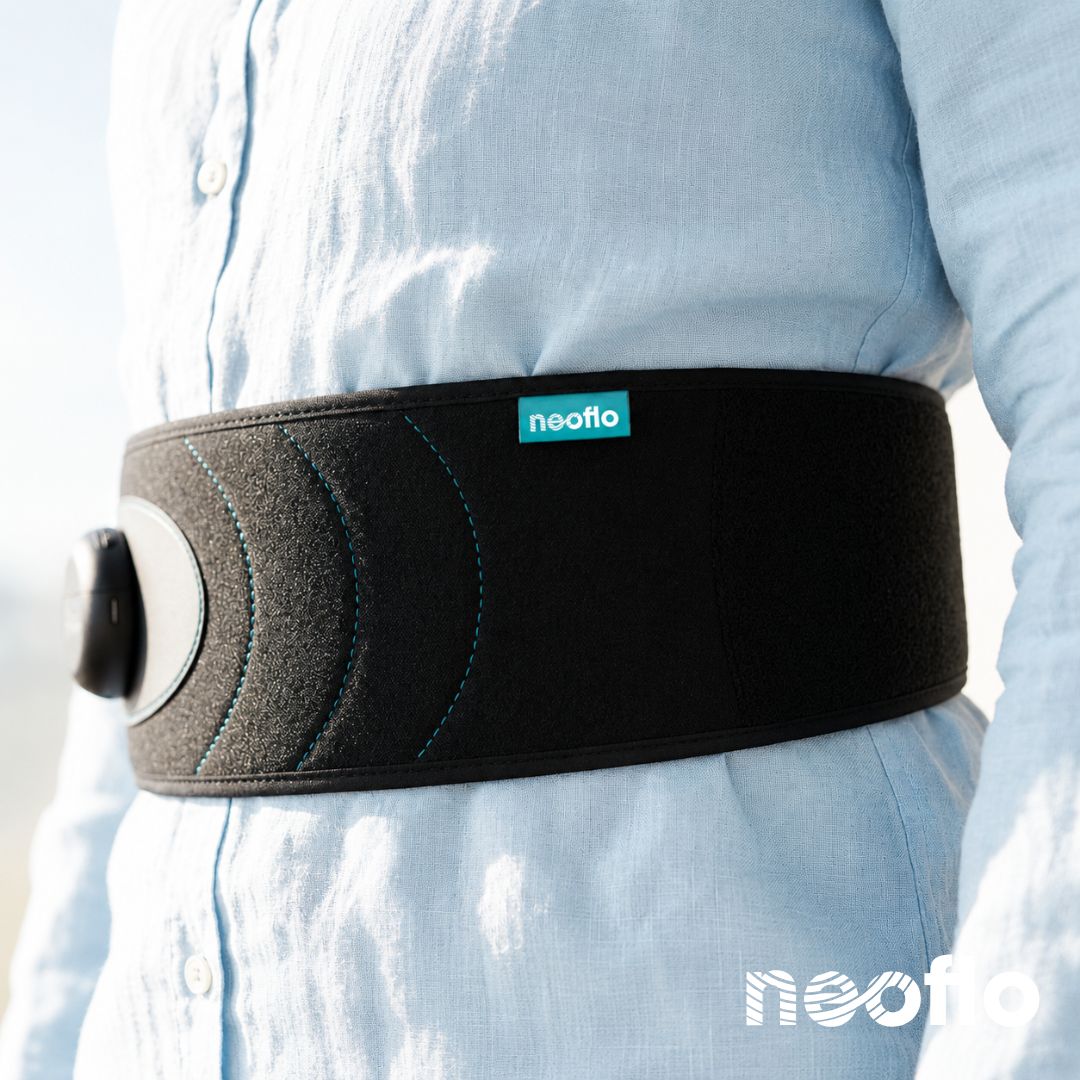
The main challenge isn’t technical—it’s cognitive: maintaining focus on your breathing rhythm for 20 minutes without losing concentration. This is where the neoflo breathing belt becomes the perfect tool. Its tactile vibrations guide you without requiring concentration, a screen, or an app. A French innovation that won an award at the 2024 Lépine Competition.

2. Adapt your practice to your physical needs
Not everyone has the same lung capacity, and that’s normal. If you feel short of breath or uncomfortable, don’t push yourself. Shorten the session or adjust the pace (for example, inhale for 4 seconds and exhale for 6 seconds instead of 5-5).
Cardiac coherence is a flexible practice that should adapt to how you’re feeling at the moment, not the other way around. Increase the duration gradually: 5 minutes the first week, 10 minutes the second, and 15–20 minutes thereafter. If you have any concerns or pre-existing medical conditions, consult your doctor before starting.

3. Avoid practicing under duress
Cardiac coherence is based on relaxation and letting go. However, by focusing too much on their breathing, many people end up with the opposite effect: mental tension, frustration, and a sense of failure. This “pressure to do it right” is one of the main reasons people give up the practice.
The solution: practice gently, without expecting perfection. Let your breathing follow a steady rhythm, without forcing any sensations.
This is precisely the benefit of the tactile guidance provided by the neoflo belt: you passively follow the vibrations, without any cognitive effort, and a sense of letting go sets in naturally within the first few minutes. The study by Bouny et al. (2023, *Sensors* journal) demonstrated that tactile guidance produces a cardiac coherence index twice as high as that achieved with visual guidance via a screen.
4. Be aware of contraindications
Although rare, certain situations require extra precautions:
- Serious respiratory conditions (severe asthma, advanced COPD): Consult your doctor before starting.
- Intense emotional distress or untreated trauma: deep breathing can bring difficult emotions to the surface; ideally, practice under the guidance of a professional (psychologist, sophrologist).
If you'd like to learn more about this topic, this video provides some helpful insight.

5. Use the best guide to practice vagus nerve deep breathing
The real “danger” of cardiac coherence isn’t in the technique itself—it lies in imprecise execution or sessions that are too short to produce a lasting effect. This is where the neoflo breathing belt changes the game.
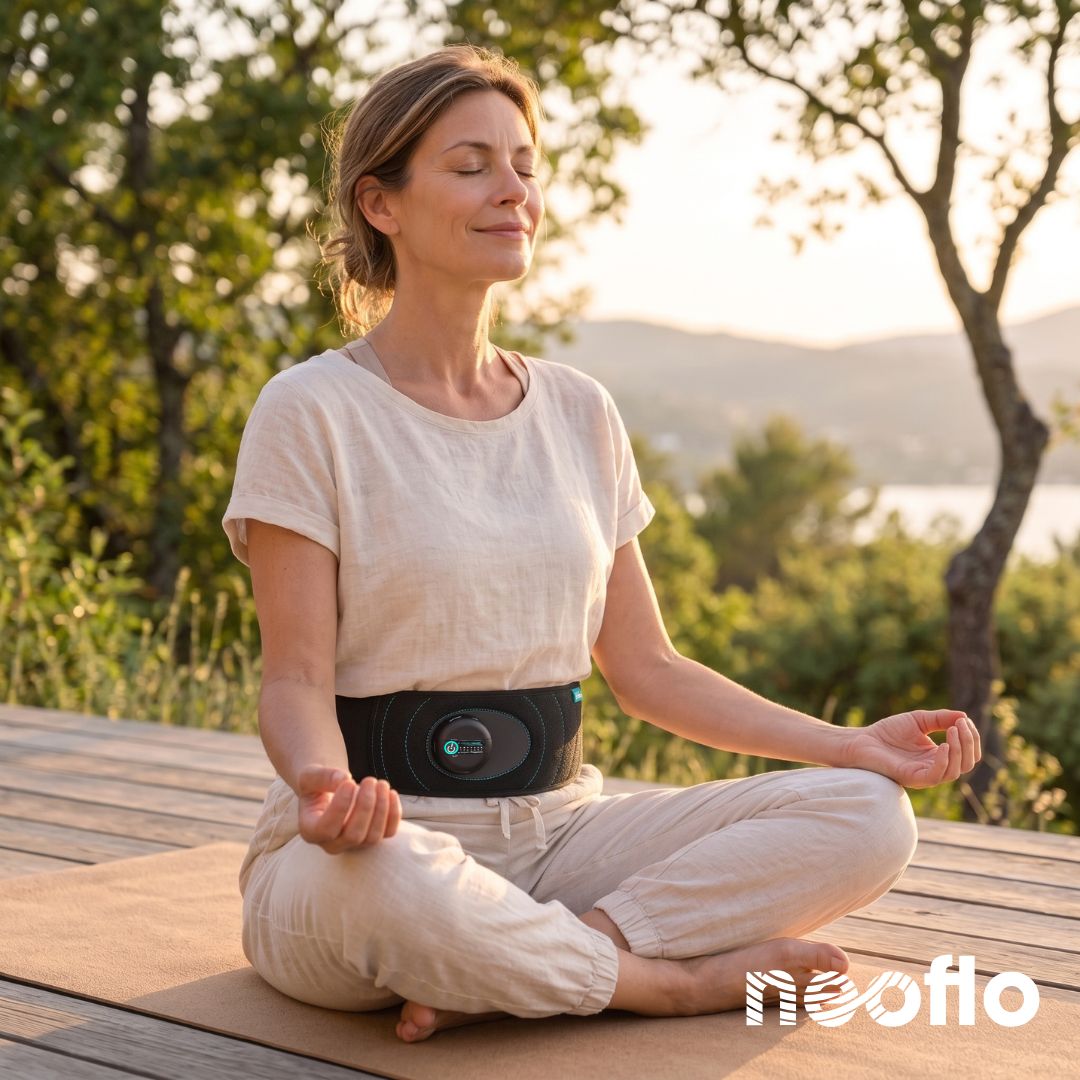
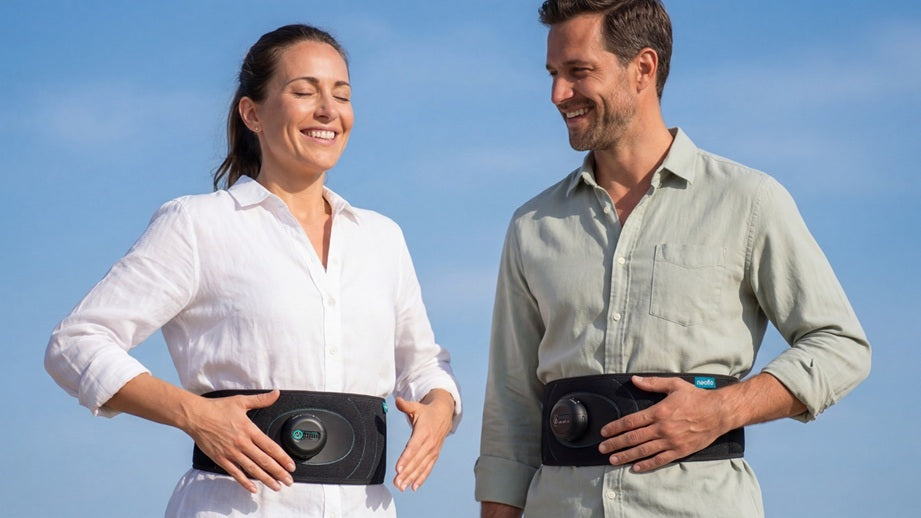
Designed by a biomedical engineer and a sleep specialist, it is the world’s first device specifically designed for vagus nerve deep breathing : 20 minutes of guided practice through touch—no screen, no app, and no mental effort required. Three vibro-tactile motors placed on your abdomen set the rhythm of your breathing at 6 cycles per minute, allowing you to close your eyes and fully enjoy the session.
Seven programs designed for every situation (morning, evening, exercise, sleep, etc.) and seven intensity levels to suit every preference. Bronze medal at the 2024 Concours Lépine.

vagus nerve deep breathing : the safe and effective method
With its many proven benefits and an almost flawless safety profile, cardiac coherence remains one of the most accessible and well-documented wellness techniques. The only real risk is practicing it so infrequently that you don’t experience any lasting benefits.

The vagus nerve deep breathing — 20 minutes a day of abdominal breathing, over 4 to 12 weeks — is the amount needed to profoundly transform the nervous system: reduced anxiety, deeper sleep, stabilized blood pressure, improved digestion, and restored concentration. This is the scientific version of cardiac coherence, as opposed to the popularized 5-minute version.
With the neoflo belt, it's easy to stick to this routine every day.
Free stress check
Is your body stuck in alert mode?
Find out how you're handling stress, and whether breathing exercises can help you take the pressure off.
Start my stress check🎁 Get an exclusive discount on neoflo
Discover the " vagus nerve deep breathing " with neoflo
20 minutes a day of touch-guided breathing. No screens, no effort. The scientifically proven practice of cardiac coherence, finally achievable in everyday life.
- ✓ 30-day "money-back guarantee" trial
- ✓ Free shipping within 48 hours
- ✓ 2-year warranty
- ✓ Designed by a biomedical engineer and a physician
- ✓ Bronze Medal, 2024 Lépine Competition
Discover the " neoflo " belt →
neoflo This is not a medical device and is not a substitute for medical advice. If symptoms persist, consult a healthcare professional.