neoflo

Neoflo in Psychologies Magazine: Our Breathing Belt in the Spotlight

Neoflo in Psychologies Magazine: Our Breathing Belt in the Spotlight

The Neoflo belt is making headlines in the press!

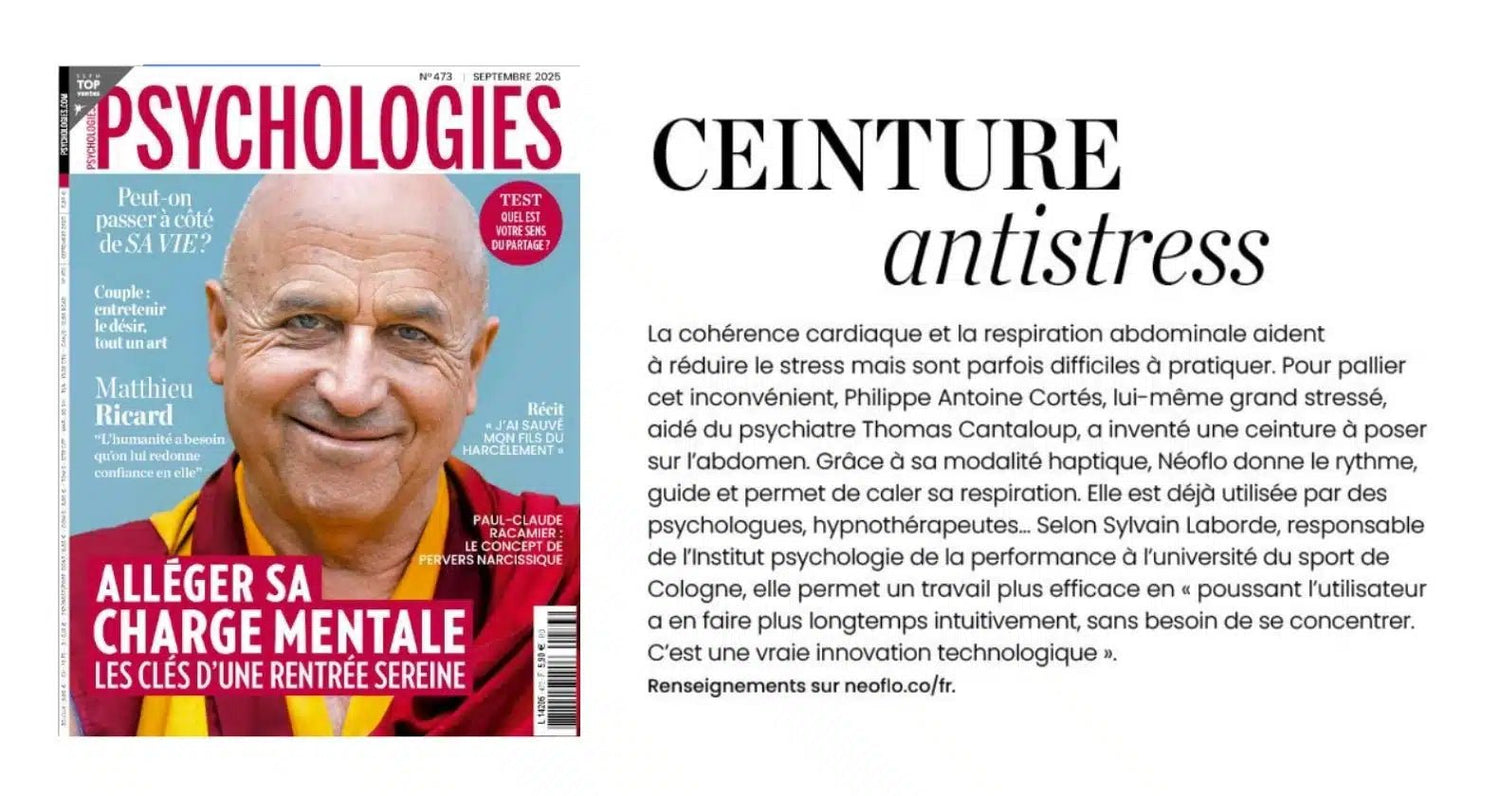
In itsSeptember 2025 issue, Psychologies magazine—a leading publication on wellness and mental health—featured a special section on the Neoflo breathing belt. Described as a true “anti-stress belt,” this French innovation is attracting the attention of psychologists, therapists, and the general public.

This publication is not just a great recognition in the media: it confirms that cardiac coherence and abdominal breathing—two scientific pillars of well-being—are now being put into practice thanks to neoflo’s haptic technology.


Why is *Psychologies* Magazine featuring neoflo?

In its back-to-school issue on stress management, Psychologies Magazine highlights the benefits of deep breathing and cardiac coherence. These techniques have been scientifically proven to regulate the nervous system, reduce stress, and improve sleep quality. But in practice, it can sometimes be difficult to stay consistent, maintain the right rhythm, and keep sessions long enough to reap the full benefits.

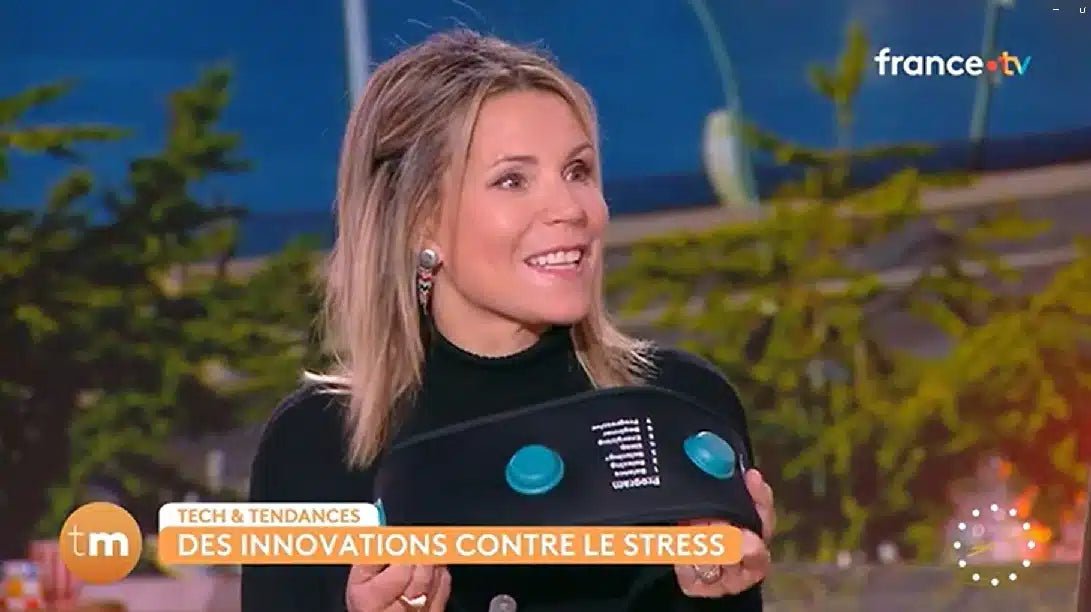
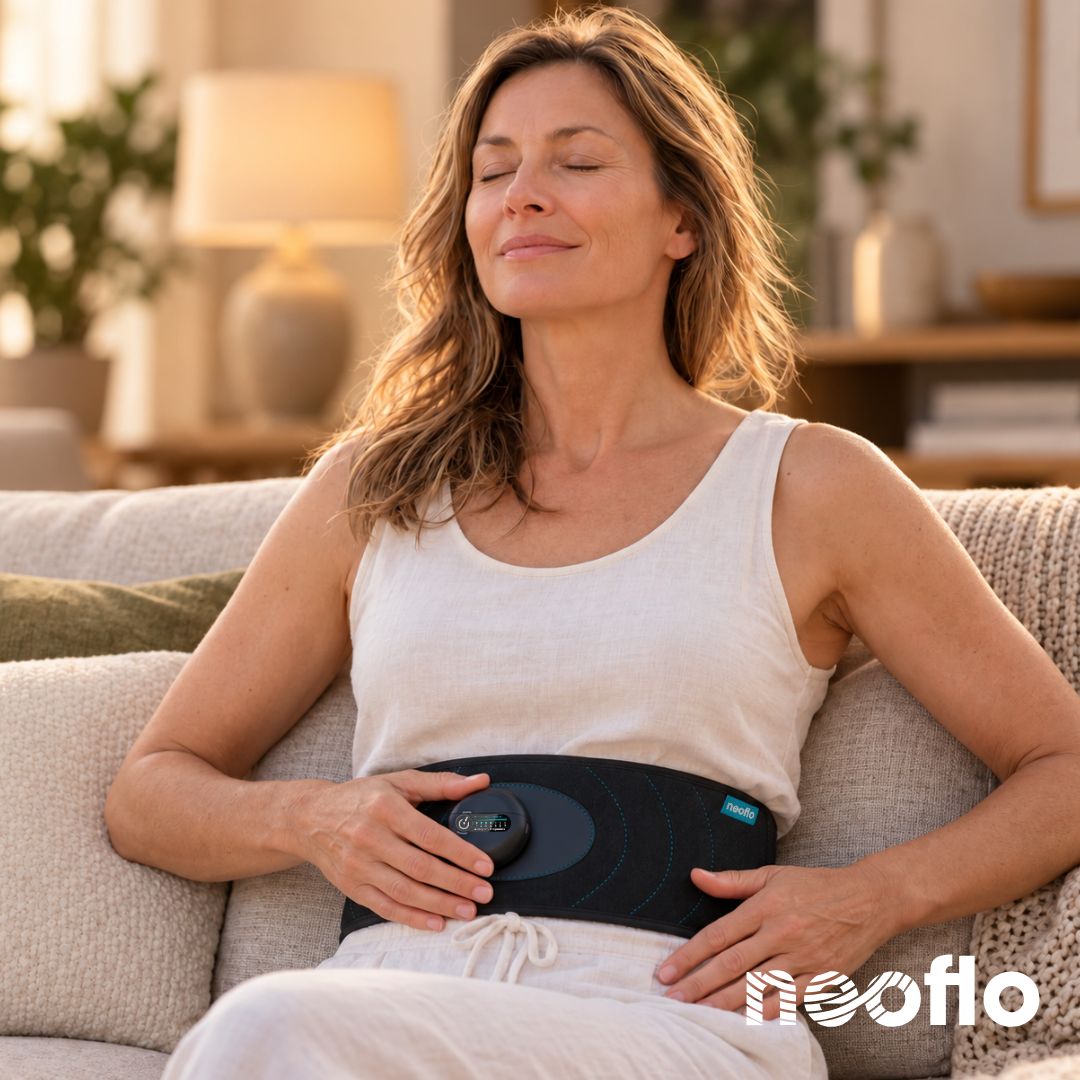
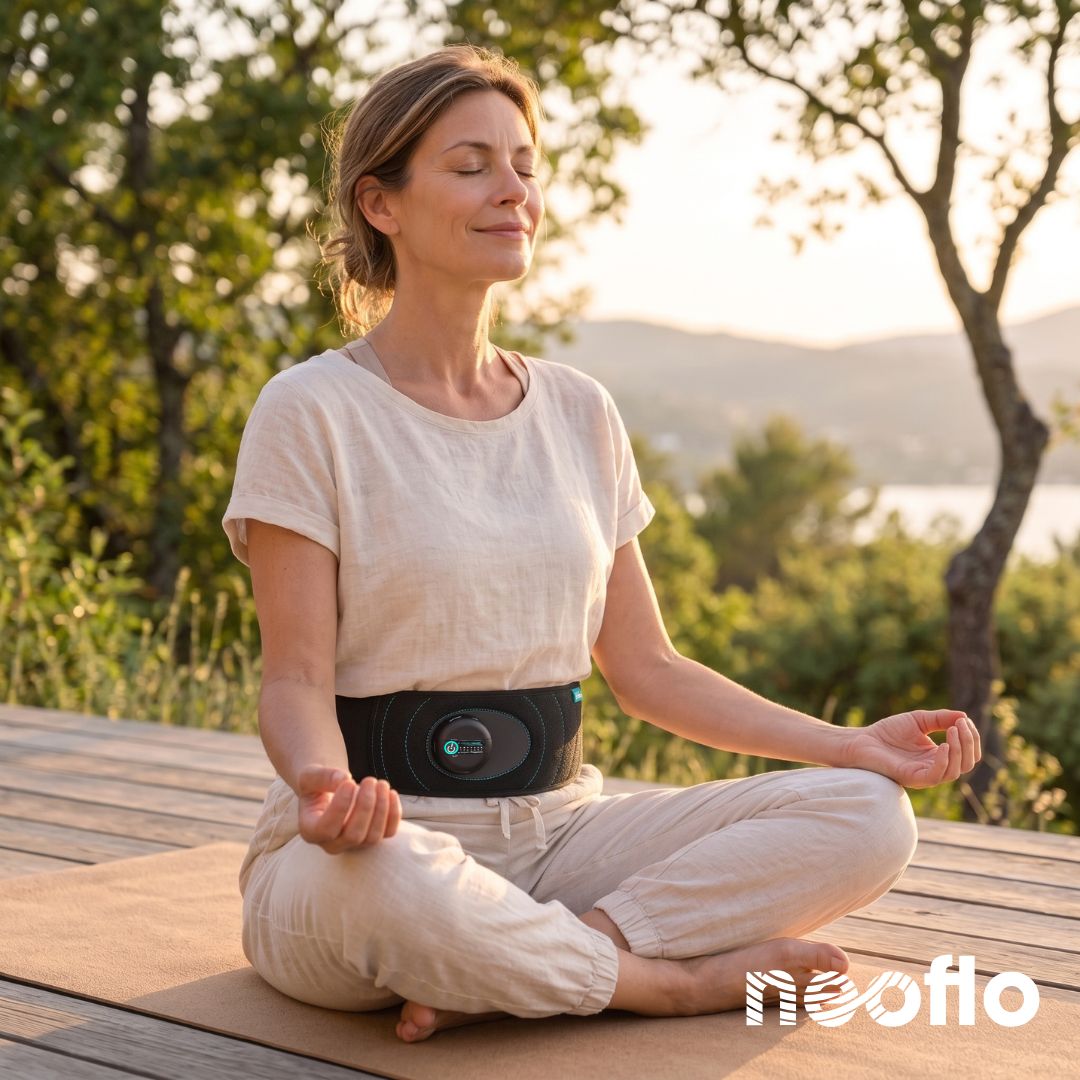
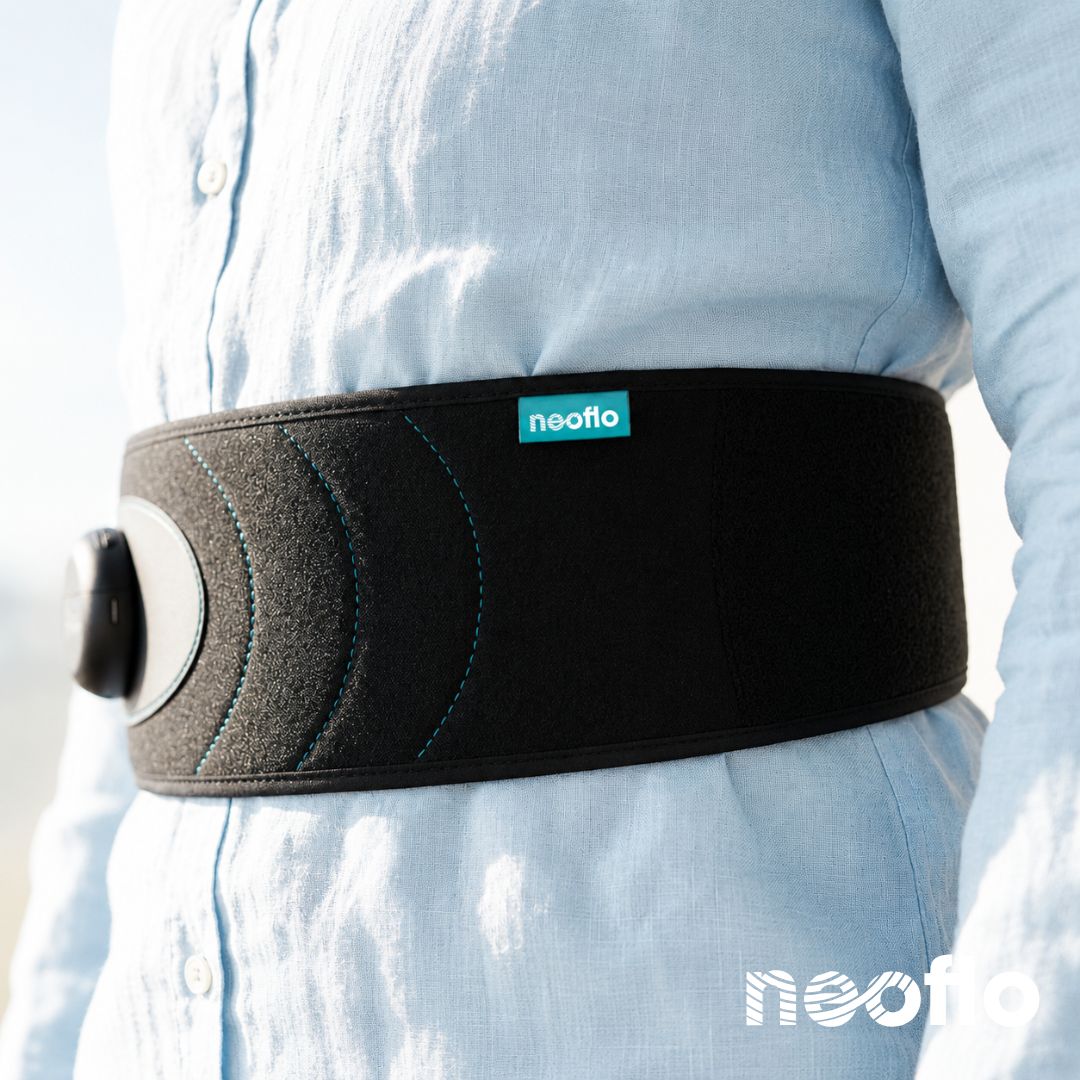
This is where neoflo breaks new ground. As the article explains, the belt uses tactile vibrations (haptic technology) to guide abdominal breathing and cardiac coherence—without a screen or app. As a result, the user intuitively follows the rhythm with their eyes closed and naturally settles into slow, deep breathing.

Free stress check

Is your body stuck in alert mode?

Find out how you're handling stress, and whether breathing exercises can help you take the pressure off.

Start my stress check

🎁 Get an exclusive discount on neoflo


Neoflo, a wellness innovation endorsed by experts

The magazine notes that the Neoflo belt has already been adopted by psychologists, hypnotherapists, and stress management coaches. According toDr. Sylvain Laborde, a neuroscience researcherat the Institute of Performance Psychology at the German Sport University Cologne, this approach facilitates long-term commitment and enables more effective breathing exercises:

“Neoflo encourages users to keep going longer, intuitively, without having to concentrate.”

This academic and professional recognition reinforces the credibility of the tool, which positions itself as a natural ally for anyone who is stressed, anxious, or seeking better sleep.

Cardiac coherence for everyone

Practicing cardiac coherence on a regular basis is one of the keys to reducing chronic stress and rebalancing the nervous system. The optimal protocol, validated by neuroscience, recommends:

  • A rate of 4-6 breaths per minute (4 seconds inhaling, 6 seconds exhaling).

  • Sessions lasting at least 15 minutes to stimulate the vagus nerve.

  • A daily practice, preferably in the evening, to improve sleep and recovery.

Thanks to Neoflo, this practice becomes much simpler: the belt sets the rhythm through vibration and promotes deep abdominal breathing—the most effective way to regain calm.

Visibility that builds trust

Being featured in Psychologies Magazine is a major milestone for neoflo. For years, the magazine has been a go-to resource for anyone interested in well-being, psychology, and natural ways to better manage stress.

For readers, this publication serves as proof of the product’s reliability and effectiveness. For healthcare professionals and therapists, it sends a strong message: neoflo is not just a gimmick, but a credible innovation grounded inthe science of breathing.


In conclusion

The feature on neoflo in Psychologies Magazine is much more than just a press article: it’s recognition of the potential of guided breathing to improve mental and physical health. By combining cardiac coherence and abdominal breathing, the neoflo belt paves the way for a new generation of accessible and effective stress-relief solutions.

📎 To learn more and discover this innovation, visit neoflo.co.

Read more

Lower cortisol naturally with cardiac coherence and abdominal breathing
Our anti-stress solution, neoflo, on France 2's "Télématin"

Free stress check

Nervous system locked in alert mode

Is your body stuck in alert mode?

1 minute to find out where you stand with stress, and whether breathing can help you take the pressure off

Free · No obligation · Instant results

A surprise awaits you at the end of the review

In the past few weeks, have you had trouble unwinding in the evening?

Do you often feel under pressure, even over small things?

Do you feel like you're always running out of time?

Do you ever feel like you're at the end of your rope, for no particular reason?

During the day, do you hold your breath, sigh often or breathe through your mouth?

Have you ever tried breathing exercises?

Slow deep breathing, meditation, apps…

For you, what would a good breathing session be, above all else…

What bothers you the most?

Your stress check is ready

Enter your email to see your results. You'll also get our breathing tips, tailored to your answers.

Your surprise comes with your results

Your answers are only used to personalize your tips. Unsubscribe in one click · Privacy

Your perceived stress level

Your stress is fairly low right now: your nervous system easily finds its balance. A great time to build a breathing habit that will help it stay that way.

Your stress is there without taking over. But your nervous system is probably in alert mode more often than you think.

Your nervous system often seems stuck in alert mode. Breathing slowly every day helps bring it back down. If this stress weighs on you over time, please also talk to a healthcare professional.

Your stress check in detail

Open each item to learn more

Your breathingRather tense Fairly calm

Holding your breath, frequent sighs, mouth breathing: these are signs of high, fast breathing, which keeps your nervous system in alert mode. Yet breathing is one of the few automatic functions you can also control: by slowing your breath, and especially by making your exhale longer, you signal to your nervous system that it can release the pressure.

Your breathing seems fairly calm day to day: that's a good foundation. The challenge is keeping this reflex in tense moments, when your breath locks up without you noticing. Regular guided practice trains your nervous system to return to calm faster.

Your Ideal SessionWith Your Eyes ClosedIn tune with your bodyOut of time

Screens keep the brain active: light, notifications, the urge to check something else. To truly unwind, the best approach is to lie down with your eyes closed, with nothing to look at. The rhythm then comes from your body, not from a screen.

Counting your breaths requires focus—precisely what’s lacking when you’re stressed. When you can physically feel the rhythm in your belly, all you have to do is go with it: your mind settles as your breathing slows.

Checking the time during a session is a sign that your mind has remained alert. A good session is one where you let yourself be carried along by a steady rhythm, without trying to control anything: the minutes pass without you counting them.

Your PrioritySleep BetterCalm your mindRelease body tensionBring the alert down

In the evening, your body needs to switch into recovery mode, but a nervous system stuck in alert mode holds back that shift. 20 minutes of slow breathing before bed, screen-free, helps you make the transition. The simplest way: a rhythm you follow with your eyes closed, without having to count.

Racing thoughts are often a sign of a nervous system stuck in alert mode. Trying to "stop thinking" doesn't work: what helps is giving your brain an anchor, a breathing rhythm to follow. Ideally, guidance you don't have to look at, so your attention stays on your breath and not on a screen.

Shoulders, jaw, belly: when your nervous system is in alert mode, your body stays ready to react and your muscles stay tense, often without you noticing. Slow, deep belly breathing helps it leave this mode and lets your muscles relax. Practised 20 minutes a day, it becomes a moment when your body learns to let go.

Sleep, mind, tension: it's often the same nervous system, stuck in alert mode, showing up in three ways. Rather than tackling each issue separately, it's better to address the root: slow, steady breathing helps it leave alert mode.

Try it nowThe 10-Second Test

Place one hand on your chest and the other on your belly, and breathe normally for a few moments. If it's mostly the top hand that moves, your breathing is rather high, typical of a body under tension. The goal: for the hand on your belly to rise, slowly.

Your surprise: an exclusive discount to try neoflo

Good news: you haven't tried the simplest lever yet. Slow breathing helps your nervous system leave alert mode, and you don't need any technique: just let yourself be guided.

If you stopped, it's not a lack of willpower. Counting, following an app, staying focused: that's exactly what's hard when you're stressed. The solution is to not have to think about it anymore.

You already practise, that's a real plus. With vibration guidance, no screen and no counting: your sessions become easier to keep up, day after day.

Let neoflo guide your breath

CHF 179

  • Gentle vibrations guide you
  • Eyes closed, nothing to count
  • 20 min. No screen. No effort.
Try neoflo with my discount

Code RESPIRE20 applied automatically
30-day trial · Free returns