
Sleep

A good night's sleep takes some preparation!
neoflo Is this right for me?
neoflo 's breathing belt is your best friend if you:
- are tired but have trouble falling asleep
- you go to bed exhausted, with a body that won't "give up"
- feel restless at bedtime
- you wake up at night feeling tense
- try to create a real bedtime ritual

Why " neoflo "?
Sleep begins before falling asleep
Sleeping is not a mental decision. It is a change in physiological state.
When the body remains in active mode:
- breathing remains high
- the internal pace is too fast
- the brain does not receive the "night" signal
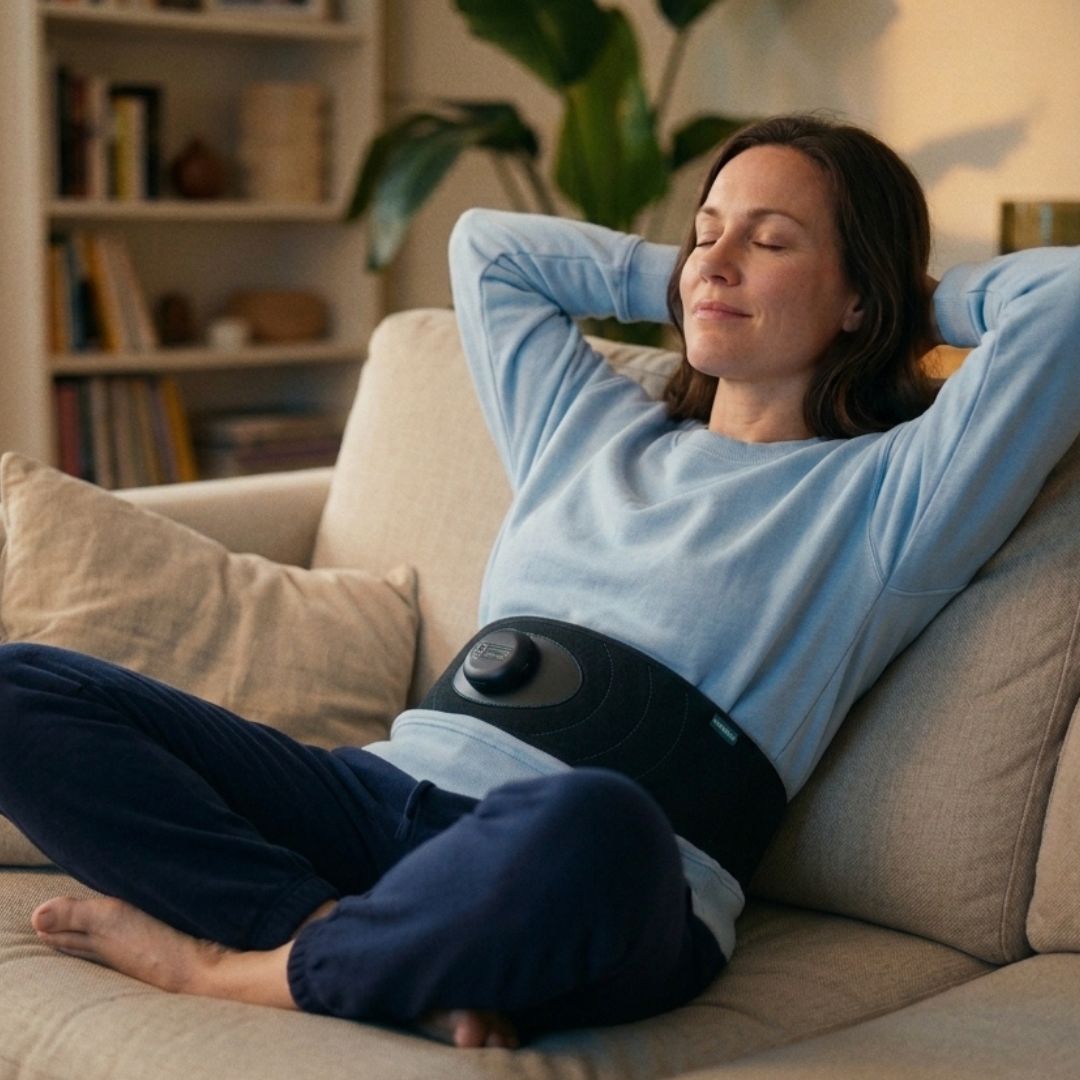
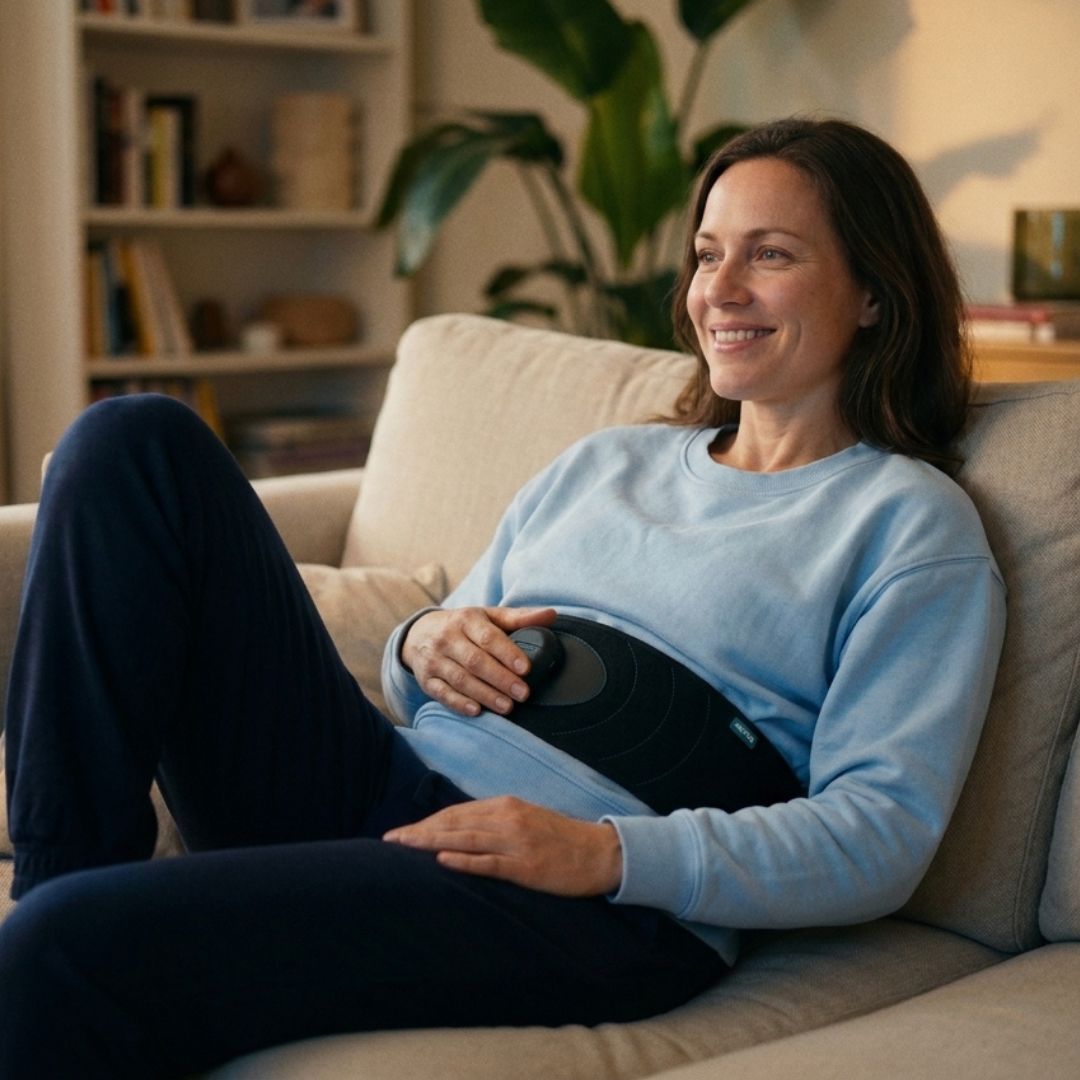
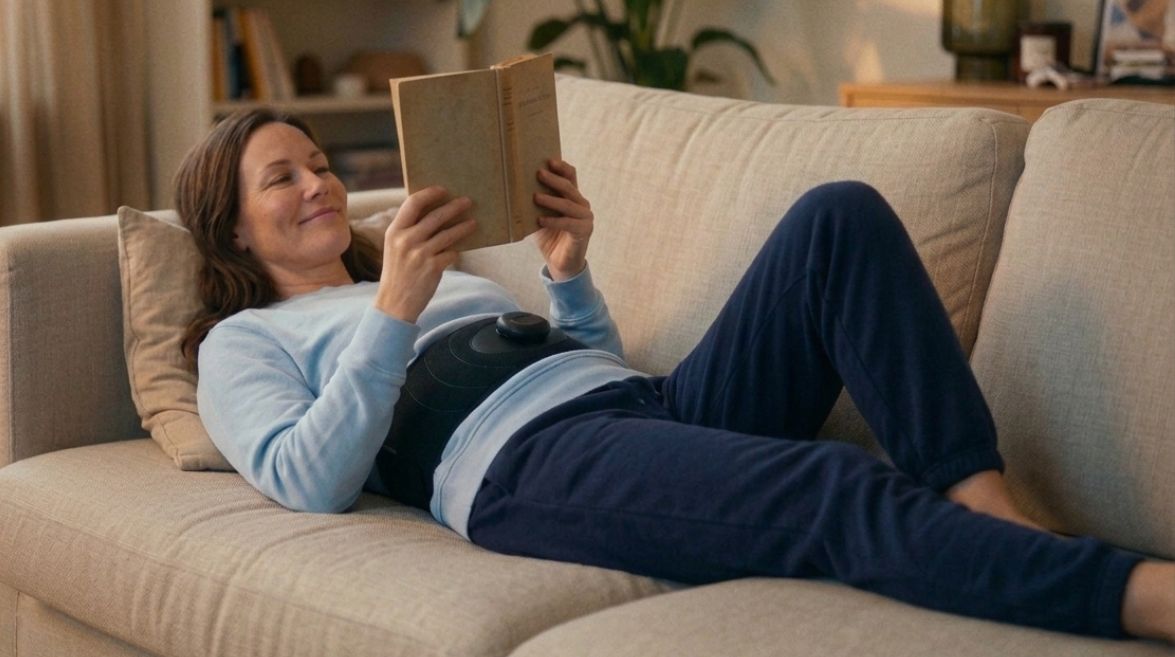
neoflo 's unique tactile guidance system allows you to:
- to slow down naturally without effort
- to breathe into your belly
- establish a regular rhythm conducive to falling asleep
Slow movement acts as a physical transition between wakefulness and sleep.
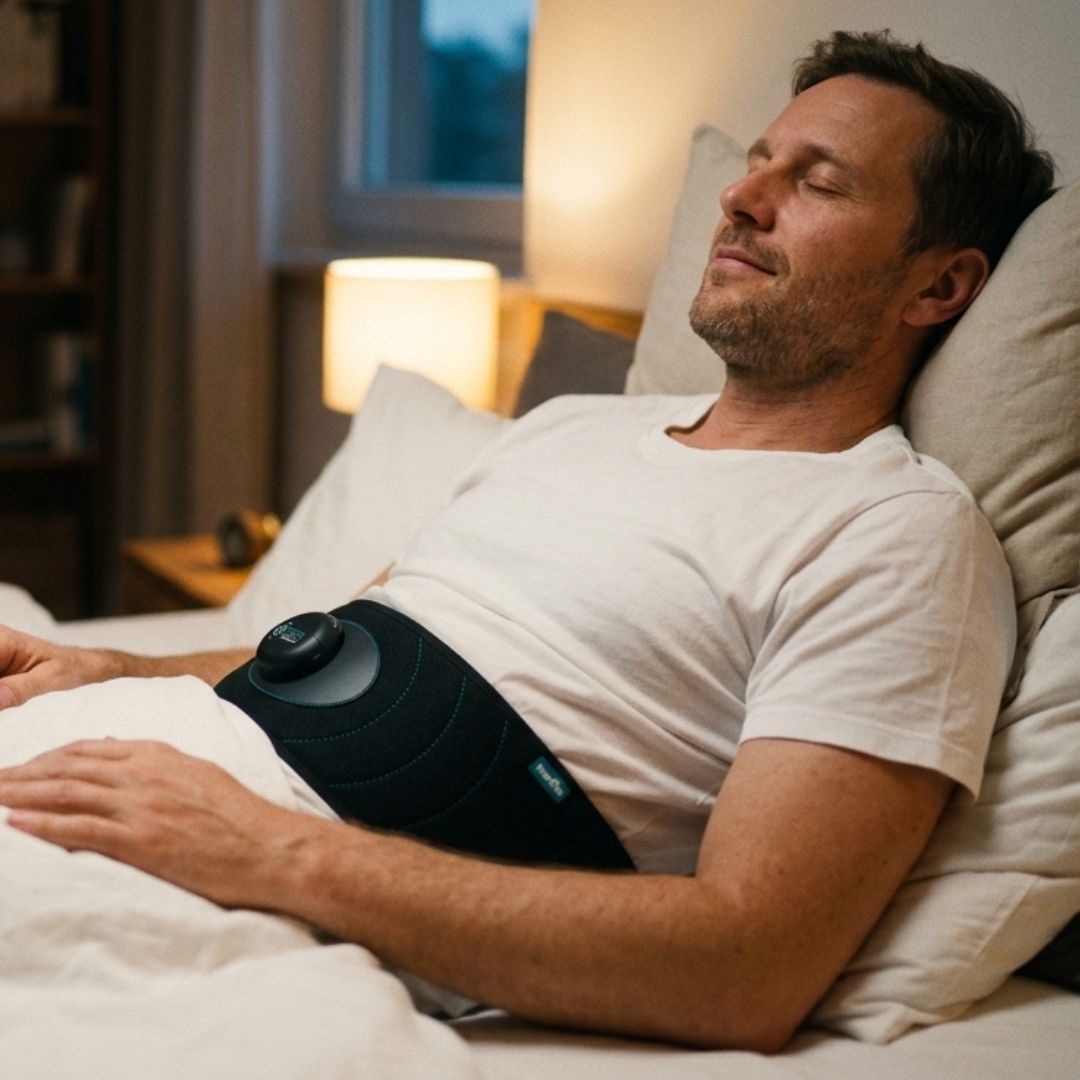
The benefits of sleep
80% of our users report:
- Falling asleep more easily
- A decrease in restlessness at bedtime
- Fewer wake-ups related to blood pressure
- A feeling of letting go physically
- Deeper, more restful sleep
The benefits of sleep
80% of our users report:
- Falling asleep more easily
- A decrease in restlessness at bedtime
- Fewer wake-ups related to blood pressure
- A feeling of letting go physically
- Deeper, more restful sleep
Ready to enjoy a good night's sleep again?
Get started tonight

"This belt saved me from daily anxiety attacks"

"I slept for 7 hours straight the very first time I used it"

"I feel like I'm living again"

Try neoflo risk-free for 30 days
Experience a more peaceful life and better sleep. Enjoy the benefits of neoflo , or return it easily at no cost.
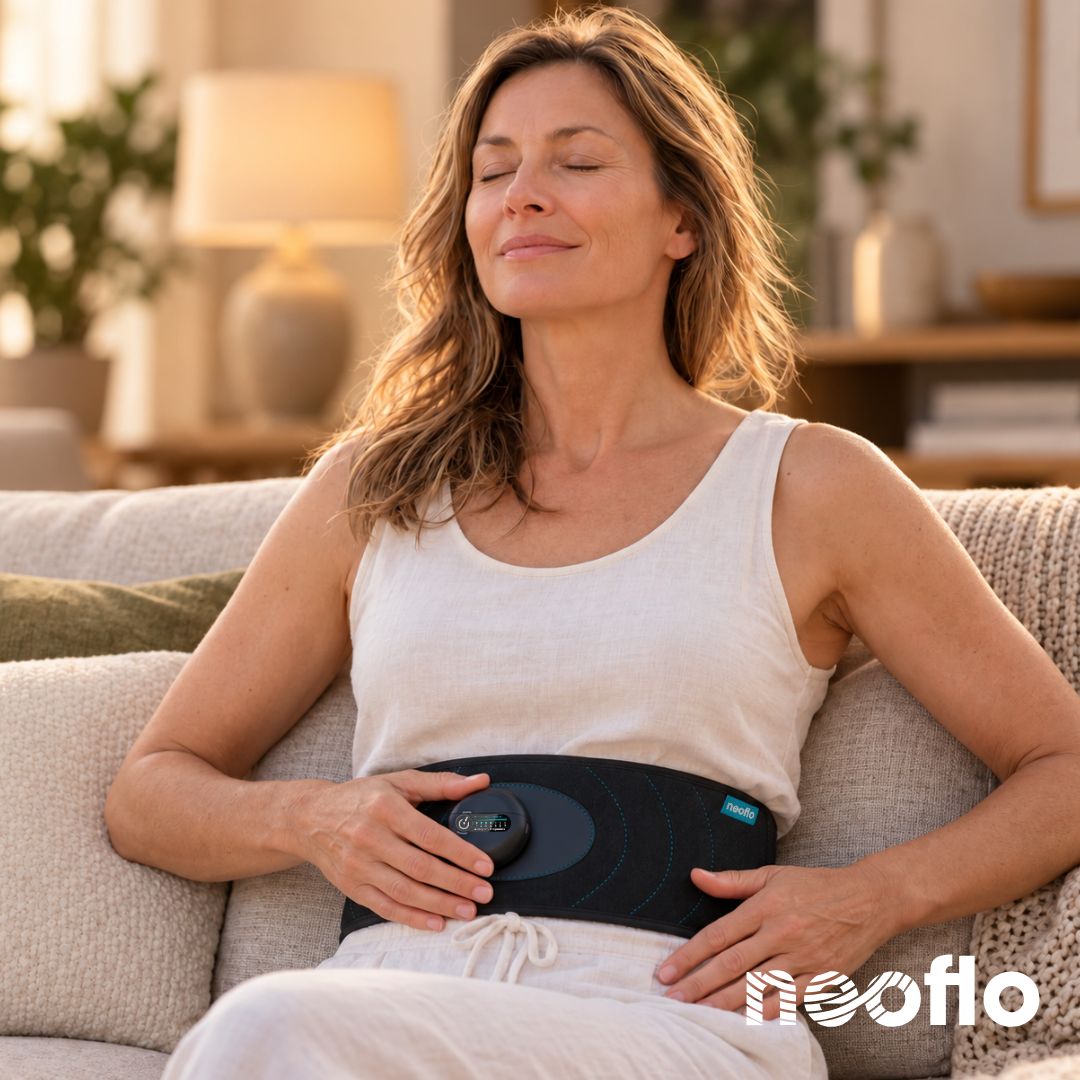


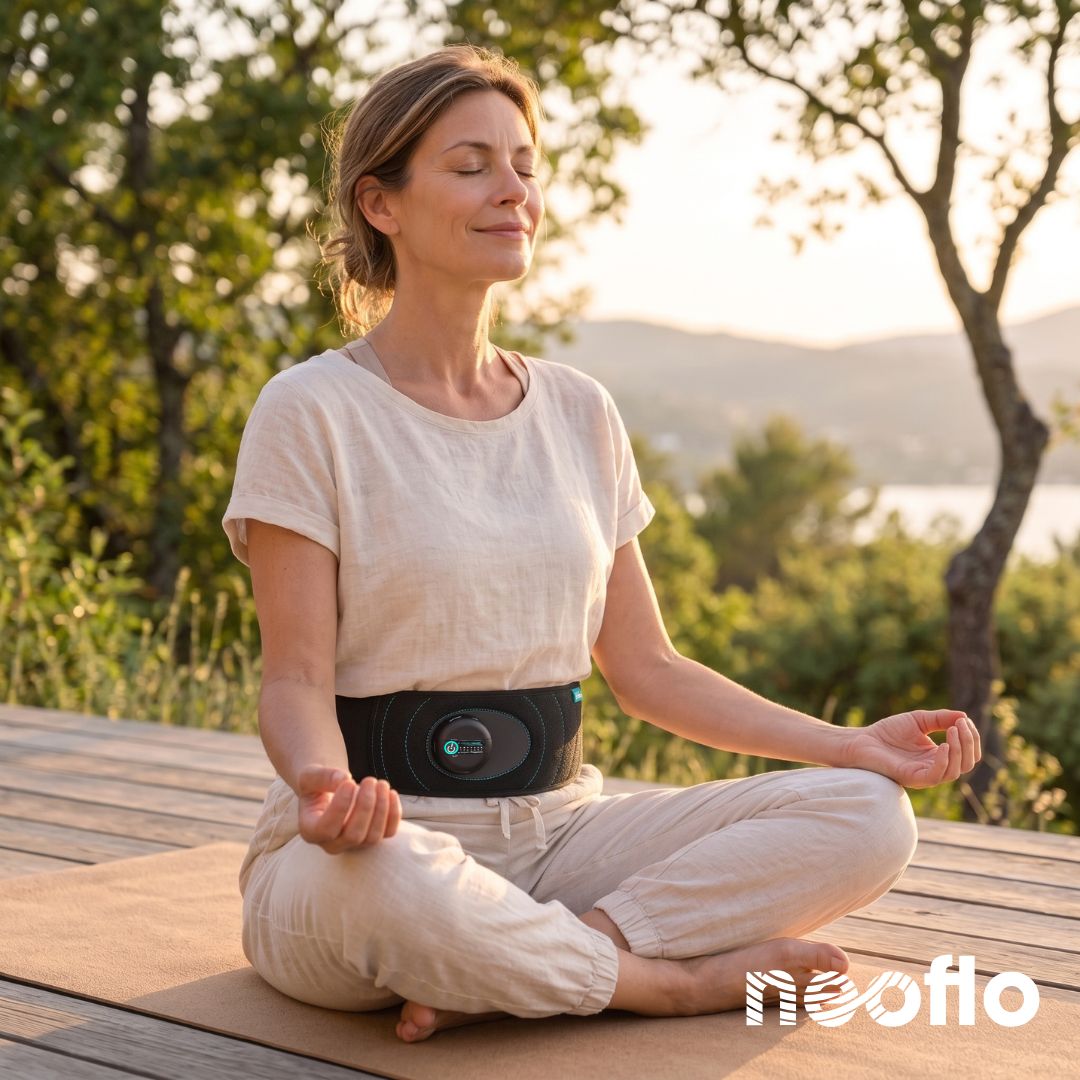

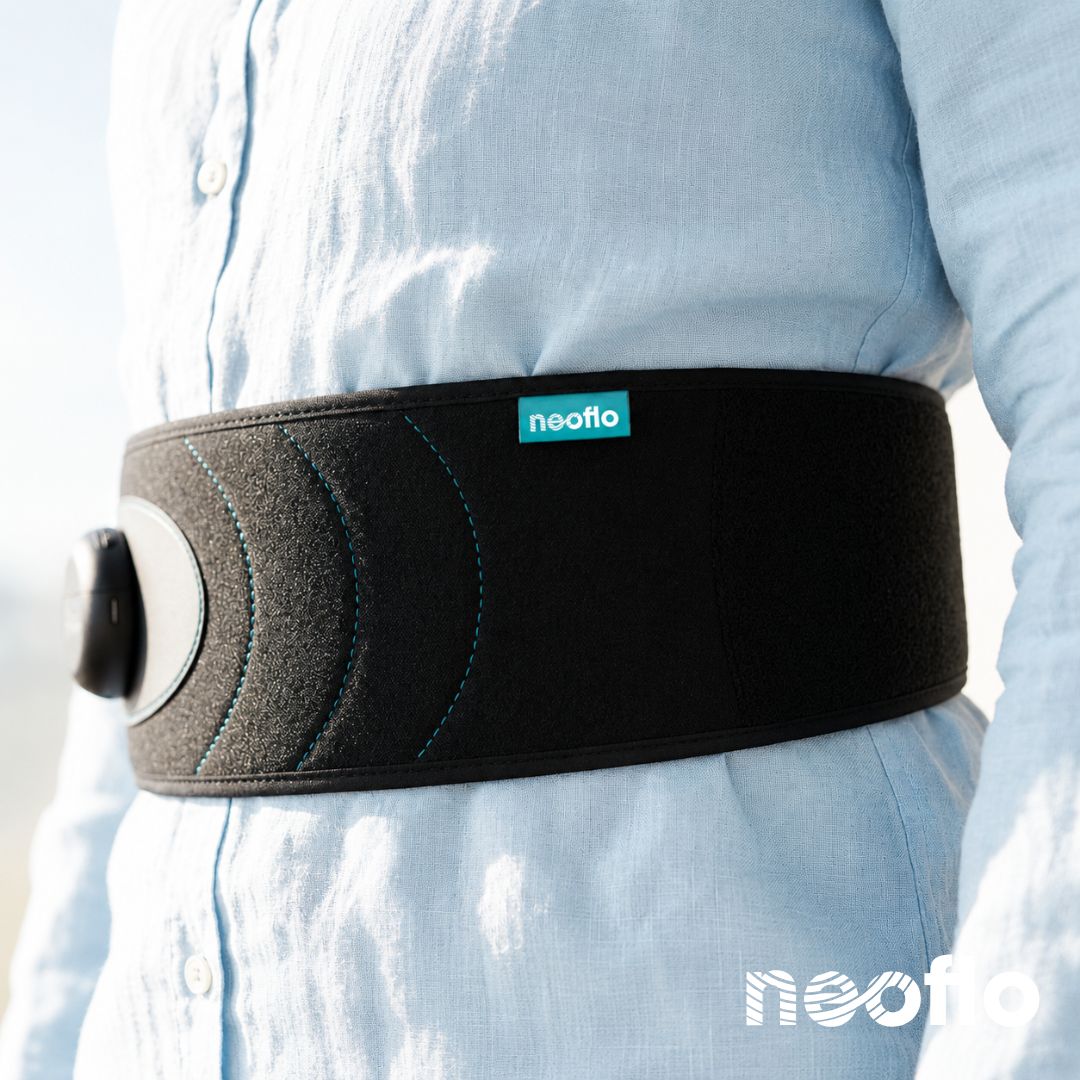

Stop letting stress get the better of you. Calm your nervous system.
Vagus Nerve Deep Breathing™ and abdominal breathing guided by touch. 20 minutes. No screen. No effort.
If you're looking to reduce stress, improve your sleep, relieve stress-related pain or digestive issues, recover more effectively, or simply regain control of your nervous system, the neoflo belt is for you.
More than a belt. Your at-home breathing coach.
- 1 breathing belt
- 1-hour online breathing course
- 2 guided 8-week programs

Free with your purchase
Optimize your practice with Dr. Thomas Cantaloup, a physician specializing in sleep and mental health.
- 1-hour online breathing course
- 2 support programs
- Learn the basics of breathing and Vagus Nerve Deep Breathing
- Get the most out of your belt
Choose between two 8-week courses with weekly follow-ups to guide you in your discovery of breathing:
- a breathing fitness program
- an advanced course for optimal performance
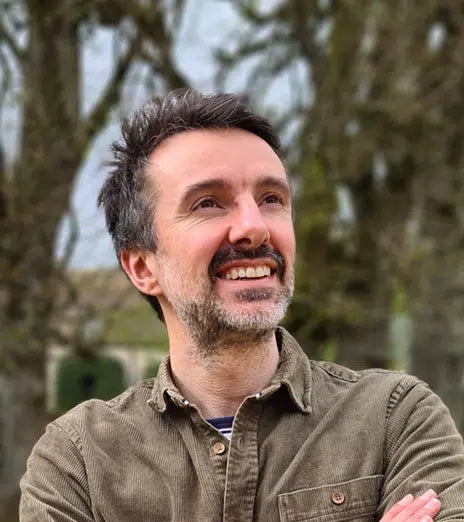
Philippe, inventor and founder of neoflo
Cardiac Coherence and Sleep
Cardiac Coherence and Sleep
Cardiac coherence for sleepis a natural method for improving the quality of sleep and reducingstress- and sleep-related disorders. By synchronizing breathing with the heart rate, this technique promotes a state of deep relaxation, which is essential for combatinganxiety and sleep problems, as well asdepression and sleep issues. Tools such as thebreathing beltfrom neoflo support this practice by guiding screen-free sessions lasting 20 minutes—the ideal amount of time to prepare the body for a restful night’s sleep.
The benefits of 20 minutes ofcardiac coherence for sleepextend beyond simple relaxation. It addresses symptoms such as difficulty falling asleep, waking up during the night, a feelingof suffocation while sleeping, orhyperventilation—symptoms often linked to accumulated stress. By regulating the autonomic nervous system, this approach also helps managenervous tension, a key factor in preventing nighttime awakenings. For those looking toimprove their sleep, incorporating this practice into an evening routine can make all the difference.
How cardiac coherence affects sleep
Cardiac coherence for sleepworks by balancing the sympathetic nervous system (responsible for wakefulness) and the parasympathetic nervous system (associated with relaxation). A 20-minute session before bedtime is often enough to reduce the effects of stress onsleep by lowering levels of cortisol, the stress hormone. People sufferingfromanxiety orinsomnianotice a decrease in intrusive thoughts, making it easier to fall asleep.
To optimize results, it is recommended to use acardiac coherence devicesuch as the neoflo breathing belt, which guides breathing through haptic vibrations. This method helps you focus onletting go and sleepingwithout distractions, which is especially beneficial for those who struggle torecover while sleeping. Studies show that regular practice in 20-minute sessions improves heart rate variability, a key indicator of the ability to managesleep and anxiety.
Tips for Incorporating Cardiac Coherence into Your Evening Routine
Incorporatingcardiac coherence for sleepinto your nightly routine does not require any special skills. Although the 365 method—which involves breathing three times a day, six times per minute for five minutes—is the most popular, it is often not enough to effectively and sustainably combatinsomnia and sleep problems. Studies have shown that a 20-minute session of cardiac coherence is more effective than a short 5-minute session at stimulating the vagus nerve and creating a state of deep calm conducive to falling asleep. For beginners, the neoflo breathing beltoffers easy and precise guidance thanks to its touch-sensitive technology, making it ideal for avoiding rhythm errors and practicing 20-minute cardiac coherence sessions without straining to concentrate.
For people sufferingfrom sleep problemsand depression, this practice can be combined with other methods such as meditation or visualization. The goal is to establish an evening ritual that signals to the body that it is time to prepare for sleep. Users of the belt report a reduction in symptoms related tohigh blood pressure and insomnia, as well as an improved ability toenhance sleep qualityover the long term.
FAQ on Cardiac Coherence and Sleep
What is cardiac coherence for sleep, and how does it work?
Cardiac coherence for sleepis a breathing technique that synchronizes the heart rate and breathing to induce a state of relaxation. Practicing a 20-minute session of cardiac coherence before bedtime reduces the activity of the sympathetic nervous system—which is responsible for stress—and activates the parasympathetic nervous system, thereby promoting sleep. Tools such as thecardiac coherence beltfrom neoflo facilitate this practice by guiding breathing without a screen, using patented vibro-tactile technology.
Can cardiac coherence help with insomnia and restless sleep?
Yes,cardiac coherence for sleepis particularly effective againstinsomnia andrestlesssleep. By regulating the heart rate, it reduces intrusive thoughts and physical tension, two major causes of difficulty falling asleep. Users often notice an improvement within the first few nights of regular practice, especially when combined with a structured evening routine.
How long does it take to see results in terms of sleep after practicing cardiac coherence?
The initial effects ofcardiac coherence on sleepcan be felt as early as the first few sessions, particularly a sense of immediate calm. However, for lasting results regarding conditions such asanxiety and sleepordepression and sleep, daily practice for 15 to 40 minutes over at least 3 to 4 weeks is recommended. The regularity and duration of the sessions are key to reprogramming the nervous system and improving sleep quality.
Can cardiac coherence be used to manage high blood pressure and sleep?
Cardiac coherence for sleephas a positive impact onhigh blood pressure and sleepby reducing stress, a factor that exacerbates high blood pressure. By lowering cortisol levels and improving heart rate variability, this technique helps stabilize blood pressure. For optimal results, it can be combined with other healthy habits such as a balanced diet and moderate physical activity.
When is the best time to practice cardiac coherence before bed?
The best time to do a 20-minutecardiac coherencesessionfor sleepis about 30 to 60 minutes before bedtime. This allows the body to gradually prepare for sleep by reducing the effectsof stress and anxiety. A session can also be done in bed for those who have troubleletting go and falling asleep. The key is to avoid screens and stimulating activities before the session to maximize its benefits.