

When your mind races, return to your body.
neoflo Is this right for me?
neoflo 's breathing belt is your best friend if you:
- feel diffuse or chronic anxiety
- are often hyper-controlling or overanalyzing
- have difficulty calming your body despite mental techniques
- Look for a natural, physical, and non-invasive solution

Why " neoflo "?
When anxiety strikes, it becomes hard to breathe
When feeling anxious, the mind is often too active to focus on one's breathing.
neoflo 's unique tactile guidance system allows you to:
- to breathe without thinking
- to break free from mind control
- to anchor breathing directly in the body
The gentle, rhythmic movement acts as a reassuring guide that is easy to follow, even when anxiety has already set in.
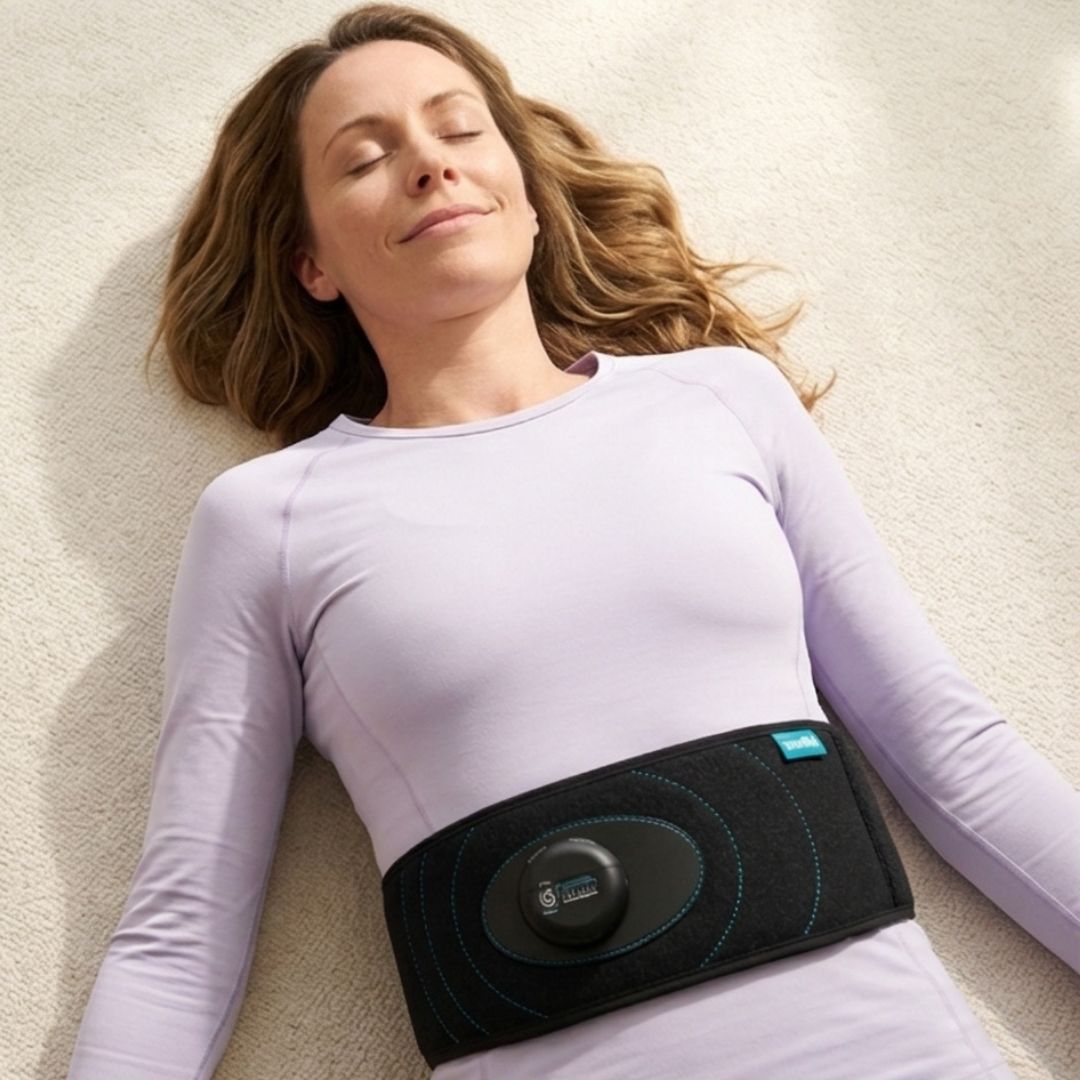
Benefits for anxiety
What " neoflo " Actually Changes
- Decrease in hypervigilance
- Reduction in feelings of tightness and tension
- Calming rumination
- Feeling of regained control
- Better ability to cope with anxiety attacks
It is not thoughts that we fight, but the physiological state that feeds them.
Benefits for anxiety
What " neoflo " Actually Changes
- Decrease in hypervigilance
- Reduction in feelings of tightness and tension
- Calming rumination
- Feeling of regained control
- Better ability to cope with anxiety attacks
It is not thoughts that we fight, but the physiological state that feeds them.
Ready to breathe new life ?
Get started today

"This belt saved me from daily anxiety attacks"

"I slept for 7 hours straight the very first time I used it"

"I feel like I'm living again"

Try neoflo risk-free for 30 days
Experience a more peaceful life and better sleep. Enjoy the benefits of neoflo , or return it easily at no cost.
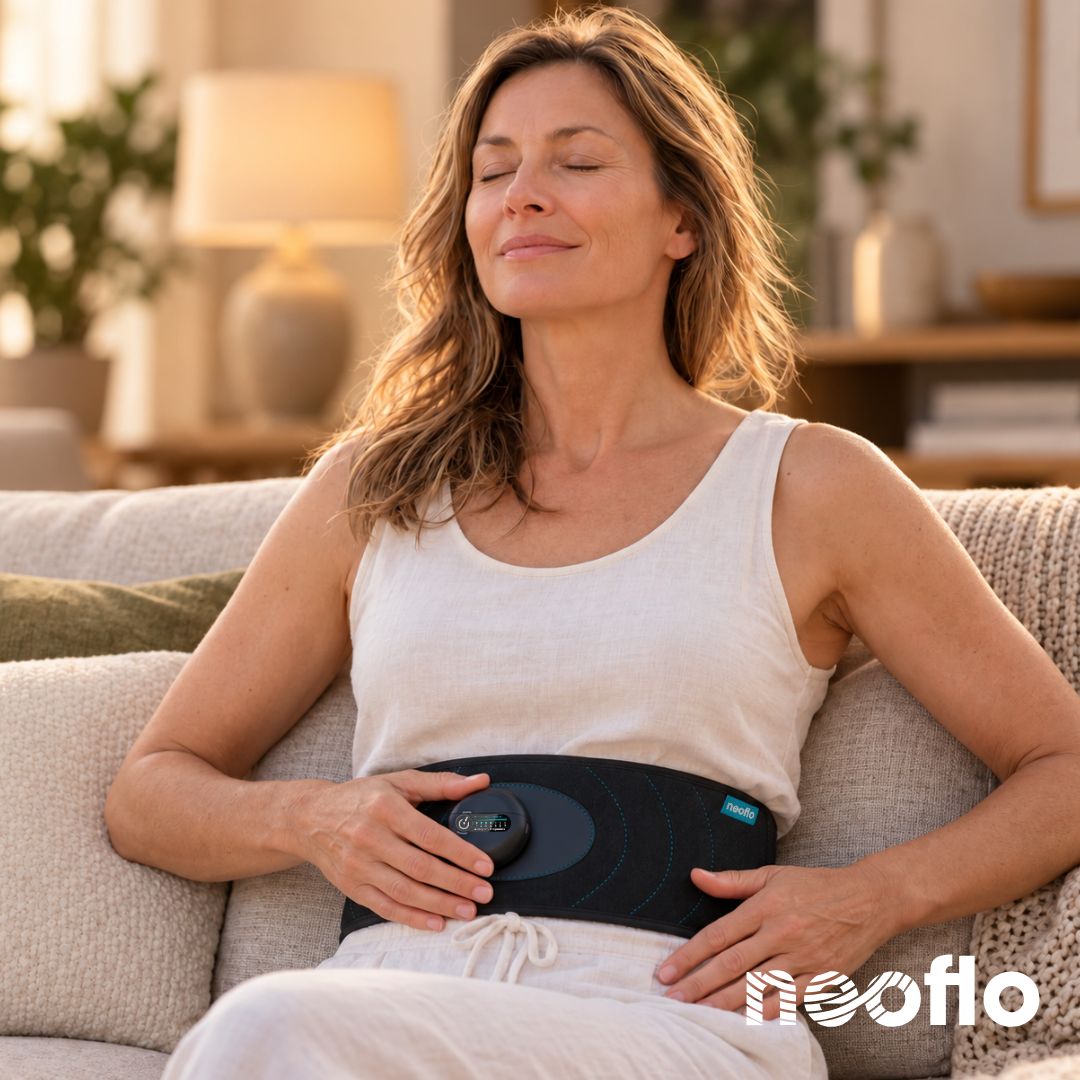


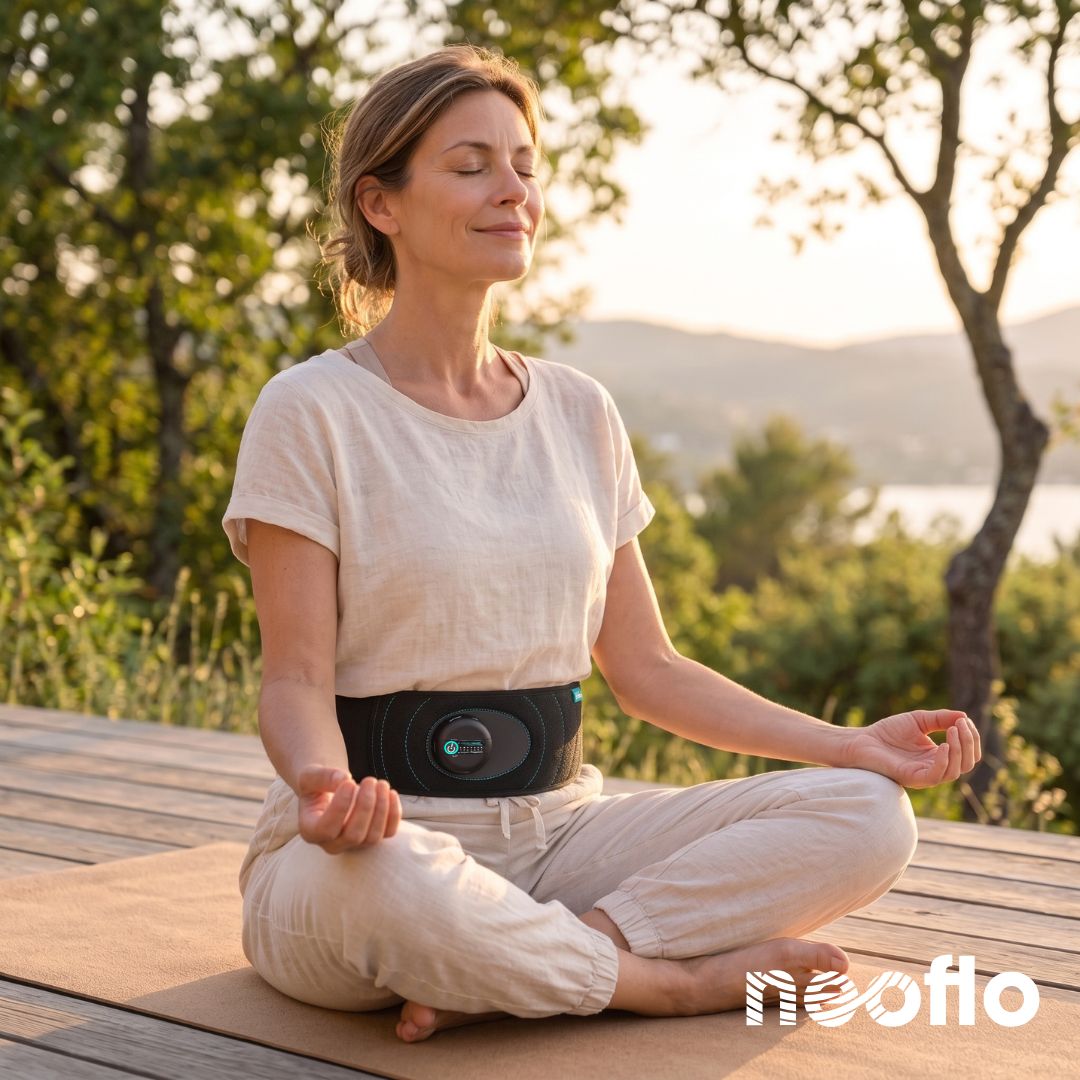

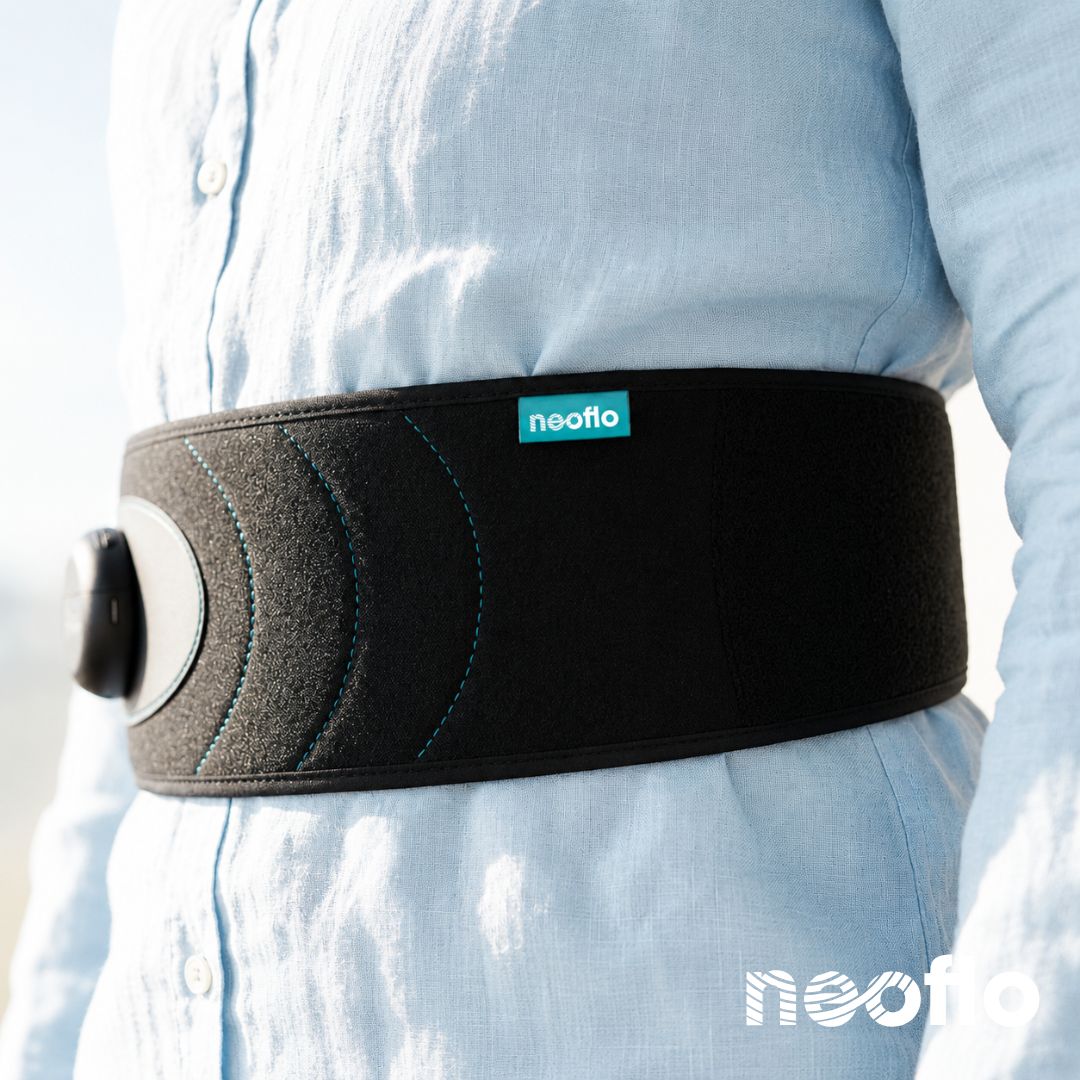

Stop letting stress get the better of you. Calm your nervous system.
Vagus Nerve Deep Breathing™ and abdominal breathing guided by touch. 20 minutes. No screen. No effort.
If you're looking to reduce stress, improve your sleep, relieve stress-related pain or digestive issues, recover more effectively, or simply regain control of your nervous system, the neoflo belt is for you.
More than a belt. Your at-home breathing coach.
- 1 breathing belt
- 1-hour online breathing course
- 2 guided 8-week programs
Included with your purchase
Optimize your practice with Dr. Thomas Cantaloup, a physician specializing in sleep and mental health.
- 1-hour online breathing course
- 2 support programs
- Learn the basics of breathing and Vagus Nerve Deep Breathing
- Get the most out of your belt
Choose between two 8-week courses with weekly follow-ups to guide you in your discovery of breathing:
- a breathing fitness program
- an advanced course for optimal performance
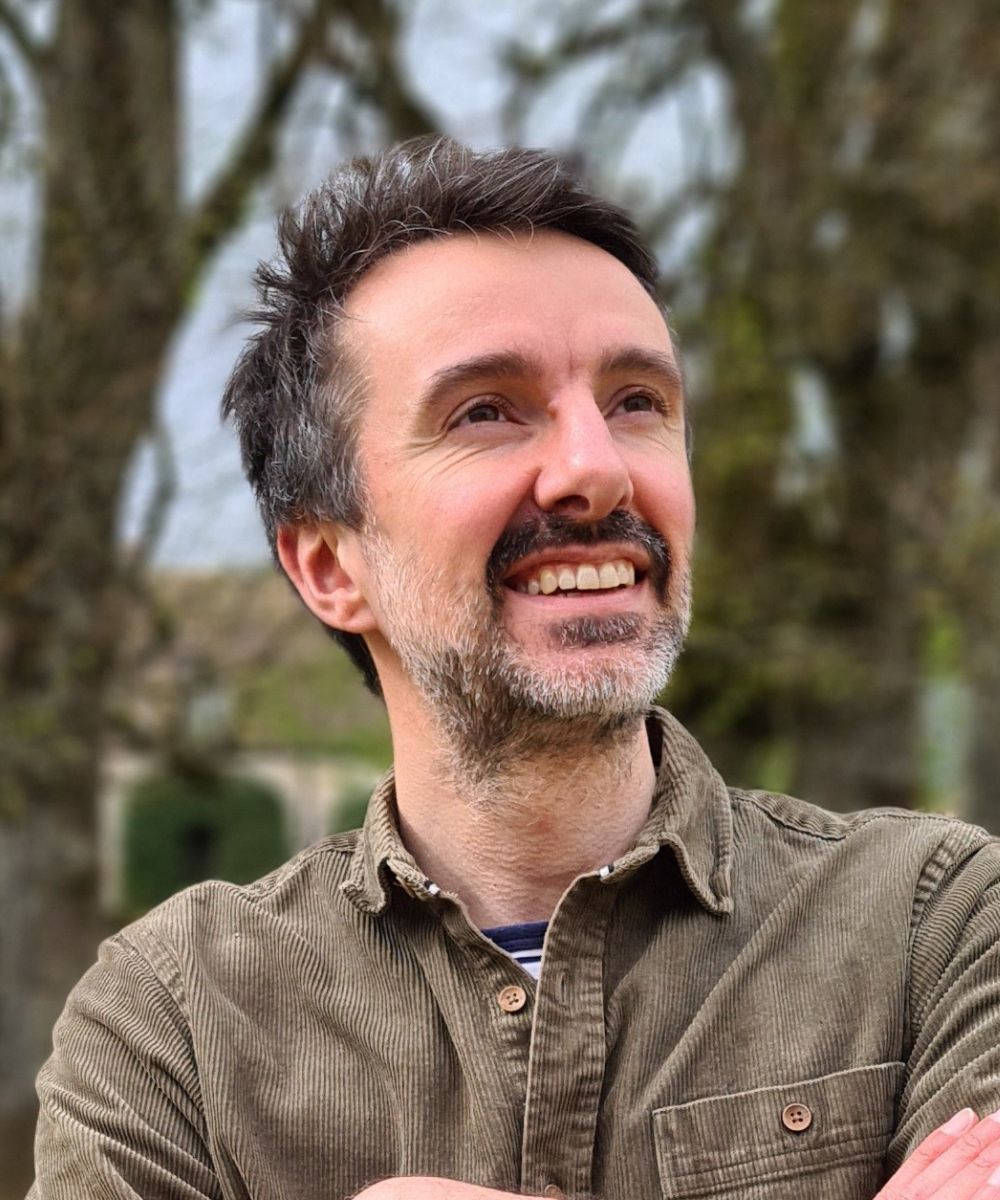
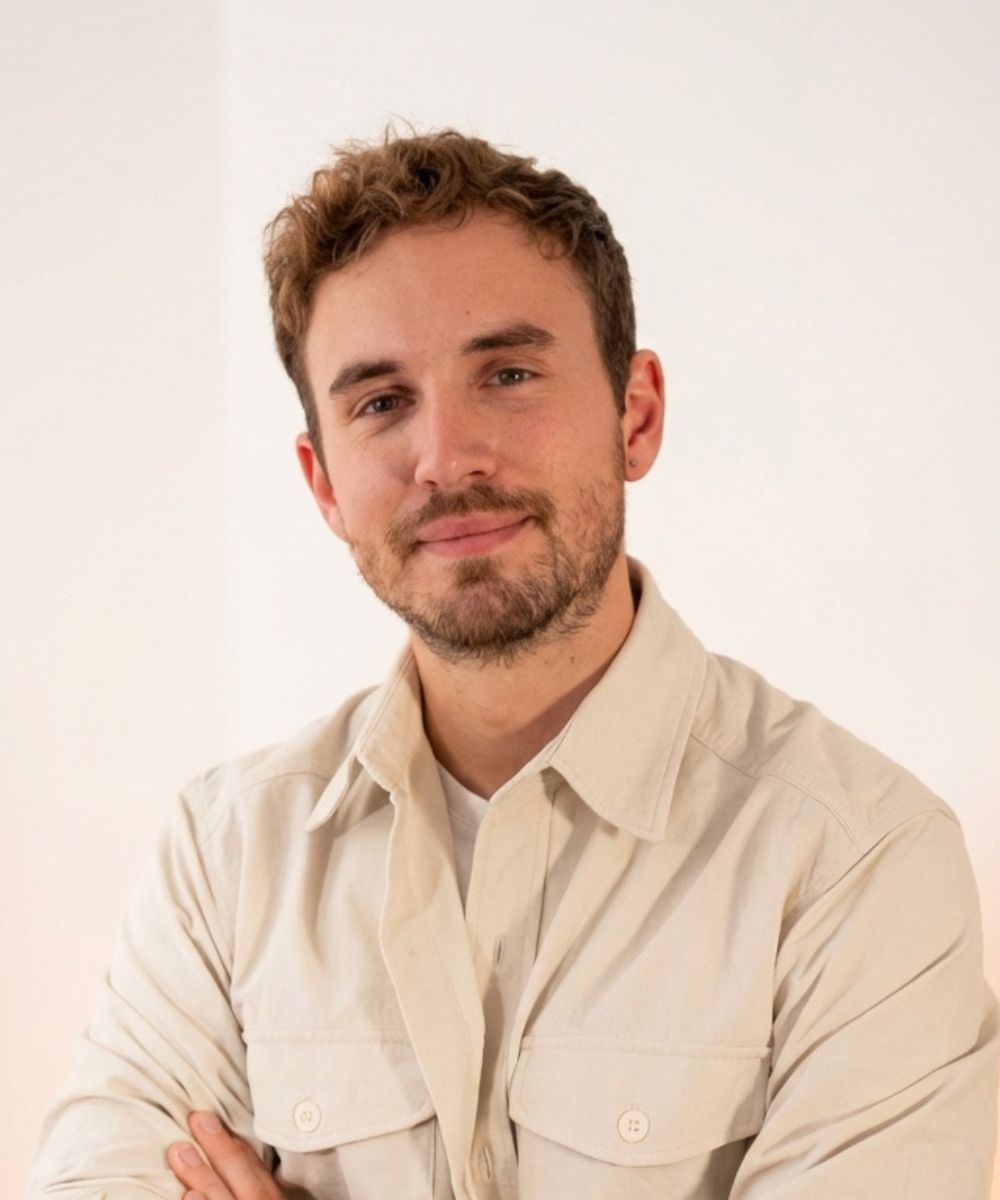
Philippe, inventor and founder of neoflo
Anxiety: Understanding the Signs and Calming Your Nervous System for the Long Term
Anxiety: Understanding the Signs and Calming Your Nervous System for the Long Term
Anxietyis a useful emotion in moderate doses: it’s what drives us to study for an exam, prepare for an important meeting, or look both ways before crossing the street. But when it becomes constant—when your mind races in circles, your stomach stays in knots, and your nights are fragmented—you slip intochronic anxiety, and your entire nervous system goes out of whack. This article explains exactly what anxiety is, how to distinguish it from stress and panic attacks, what science has found about deep breathing when dealing with anxiety, and how 20 minutes a day can truly calm a mind that just won’t let go.
What is anxiety?
Anxietyis an emotion of negative anticipation—the fear of what might happen. It is vague, long-lasting, and often lacks a specific focus. It differs fromfear, which is a reaction to a present and identified danger, and from apanic attack, which is an acute spike in anxiety.
"Normal" anxiety serves a protective function. It becomes pathological when it:
- Occurs in the absence of a real threat or a threat that is disproportionate to the actual threat
- Lasting more than 6 months
- Interferes with work, sleep, and relationships
- It is accompanied by pronounced physical symptoms (palpitations, a knot in the stomach, tension, fatigue)
This is referred to asan anxiety disorder, which affects about20% of French people at some point in their lives. There are several forms:
- Generalized Anxiety Disorder (GAD): excessive and persistent worry about a variety of issues (work, health, family, money) lasting at least 6 months.
- Social anxiety: an intense fear of being judged, watched, or evaluated—which makes social interactions dreaded.
- Performance anxiety: related to situations involving evaluation (exams, public speaking, interviews).
- Anticipatory anxiety: the fear of having a panic attack—the primary driver of panic disorder.
- Panic disorder: recurrent panic attacks (see ourpage on panic attacks).
- Specific phobias: an intense fear of a specific object or situation (public transportation, animals, heights, blood).
Anxiety or stress: the difference that changes treatment
The terms "stress" and "anxiety" are often confused, but they describe two distinct phenomena that do not require the same response:
- Stressis areactionto an identifiable trigger: a heavy workload, a conflict, or a life change. It is generallysituational: once the trigger is removed, the stress subsides.
- Anxietyis astate that is, to a greater or lesser extent, independent of circumstances. It can arise without an identifiable trigger, persist even after the initial cause has disappeared, or shift from one person to another.
In practical terms: stress says, “I have too much to do.” Anxiety says, “Something bad is going to happen.” Stress is resolved by addressing the cause. Anxiety, on the other hand, feeds on itself—which is why it requires a different approach, one focused on regulation of the nervous system rather than just resolving situations.
In practice, stress and anxiety often go hand in hand: chronic, unresolved stress gradually fuels underlying anxiety. And chronic anxiety lowers the stress threshold—we become reactive to things that we used to handle without batting an eye. The two feed off each other.
Anxiety and the Nervous System: The Mechanism of Chronic Dysregulation
When you feel anxious, yoursympathetic nervous systemkicks in. Your heart races, your muscles tense up, your stomach knots up, and you start to breathe rapidly. This is the “fight-or-flight” response—physiologically useful when facing real danger, but it also triggers in response toanticipateddangers that never materialize.
The problem with chronic anxiety is that this activation doesn’t shut off. The sympathetic nervous system remains dominant for an extended period, and theparasympathetic nervoussystem (recovery, calm, digestion) is unable to take over. The vagus nerve, the main channel of the parasympathetic nervous system, sees its tone decrease: this is calledlow vagal tone, and it can be measured byheart rate variability (HRV), which plummets in people with chronic anxiety.
A chain reaction of consequences:
- Chronically elevated cortisol (the stress hormone)
- Poor sleep quality: difficulty falling asleep, waking up during the night, light sleep
- Functional digestive disorders (bloating, irritable bowel syndrome, acid reflux)
- Chronic muscle tension (trapezius muscles, jaw, back)
- Cognitive fatigue, rumination, difficulty concentrating
- Long-term: high blood pressure, depression, inflammatory conditions
All of these effects stem from the same central mechanism—the deregulation of the autonomic nervous system. And it is through this mechanism that deep breathing exerts a direct effect, by increasing vagal tone and restoring the balance between the sympathetic and parasympathetic nervous systems.
Recognizing the signs of chronic anxiety
Physical signs
- Stomach ache, knot in the stomach, bloating, sensitive stomach
- Heart palpitations, chest tightness, feeling of suffocation
- Muscle tension (neck, shoulders, clenched jaws, especially at night)
- Frequent headaches, dizziness
- Fatigue that doesn't go away with sleep
- Restless sleep, waking up at 3 or 4 a.m.
Cognitive signs
- Ruminations, thoughts that go round and round in my head
- Pessimistic outlook, worst-case scenarios
- Difficulty concentrating, brain fog
- Hypervigilance, easily startled
- Indecision, constant doubts
Emotional cues
- A feeling of being constantly "on edge"
- Irritability, excessive impatience
- A feeling of tightness or heaviness in the chest
- Loss of pleasure, emotional detachment
- Fear of having a panic attack — anticipatory anxiety
If several of these symptoms have persisted for more than 6 months, your nervous system is in a state of chronic dysregulation. The good news is that this condition is reversible. Vagal tone can be trained, just like a muscle.
What Science Says About Deep Breathing for Anxiety
Cardiac coherence—breathing at a rate of 6 breaths per minute—is one of the best-documented non-pharmacological interventions for chronic anxiety. Some key publications:
- Lehrer et al. (2020, meta-analysis of 58 randomized clinical trials)— the gold-standard study. Effect on anxiety and depression “comparable to established treatments,” via the HRV biofeedback mechanism.
- Tatschl and Schwerdtfeger (2020)— controlled trial in a psychiatric setting (n=92, 5 weeks), significant effect on anxiety and depressive symptoms (d = 0.79).
- Kwon et al. (2025, meta-analysis of 48 RCTs)— confirm the dose-dependent effect of diaphragmatic breathing on anxiety and stress: sustained benefits require 15–20 minutes per session.
- Ma et al. (2017, Frontiers in Psychology)— 8 weeks of abdominal breathing significantly reduces salivary cortisol and improves sustained attention.
- Kenemore et al. (2024)— a meta-analysis of 95 military personnel with PTSD: moderate to large effect on post-traumatic anxiety symptoms.
The underlying mechanism: breathing at 6 breaths per minute activates the vagus nerve, which modulates the amygdala (the fear center), restores parasympathetic tone, and sustainably lowers the nervous system’s arousal level. For more details on the mechanism, visitour Science page.
How to Manage Anxiety in Your Daily Life: 5 Strategies to Combine
No single approach is enough on its own. When combined, they bring about lasting change in the realm of anxiety.
1. Daily breathing exercises
20 minutes of cardiac coherence a day. This is the best-documented non-pharmacological intervention. It targets the root cause (the nervous system) rather than the symptoms. Toreduceunderlyinganxiety, this is the first step to take.
2. Restful sleep
Anxiety and insomnia feed off each other. Set a screen-free curfew at 10 p.m., keep the bedroom cool (64°F), don’t bring your phone to bed, and wake up at the same time every day, even on weekends. Acardiac coherence session before bedactivates the parasympathetic nervous system and makes it easier to fall asleep.
3. Regular physical activity
Brisk walking for 30 minutes a day, cycling, swimming. The effect on anxiety is significant, as demonstrated by dozens of studies. Avoid high-intensity sports that can mimic anxiety symptoms (palpitations, shortness of breath) and fuel anticipatory anxiety.
4. Limit stimulants
Coffee, strong tea, alcohol, nicotine, and simple sugars: all of these lower the nervous system’s alert threshold. Coffee consumed after 2 p.m. is particularly harmful to sleep and can lead to morning anxiety. Cutting back or eliminating these substances often makes a noticeable difference within 2–3 weeks.
5. Cognitive Behavioral Therapy (CBT)
CBT is the gold standard psychological treatment for chronic anxiety, with a success rate of 60–80% depending on the specific condition. It addresses the thought patterns that fuel anxiety and provides practical tools. It is worth considering if anxiety has become a long-term issue, in addition to breathing exercises.
Anxiety at Work: Managing Chronic Stress
Anxiety in the workplaceis one of the most common forms of anxiety today. It can take many forms: fear of making mistakes, fear of managerial judgment, performance anxiety before every meeting, imposter syndrome, chronic negative anticipation, and physical symptoms on Sunday evenings. When it persists, it sets the stage forburnout.
Some effective strategies:
- A cardiac coherence session in the morning before arriving at the office: you start the day with a balanced nervous system instead of going into high alert mode.
- Short breathing breaksthroughout the day: 5 minutes of quiet time between meetings, or 2–3 cycles of deep exhalation before a tense conversation.
- The evening commute as a transition ritual: 20 minutes of cardiac coherence between the end of the workday and dinner, so as not to bring stress home with you.
- Talk to your occupational health physicianif work-related anxiety becomes debilitating (possible accommodations, sick leave if necessary).
Anxiety and Sleep: A Two-Pronged Challenge
Anxiety and insomniaform a particularly difficult vicious cycle. Anxiety prevents you from falling asleep and causes you to wake up during the night. Lack of sleep disrupts cortisol levels and amplifies anxiety the next day. In the morning, you feel more vulnerable; in the evening, you dread the night ahead.
The benefit of deep breathing is that it works on both at the same time. A20-minute session before bedeases anxietyandswitches the nervous system into sleep mode. This is the most effective time to practice for people who suffer from anxiety-related insomnia.
Anxiety or a panic attack: knowing the difference
This distinction is important because the two do not call for the same response:
- Anxietyis a persistent condition, varying in intensity, that can last for hours, days, or weeks. It is characterized by moderate but persistent physical symptoms.
- An anxiety attack(or panic attack) is a sudden, intense episode characterized by a sudden surge of intense fear and pronounced physical symptoms (such as palpitations, shortness of breath, dizziness, and a feeling of impending doom); it peaks within 5–10 minutes and lasts a total of 10–30 minutes.
Chronic anxiety creates theconditionsthat lead to panic attacks. Regulating these conditions through daily breathing exercises reducesbothunderlying anxiety and the frequency of panic attacks. For emergency guidelines during an active panic attack, visitour dedicated page.
neoflo : 20 minutes a day, effortless, screen-free
The challenge of using breathing exercises to manage anxiety is that concentration is precisely what anxiety undermines. Counting your breaths, following a visual guide on a screen, staying focused for 20 minutes without getting distracted—all of this becomes extremely difficult for someone with anxiety. And using your phone right before bed only exacerbates this disruption.
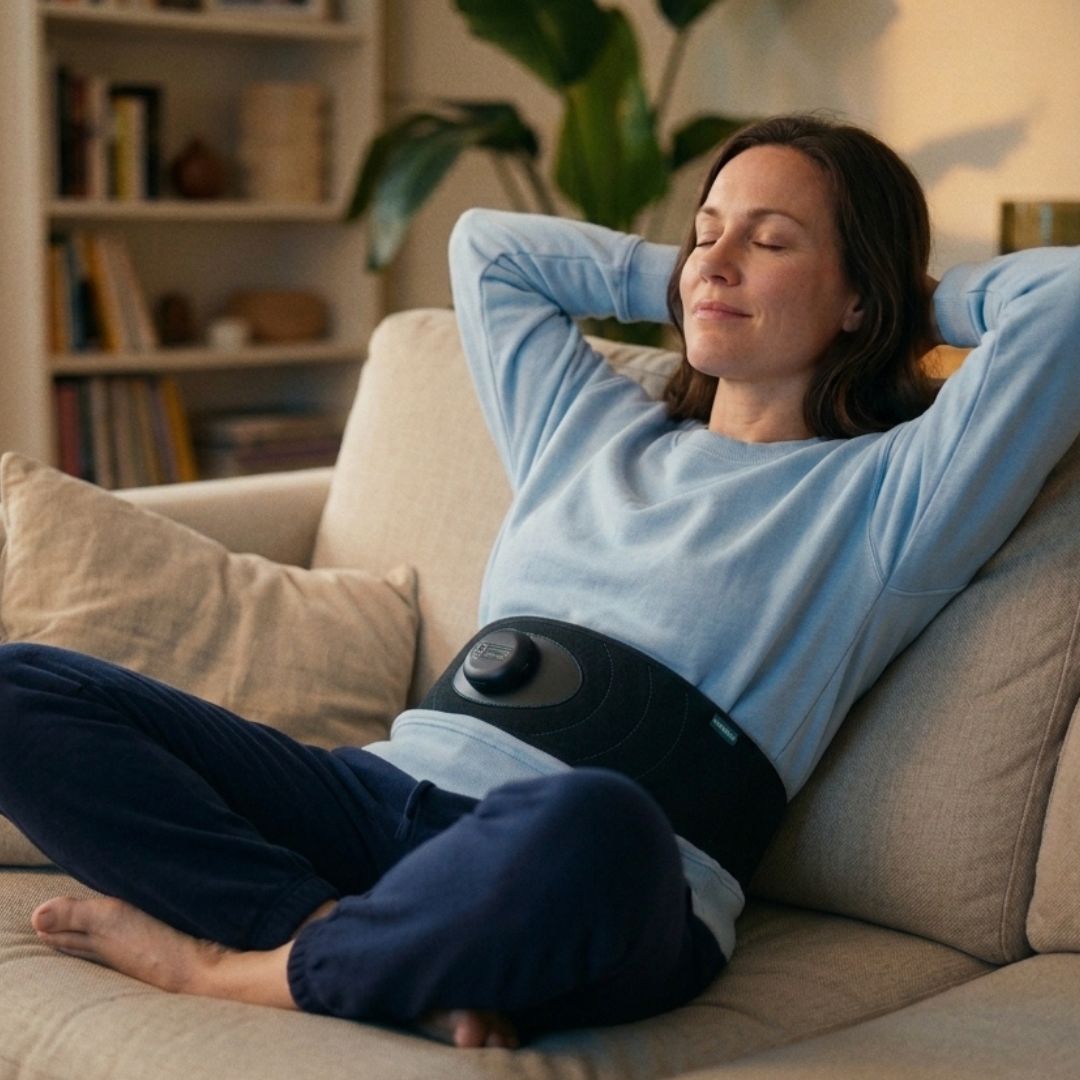
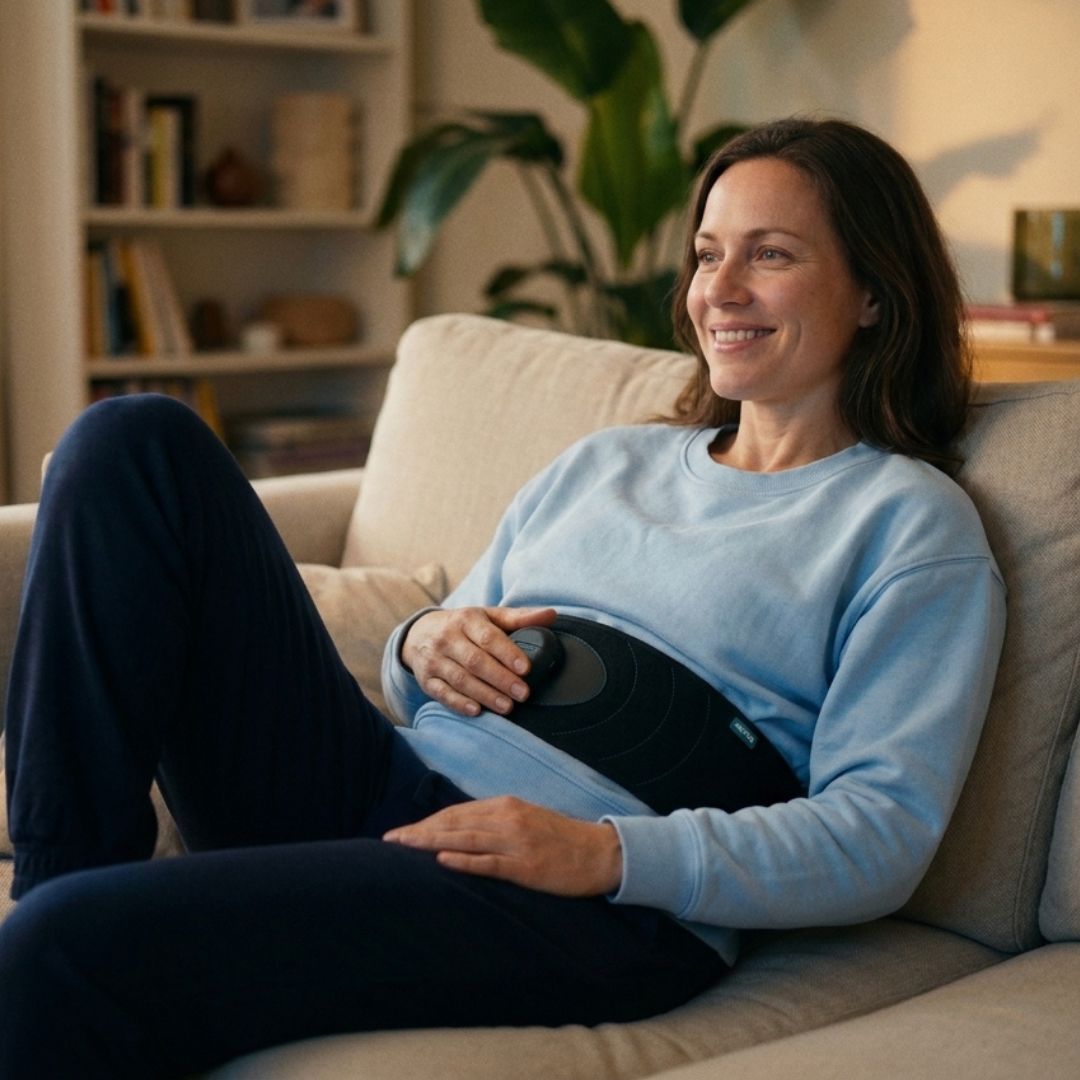
The neoflo breathing beltwas designed to solve this problem. Three haptic motors placed on the abdomen guide your breathingthrough touch. No screen, no app, no cognitive effort required. You start the session, close your eyes, and 20 minutes later, your nervous system is in parasympathetic mode.
The study by Bouny et al. (2023,*Sensors*) demonstrated that tactile guidance produces a cardiac coherence indextwice as high asthat of visual guidance (0.55 vs. 0.28). For people with anxiety, this is crucial: the practice succeeds where, without such a tool, it would have been abandoned.
Invented by a biomedical engineer and co-developed with Dr. Thomas Cantaloup, a physician specializing in sleep and mental health. Bronze medalist at the 2024 Concours Lépine. Comes with an online training course and an 8-week support program.
Discover the " neoflo " belt → 30-day “satisfaction guaranteed or your money back” trial, with free shipping and returns.
FAQ — Anxiety
What are the early signs of anxiety?
Early warning signs: persistent rumination, lighter sleep, muscle tension (jaws, shoulders, back), recurring butterflies in the stomach, irritability, and fatigue that doesn’t go away with rest. If several of these signs have persisted for more than 3 months, your nervous system is entering a state of chronic dysregulation—now is the time to take action, before the symptoms worsen.
How can I quickly relieve anxiety?
For immediate relaxation:take a long exhale. Breathe in through your nose for 4 seconds, then breathe out through your mouth for 6 to 8 seconds, for 2–3 minutes. Prolonged exhalation immediately activates the vagus nerve and lowers your heart rate. For lasting relaxation, practicing 20 minutes of cardiac coherence daily is what produces the long-term effect.
Can breathing really help calm anxiety?
Yes, with a high level of evidence. The 2020 Lehrer meta-analysis (58 RCTs) documents an effect “comparable to established treatments.” The Kwon 2025 meta-analysis (48 RCTs) confirms a dose-dependent effect—sustained benefits require 15–20 minutes per session, performed daily over 4–12 weeks. The mechanism: activation of the vagus nerve, which modulates the amygdala (the fear center) and restores parasympathetic tone.
How long does it take to see an improvement in anxiety?
The immediate effects (instant calm) are felt as early as the first session. Ameasurable improvement in underlying anxietygenerally appears after 2 to 4 weeks of daily practice. Lasting and stable changes take effect over 4 to 12 weeks. This is the standard duration of clinical trials.
Anxiety and Insomnia: What Can You Do?
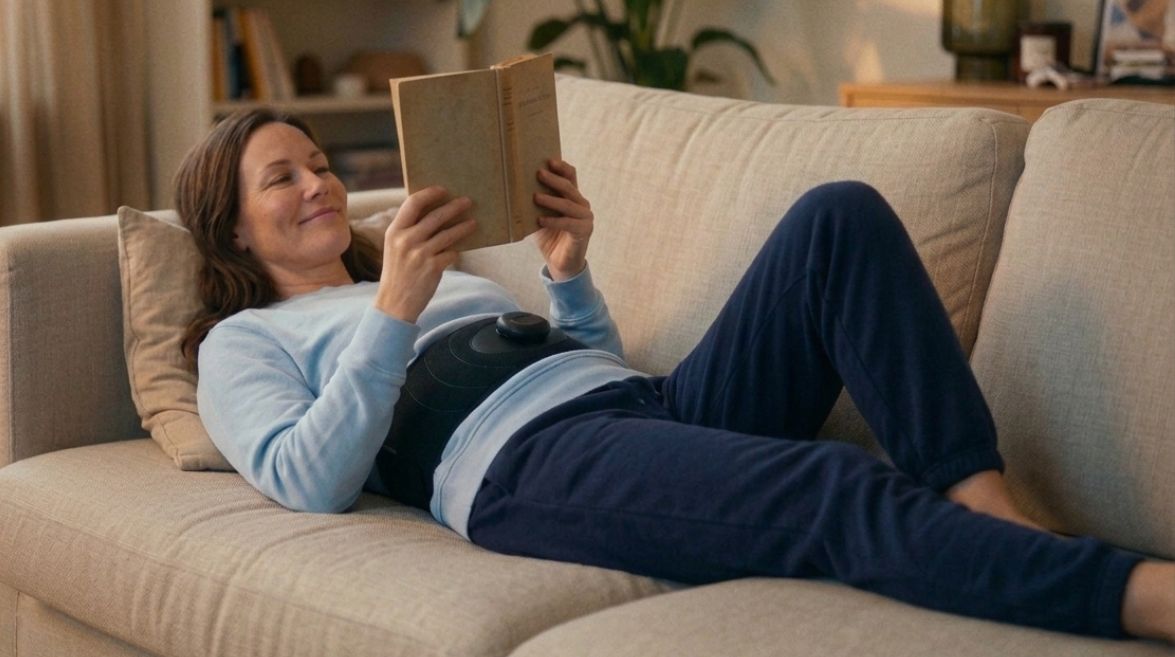
A20-minute session of cardiac coherence before bedtimeworks on two fronts simultaneously: it eases anxiety and activates the parasympathetic nervous system in preparation for sleep. The neoflo beltis particularly well-suited for this time of day: no screen before bed, guidance through touch, and the ability to practice while lying in bed with your eyes closed. Many users fall asleep before the session ends.
Can cardiac coherence replace an anti-anxiety medication?
For mild to moderate anxiety, yes—deep cardiac coherence produces an effect comparable to certain established treatments, without side effects or the risk of dependence.Never stop taking a prescribed anti-anxiety medication without consulting your doctor. Stopping benzodiazepines too quickly can be dangerous. Talk to your doctor about gradually tapering off the medication while incorporating daily breathing exercises.
Chronic anxiety: Should I see a psychologist?
If your anxiety has lasted for more than 6 months, interferes with your daily life, or is accompanied by symptoms of depression, you should consult a psychologist or psychiatrist.Cognitive behavioral therapy (CBT)is the gold standard for treating anxiety disorders, with a success rate of 60–80%. Breathing exercises (20 minutes a day) are a valuable complement to this, not a substitute.
Take back control of your nervous system
Chronic anxiety isn’t a personality trait—it’s a nervous system that needs to be retrained. Twenty minutes of deep cardiac coherence per day, for 4 to 12 weeks, is the dose that science has validated for making lasting changes to your baseline tone. The neoflo beltmakes this practice sustainable in daily life—without a screen, without cognitive effort, guided by touch.
Discover the " neoflo " belt → 30-day “satisfaction guaranteed or your money back” trial.
neoflo is a wellness tool. It is not a medical device and is not a substitute for medical advice, diagnosis, or treatment. If you are experiencing chronic anxiety, established anxiety disorders, or significant psychological distress, consult a doctor, psychologist, or psychiatrist.