3 essential tips for your practice
Stress has become the scourge of the century. Between our hectic lifestyles and the omnipresence of screens, our nervous system is in a constant state of alert. Fortunately, there is a powerful biological lever that is accessible to everyone and validated by science: breathing.

Practicing controlled breathing allows you to synchronize your heart rate with your breath. However, to truly feel the benefits of coherent breathing on your anxiety and sleep, it is not enough to simply "take a few breaths."
Here are three essential tips for transforming your practice into a truly therapeutic tool.
1. Finding the right balance: 5-5 or 4-6?
coherent breathing on a simple physiological principle for activating the vagus nerve and regulating stress: achieving a resonance frequency of approximately 0.1 Hz, or 6 breaths per minute. At this rate, heart rate variability increases, signaling your brain to switch to "calm and recovery" mode.
There are two main approaches depending on your objective:
-
The 5-5 rhythm (balance): Inhale for 5 seconds, exhale for 5 seconds. This is the standard rhythm for balancing the autonomic nervous system.
-
The 4-6 rhythm (relaxation): Inhale for 4 seconds and exhale for 6 seconds. By lengthening the exhalation, you further stimulate the vagus nerve, which is responsible for deep relaxation and lowering cortisol (the stress hormone).
According to the French Cardiology Federation, this practice allows for an immediate reduction in anxiety and better management of emotions.

2. Session duration: why 20 minutes is better than 5
This is where most beginners make a mistake. We often hear that a 5-minute session is enough. This is true for achieving an immediate "calming" effect, but it is insufficient for inducing lasting neurological changes.
To fully enjoy the benefits of coherent breathing, clinical research suggests aiming for 20-minute sessions.
Why? Because it is the threshold required for:
-
Physically reduce the size of the amygdala (the area of the brain that manages fear).
-
Strengthen the prefrontal cortex (the area of reasoning and calmness).
-
Activate the parasympathetic nervous system in a sustainable manner.
A study published on NCBI shows that regular long sessions alter the physiological response to stress in the long term, well beyond the session itself.
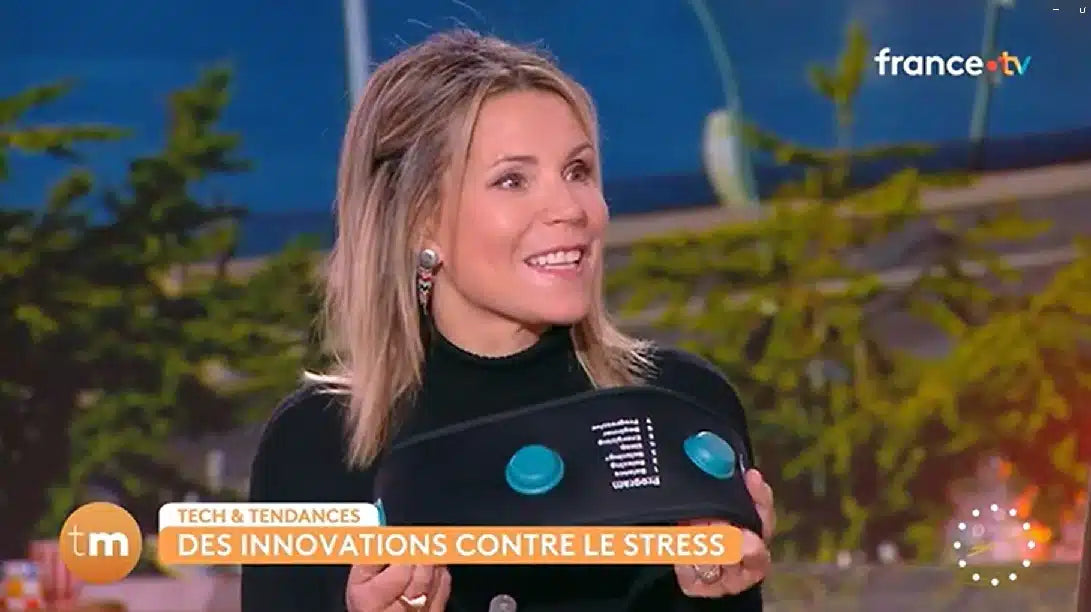
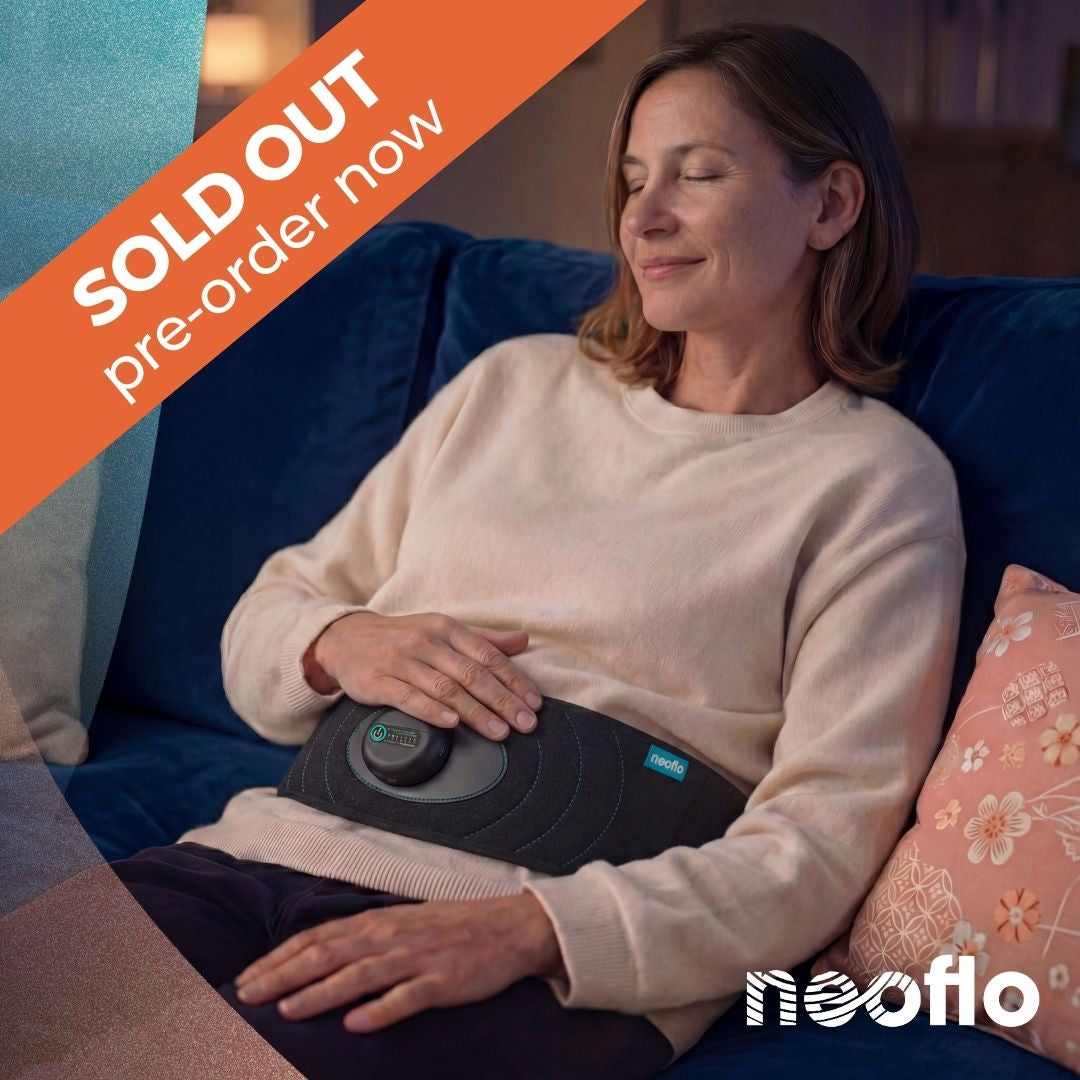
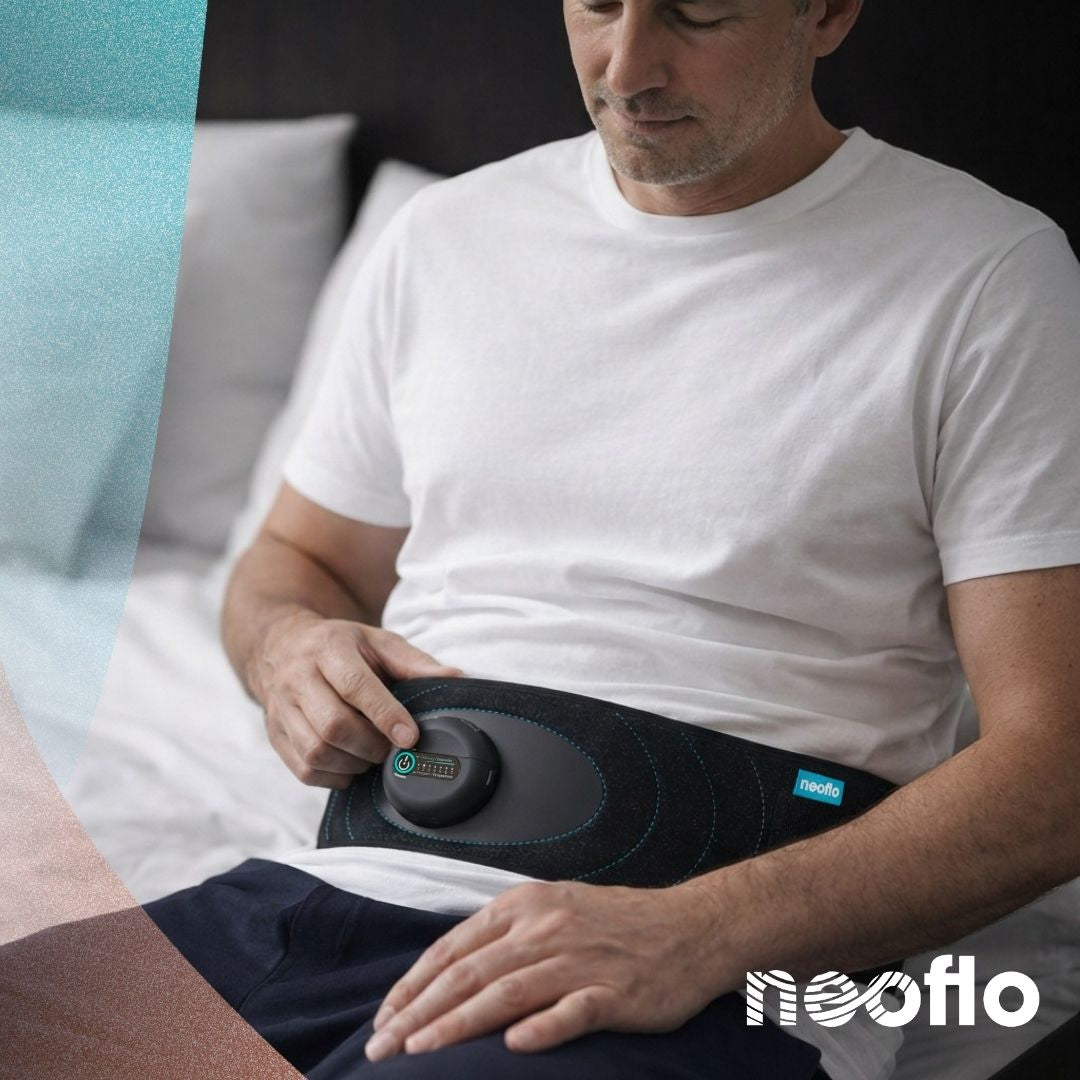
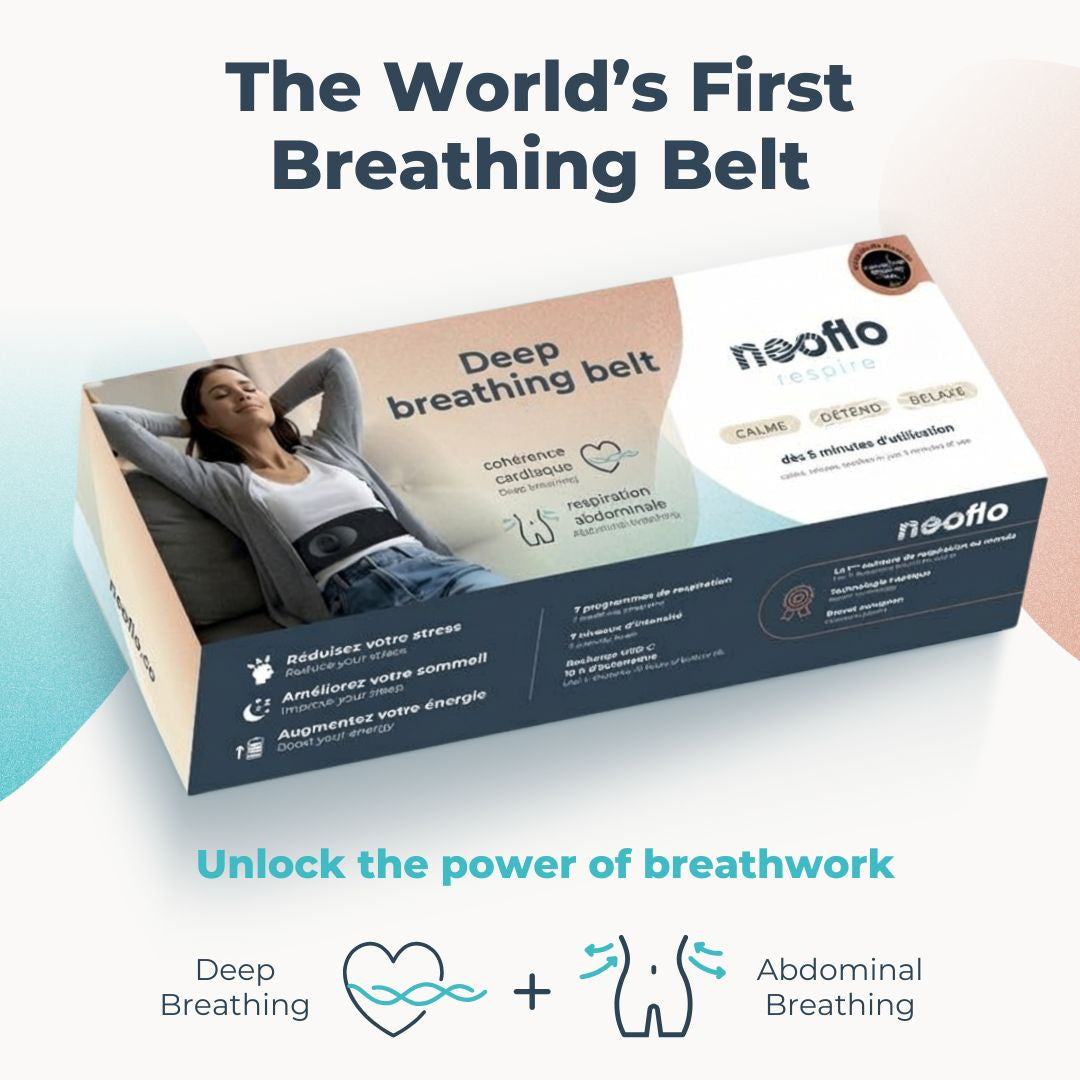
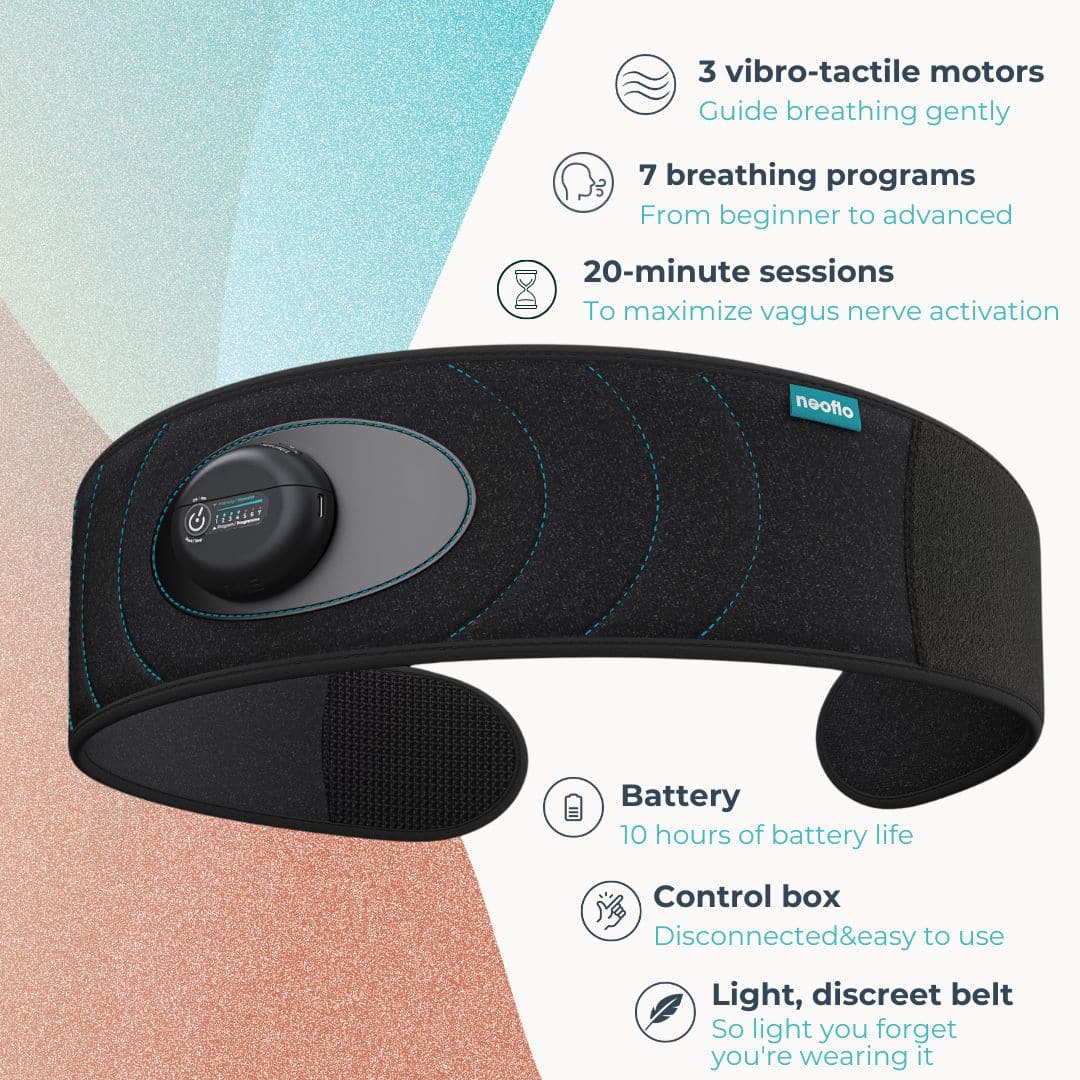
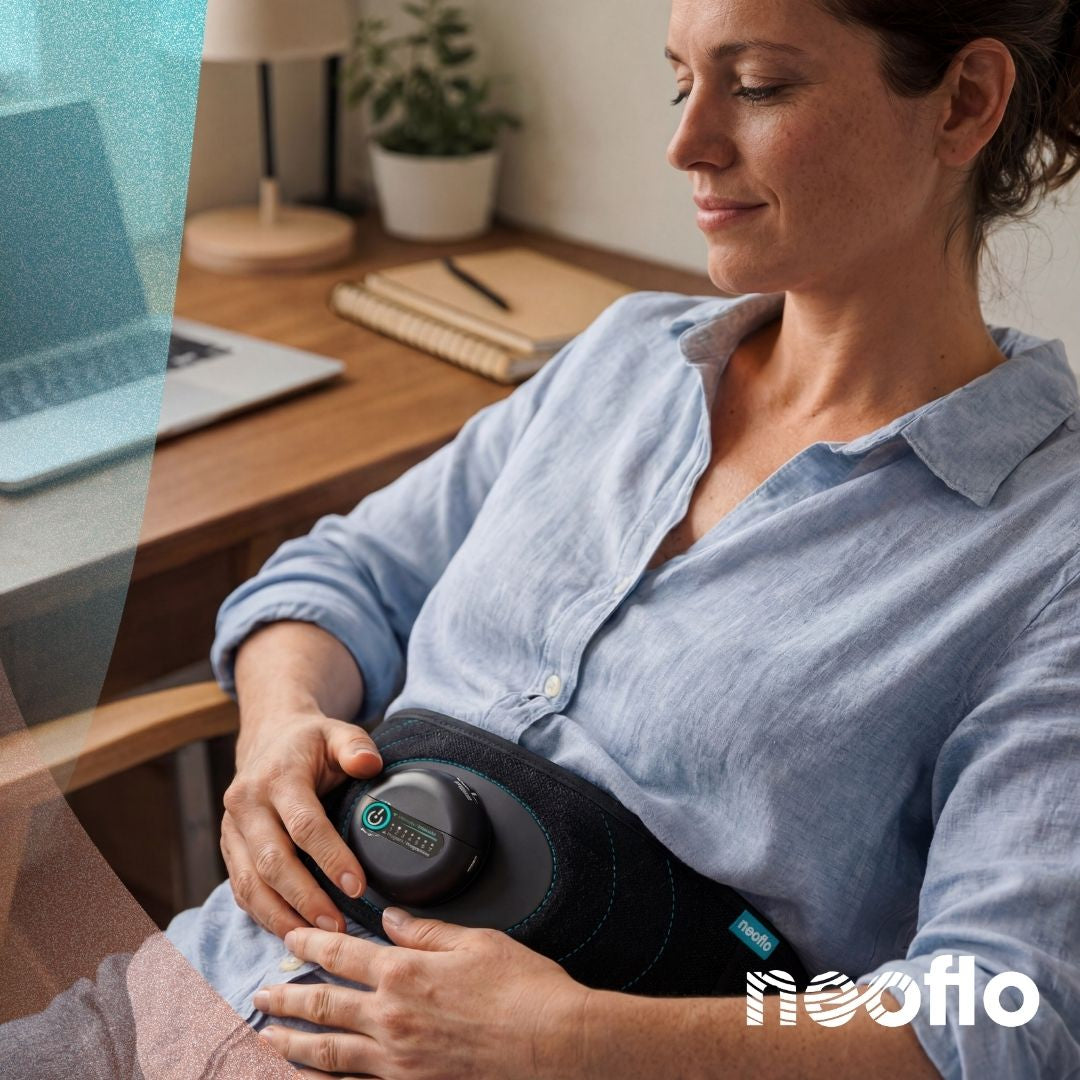
Neoflo tip: We know that staying focused for 20 minutes while counting in your head is exhausting. That's why our Neoflo breathing belt replaces mental arithmetic with gentle tactile vibrations, making those 20 minutes as easy as a massage.

3. Consistency: a daily practice for concrete results
The nervous system is like a muscle: it can be trained. If more than 50% of adults breathe dysfunctionally (breathing too high, through the mouth, or irregularly), it is because we have lost the habit of diaphragmatic breathing.
To anchor the benefits in your daily life:
-
Create a ritual: Link your session to a key moment (upon waking up for energy, or 1 hour before bedtime for sleep).
-
Don't wait until you're stressed: coherent breathing more effective as a preventive measure. Practicing when everything is going well allows your body to respond better when tension arises.
-
Remove screens: Using a smartphone app can be counterproductive due to blue light and notifications.
For lasting change, the challenge is to move from intention to action. By incorporating breathing into your daily routine, you are directly impacting your mental health and well-being.

Conclusion: Simplify your practice to succeed
The benefits of coherent breathing are immense: lower blood pressure, better sleep, reduced inflammation, and mental clarity. And the key to success remains effortless regularity.