
health advice

Stop mental rumination in 5 minutes flat

Stop mental rumination in 5 minutes flat

When your mind goes round in circles

You know that little voice in your head that refuses to shut up? That incessant inner dialogue that replays the events of the day or anticipates a future that doesn't even exist yet.

It's mental rumination, that hamster running on its wheel without ever stopping. What if I told you there's a simple way to get off that infernal wheel?

Your breathing holds the key to calming this mental noise in just 5 minutes.

What is mental rumination?

Mental rumination is the tendency to dwell on negative thoughts or past events over and over again. It is a natural mechanism of the brain, but when it gets out of hand, it becomes toxic:

  • Increased stress and anxiety.
  • Sleep disorders.
  • Decreased concentration.

Why? Because when your brain is in rumination mode, it activates the sympathetic nervous system, which is responsible for alertness. Your body is then ready to fight... against a problem that often only exists in your head.

The role of breathing in managing thoughts

Breathing is a direct gateway to your nervous system. By slowing it down, you activate the parasympathetic nervous system, which tells your brain, "Everything is fine, you can relax." This is where the magic happens: by calming your body, you also calm your mind.

Stop ruminating in 5 minutes: the guide

Here is a simple but highly effective technique for breaking out of a mental spiral: cardiac coherence and abdominal breathing.


1. Make yourself comfortable

Sit or lie down in a quiet place. Place one hand on your stomach and the other on your chest.

2. Breathe with your diaphragm

Breathe in deeply through your nose for 4 seconds, filling only your belly. Breathe out slowly through your mouth for 6 seconds, pulling your belly in.

3. Slow down with neoflo

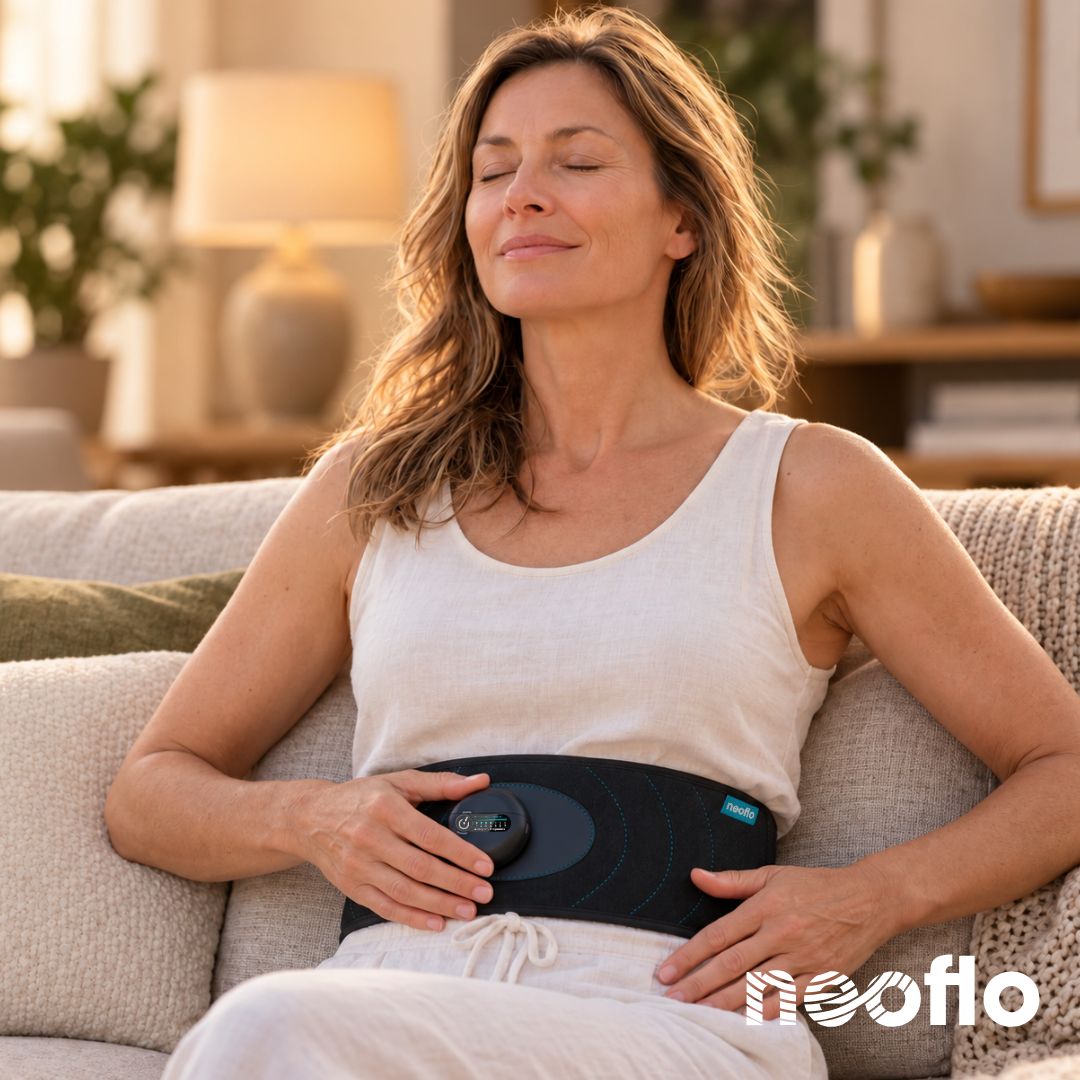
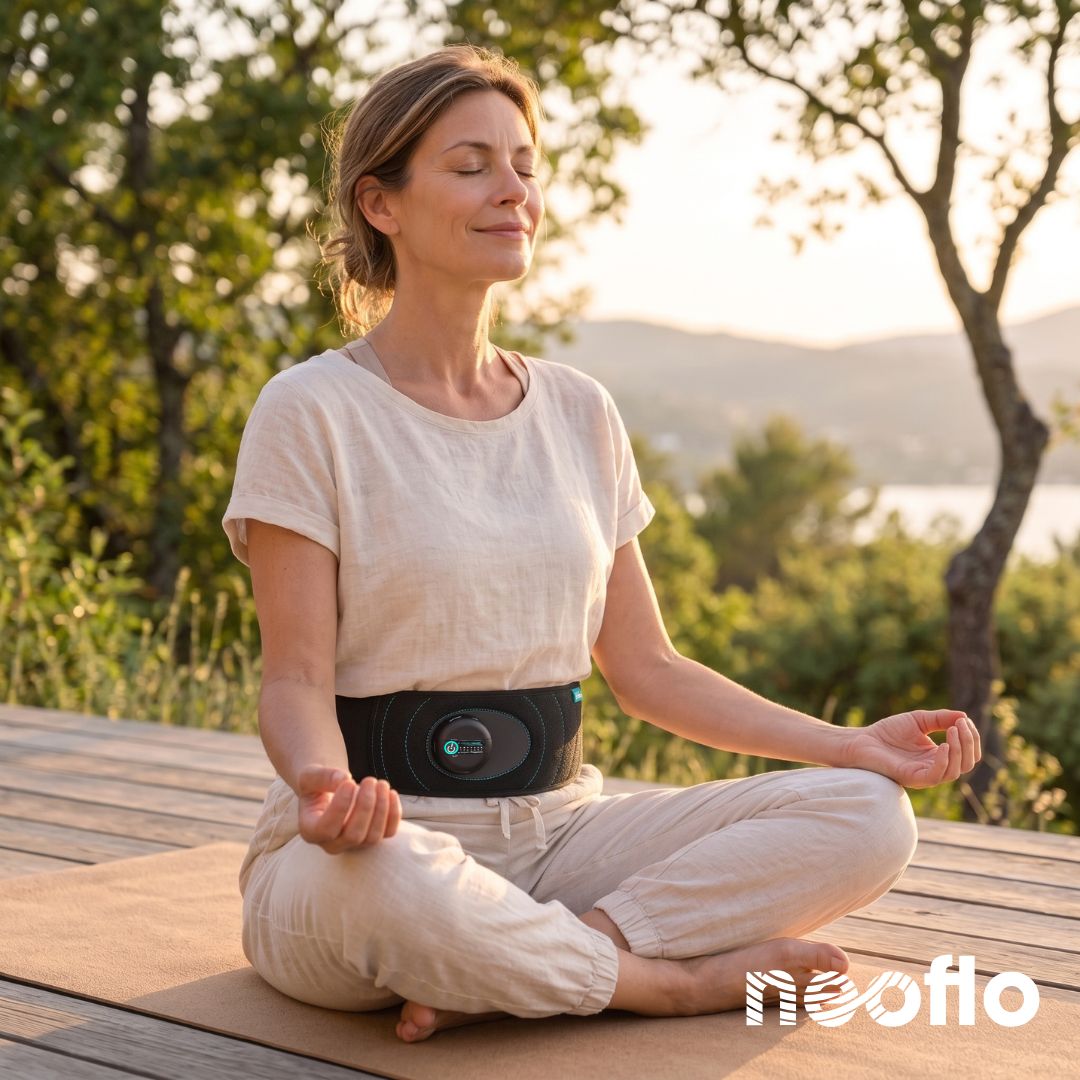
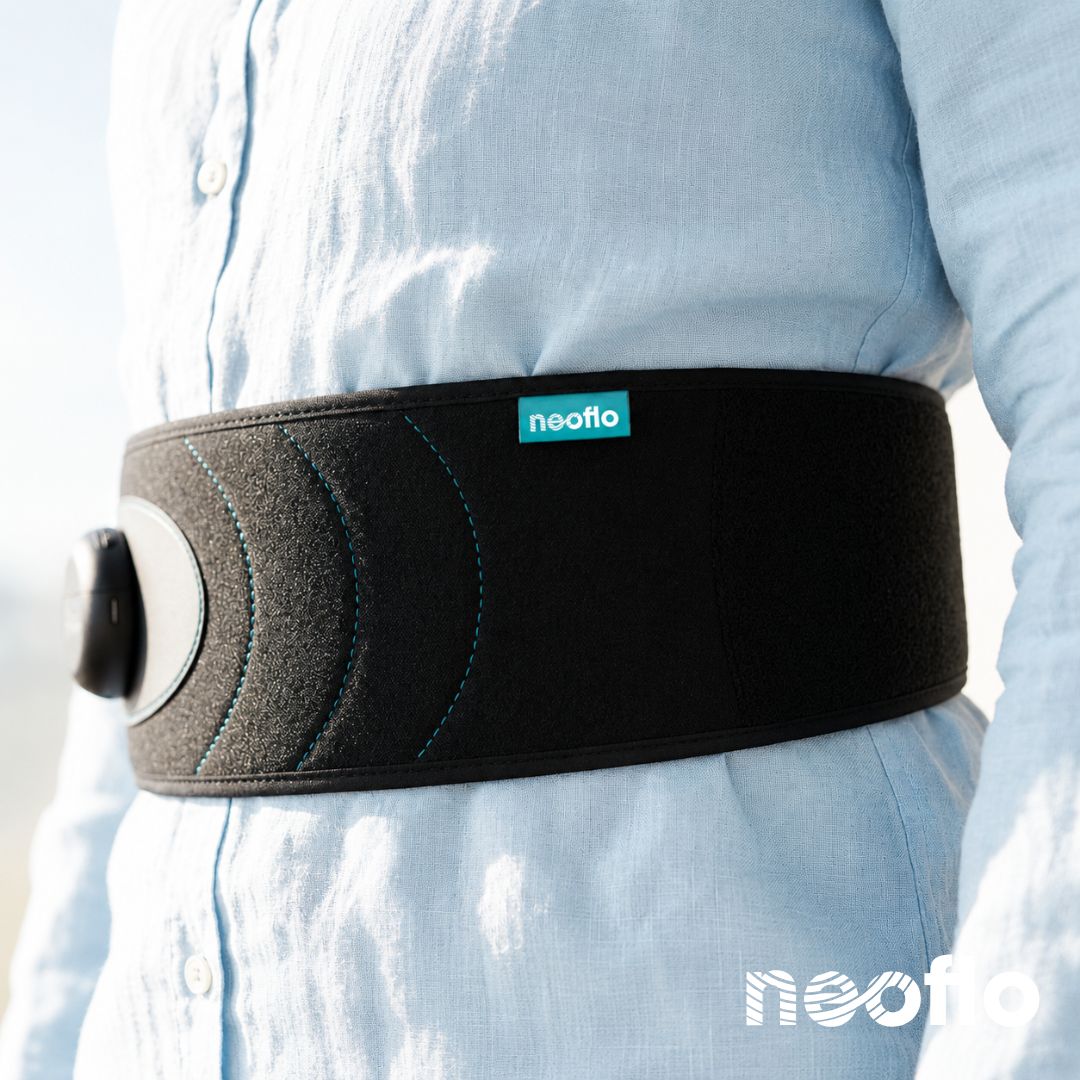
If you're having trouble focusing on your breathing, let the Neoflo breathing belt guide you. Its tactile vibrations synchronize your inhalations and exhalations, allowing you to let go effortlessly. Find out how the Neoflo belt can help youhere.

4. Repeat for 5 minutes.

Continue this breathing cycle, focusing on the movement of your abdomen. Each exhalation becomes an invitation to release your thoughts and tensions.

Why does it work?

This technique is based on solid scientific foundations. Studies have shown that slow breathing exercises significantly reduce activity in the areas of the brain associated with anxiety and mental rumination. (Source:The Science of Breathing).

In just 5 minutes, you will:

  • Reduce cortisol (the stress hormone).
  • Reduce excessive mental activity.
  • Regain clarity of mind.

What next? Make breathing a reflex

The key to turning this practice into a sustainable anti-rumination tool is consistency. Incorporate breathing breaks into your day:

  • In the morning, to start the day calmly.
  • After a stressful situation, to regain your calm.
  • In the evening, to clear your mind before going to sleep.
  • Try extending your sessions to 15 or 20 minutes.

With the Neoflo breathing belt, this routine becomes an essential moment of relaxation, making it easy to extend your sessions. The Neoflo belt makes every session smooth and intuitive thanks to its tactile guidance and personalized programs.

Mental rumination is not inevitable

Breaking out of a mental spiral doesn't require a complex solution. Sometimes, all you need to do is get back to basics: breathe slowly and deeply. So, the next time your mind starts racing, take a break, inhale, exhale... and let your breath do the rest.


Read more

Blocked diaphragm: relearn how to breathe
Cardiac coherence and high blood pressure: don’t wait

Free stress check

Nervous system locked in alert mode

Is your body stuck in alert mode?

1 minute to find out where you stand with stress, and whether breathing can help you take the pressure off

Free · No obligation · Instant results

A surprise awaits you at the end of the review

In the past few weeks, have you had trouble unwinding in the evening?

Do you often feel under pressure, even over small things?

Do you feel like you're always running out of time?

Do you ever feel like you're at the end of your rope, for no particular reason?

During the day, do you hold your breath, sigh often or breathe through your mouth?

Have you ever tried breathing exercises?

Slow deep breathing, meditation, apps…

For you, what would a good breathing session be, above all else…

What bothers you the most?

Your stress check is ready

Enter your email to see your results. You'll also get our breathing tips, tailored to your answers.

Your surprise comes with your results

Your answers are only used to personalize your tips. Unsubscribe in one click · Privacy

Your perceived stress level

Your stress is fairly low right now: your nervous system easily finds its balance. A great time to build a breathing habit that will help it stay that way.

Your stress is there without taking over. But your nervous system is probably in alert mode more often than you think.

Your nervous system often seems stuck in alert mode. Breathing slowly every day helps bring it back down. If this stress weighs on you over time, please also talk to a healthcare professional.

Your stress check in detail

Open each item to learn more

Your breathingRather tense Fairly calm

Holding your breath, frequent sighs, mouth breathing: these are signs of high, fast breathing, which keeps your nervous system in alert mode. Yet breathing is one of the few automatic functions you can also control: by slowing your breath, and especially by making your exhale longer, you signal to your nervous system that it can release the pressure.

Your breathing seems fairly calm day to day: that's a good foundation. The challenge is keeping this reflex in tense moments, when your breath locks up without you noticing. Regular guided practice trains your nervous system to return to calm faster.

Your Ideal SessionWith Your Eyes ClosedIn tune with your bodyOut of time

Screens keep the brain active: light, notifications, the urge to check something else. To truly unwind, the best approach is to lie down with your eyes closed, with nothing to look at. The rhythm then comes from your body, not from a screen.

Counting your breaths requires focus—precisely what’s lacking when you’re stressed. When you can physically feel the rhythm in your belly, all you have to do is go with it: your mind settles as your breathing slows.

Checking the time during a session is a sign that your mind has remained alert. A good session is one where you let yourself be carried along by a steady rhythm, without trying to control anything: the minutes pass without you counting them.

Your PrioritySleep BetterCalm your mindRelease body tensionBring the alert down

In the evening, your body needs to switch into recovery mode, but a nervous system stuck in alert mode holds back that shift. 20 minutes of slow breathing before bed, screen-free, helps you make the transition. The simplest way: a rhythm you follow with your eyes closed, without having to count.

Racing thoughts are often a sign of a nervous system stuck in alert mode. Trying to "stop thinking" doesn't work: what helps is giving your brain an anchor, a breathing rhythm to follow. Ideally, guidance you don't have to look at, so your attention stays on your breath and not on a screen.

Shoulders, jaw, belly: when your nervous system is in alert mode, your body stays ready to react and your muscles stay tense, often without you noticing. Slow, deep belly breathing helps it leave this mode and lets your muscles relax. Practised 20 minutes a day, it becomes a moment when your body learns to let go.

Sleep, mind, tension: it's often the same nervous system, stuck in alert mode, showing up in three ways. Rather than tackling each issue separately, it's better to address the root: slow, steady breathing helps it leave alert mode.

Try it nowThe 10-Second Test

Place one hand on your chest and the other on your belly, and breathe normally for a few moments. If it's mostly the top hand that moves, your breathing is rather high, typical of a body under tension. The goal: for the hand on your belly to rise, slowly.

Your surprise: an exclusive discount to try neoflo

Good news: you haven't tried the simplest lever yet. Slow breathing helps your nervous system leave alert mode, and you don't need any technique: just let yourself be guided.

If you stopped, it's not a lack of willpower. Counting, following an app, staying focused: that's exactly what's hard when you're stressed. The solution is to not have to think about it anymore.

You already practise, that's a real plus. With vibration guidance, no screen and no counting: your sessions become easier to keep up, day after day.

Let neoflo guide your breath

$349

  • Gentle vibrations guide you
  • Eyes closed, nothing to count
  • 20 min. No screen. No effort.
Try neoflo with my discount

Code RESPIRE20 applied automatically
30-day trial · Free returns