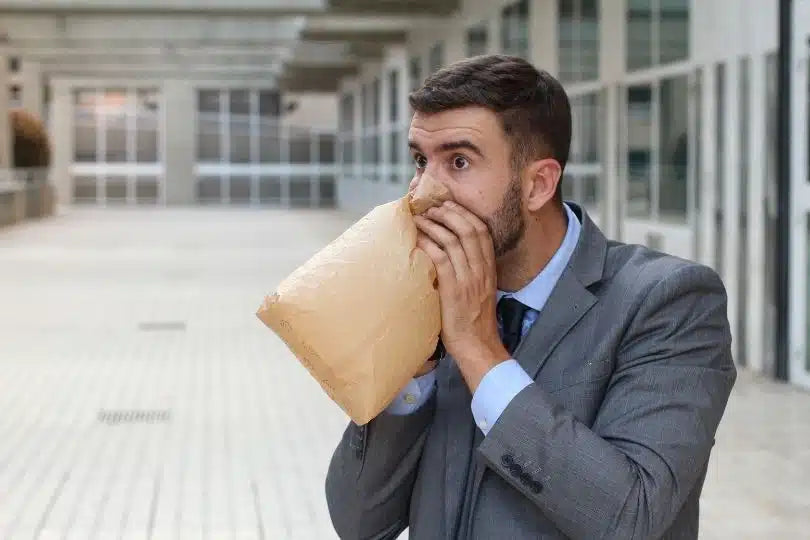
When breathing goes off track
The sensation of suffocation, that sudden feeling of not having enough air, is an experience that is as disturbing as it is uncomfortable.
Whether it occurs during times of stress, during an anxiety attack, or even for no apparent reason, it can quickly become a source of panic. But what is really behind this feeling of "shortness of breath," and more importantly, how can you regain calm, steady breathing?
In this article, we will explore the possible causes of this sensation and share practical solutions to help you regain control of your breathing.
What causes this feeling of suffocation?
The feeling of suffocation or shortness of breath can have various causes, often linked to an interaction between the body and the mind. Here are the main causes:
1. Stress and anxiety
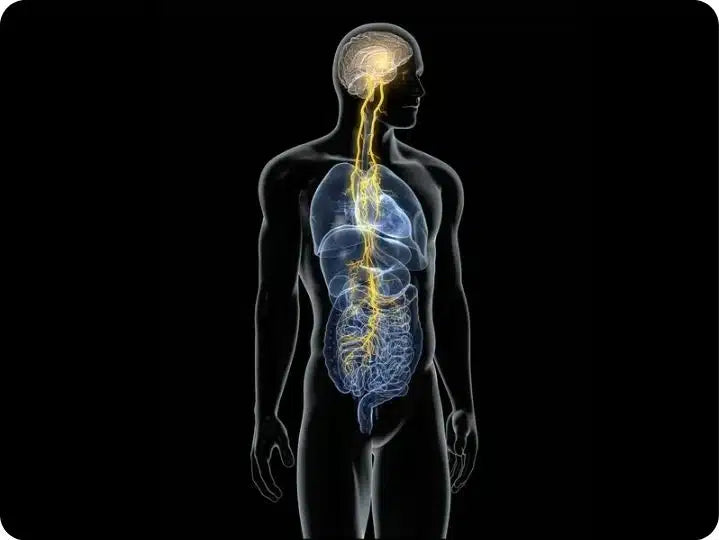
When under stress, the body activates the nervous system responsible for the "fight or flight" response. This activation can lead to rapid, shallow breathing, sometimes perceived as "blockage" or a lack of air. This amplifies the feeling of suffocation and can quickly create a vicious cycle.
2. Posture and muscle tension
Poor posture, especially if you spend a lot of time sitting or slouching, can compress the rib cage and reduce breathing capacity. In addition, stress-related muscle tension, particularly in the diaphragm and intercostal muscles, can accentuate this feeling of being "stuck."
3. Hyperventilation
During an anxiety attack or intense stress, we often breathe too quickly, which causes an imbalance between oxygen and carbon dioxide in the blood. This phenomenon, called hyperventilation, can cause feelings of dizziness and tingling and reinforce the feeling of not having enough air.
4. Medical causes
Although this article focuses on functional causes, it is important to note that medical conditions such as asthma, allergies, or heart problems may also be involved.
If symptoms are recurrent or severe, medical advice is essential.

Why does learning to breathe change everything?
Breathing is an incredible tool, much more than just a vital function.Science has proventhat it acts as a bridge between the body and the mind, and knowing how to control it allows you to regain control, even in the midst of a crisis.
1. Reduce panic: Conscious, controlled breathing helps calm the nervous system, restoring peace and relaxation.
2. Rebalance oxygen and carbon dioxide: Taking the time to slow down your breathing helps correct the effects of hyperventilation.
3. Release physical tension: Deep abdominal breathing can relax the muscles of the rib cage and allow for greater breathing capacity.
3 exercises to quickly relieve feelings of suffocation
1. Abdominal (or diaphragmatic) breathing
This is THE basic method for calming a feeling of breathlessness. It engages the diaphragm and increases breathing capacity.
How do I do that?
- Sit or lie down comfortably.
- Place one hand on your stomach and the other on your chest.
- Breathe in slowly through your nose, filling your belly (the hand on your belly should move, not the one on your chest).
- Exhale slowly through your mouth, emptying your lungs completely.
- Repeat for 5 minutes.
2. coherent breathing 5-5)
This technique is simple, effective, and scientifically proven to relieve stress and balance the nervous system.
How do I do that?
- Breathe in through your nose for 5 seconds.
- Exhale through your mouth for 5 seconds.
- Continue this cycle for 5 minutes.
coherent breathingsynchronizes breathing and heart rate, promoting an immediate feeling of calm.
3. Square breathing (4-4-4-4)
Ideal for quickly refocusing, this exercise uses a simple four-phase breathing pattern.
How do I do that?
- Breathe in through your nose while counting to 4.
- Hold your breath for 4 seconds.
- Exhale slowly through your mouth for 4 seconds.
- Hold your breath again for 4 seconds.
- Repeat for 2 to 3 minutes.

Technology as an ally: the role of the Neoflo belt
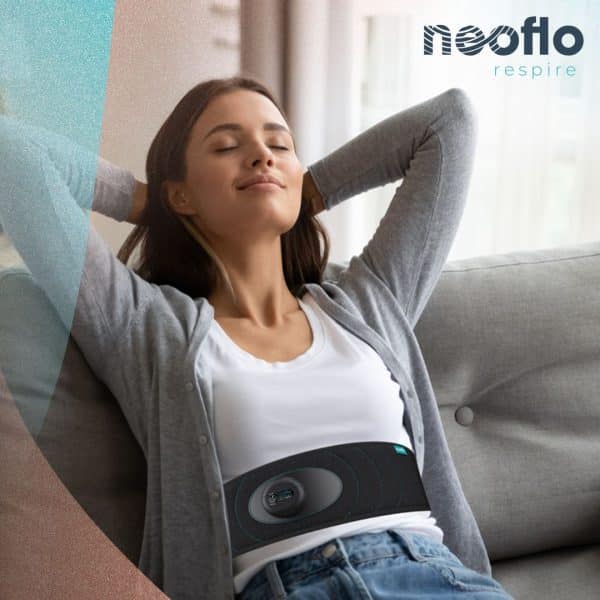
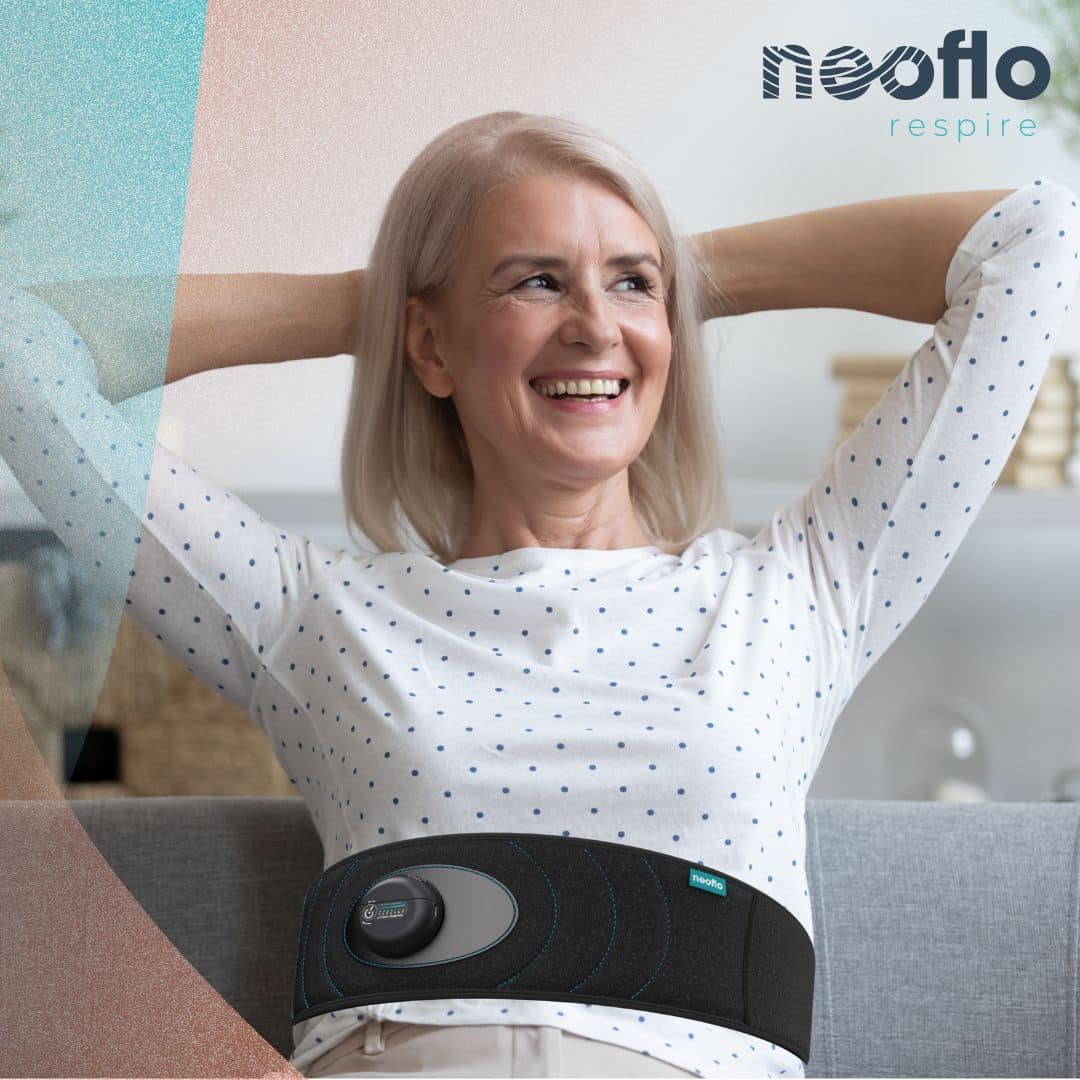
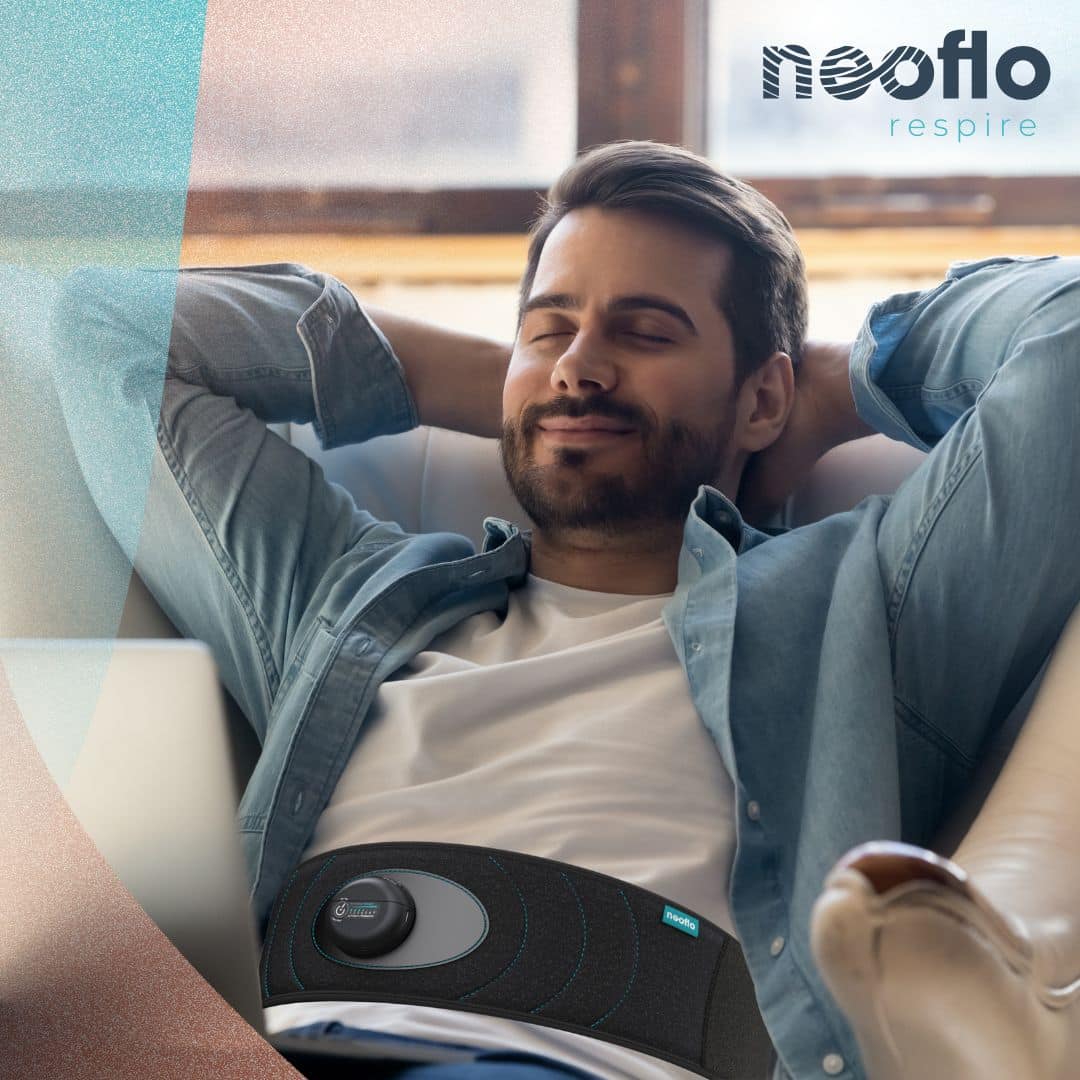
For those who want to take it further, tools such asthe Neoflo breathing beltcan greatly facilitate the practice. This revolutionary belt uses haptic vibrations to guide your breathing intuitively and deeply, without effort. It accompanies your inhalations and exhalations with unique precision, helping you quickly regain a soothing breathing rhythm.
The advantage? Even in the midst of a stressful situation or when feeling suffocated, neoflo allows you to breathe better without having to focus on your breathing.
Take back control of your breathing!
The feeling of suffocation may seem frightening, but it is not inevitable.
By understanding its origin and incorporating breathing techniques into your daily routine, you can regain calm and peaceful breathing. Whether through simple exercises or with the help of tools such as the Neoflo belt, each conscious breath can bring you closer to peace of mind.
Your breath is your ally. Learn to control it and reap all its benefits.