
Article written by Dr. Thomas Cantaloup, Specialist in mental health and sleep medicine
Finally move from "I can't sleep" to Zzzzzzzz?
Sleeping is much more than just rest. It is a vital process that orchestrates our well-being. Memory consolidation, immune system strengthening, metabolism regulation... all of this takes place during the night.
But here's the thing: in an increasingly fast-paced world, getting a good night's sleep has become a luxury. Stress, screens, hectic lifestyles... The result? Fatigue, irritability, and poor health. If this sounds familiar, you're not alone. Sleep disorders affect everyone.
The good news? It is possible to sleep better. Often, all it takes is a few small adjustments to our habits to finally find our way back to restful sleep.
Ready to rediscover the power of a good night's sleep? Here are 12 tips to follow right now!

1. Listen to your body's signals
Don't fight the signs of sleepiness: yawning, tingling eyes, heavy eyelids, feeling cold... These are signs your body is sending you to indicate that it is ready to rest. Ignoring these signals can disrupt your sleep cycle and make it more difficult to fall asleep.
Be careful not to confuse this with simple end-of-day fatigue, which is not a sufficient signal to go to bed if you want to fall asleep quickly.
2. Maintain regular schedules for a stable biological clock
Try to get up at set times every day, even on weekends. Getting up at the same time every day is the only factor you can consciously control (unlike the time you fall into a deep sleep). This has a synchronizing effect on your sleep-wake cycle, making it easier to fall asleep at night and wake up feeling more rested the next day.
3. Create a soothing sleep environment
Your bedroom should be a space dedicated exclusively to sleep and relaxation. To achieve this, make sure it stays cool (ideally 66°F), well ventilated, dark, and quiet. A calm, dark environment naturally stimulates the production of melatonin, the sleep hormone, and improves the quality of your night's sleep. Avoid eating, working, or spending time in your bedroom before going to sleep.
4. Avoid stimulants in the afternoon
Caffeine and theine (they are the same molecules) are stimulants that can prolong wakefulness and delay sleep. Stop drinking coffee, tea, soda, or energy drinks after 4 p.m. If you really want to drink something at the end of the day, opt for a small amount of herbal tea, which can help prepare your body for sleep.
5. Manage your physical activity to optimize sleep
Regular physical activity is excellent for your health and improves sleep quality, but be careful when you exercise. Intense exercise after 8 p.m. can delay sleep. It is best to exercise in the morning or early afternoon to reap all the benefits without disrupting your night's sleep.
6. Eat a light meal in the evening for a peaceful night's sleep.
A heavy meal in the evening can slow down digestion and disrupt your sleep. Opt for a light dinner at least two hours before bedtime to avoid acid reflux and other nighttime discomforts. Similarly, watch your alcohol consumption, which, although it may seem relaxing, disrupts the sleep cycle by increasing nighttime awakenings and sleep apnea.
7. Reduce screen time before bedtime
The blue light emitted by television, computer, and phone screens slows down melatonin production, making it harder to fall asleep. To promote quality sleep, turn off your screens at least one hour before bedtime. Social media and interactions on these platforms also send the wrong message to your brain, telling it that the day is far from over.
8. Establish a relaxation ritual at bedtime
Creating a calming ritual can signal to your body that it's time to prepare for rest. Practice breathing exercises such as coherent breathing, do a little meditation, or read a few pages of a book. This moment of calm and disconnection promotes sleep by reducing the stress accumulated during the day.
9. Use naps sparingly
If you feel the need to rest during the day, opt for a micro-nap of less than 30 minutes, ideally before 4 p.m. This type of quick nap can revitalize you without interfering with your nighttime sleep, giving you a boost of energy while respecting your biological rhythm. Be careful not to sleep too much so that you still have enough sleep debt at the end of the day!
10. Focus on the quality of sleep rather than the quantity
Rather than counting the hours of sleep, focus on its quality. Good sleep is characterized by falling asleep quickly, few nighttime awakenings, and feeling rested upon waking. If your sleep is of high quality, your body will recover effectively, regardless of the exact duration.
11. Respond gently to insomnia
If you are still awake after 20 minutes in bed, there is no point in lying there. Get up and choose a quiet activity in another room, such as reading or breathing exercises, in a relatively dimly lit environment. When you feel the signs of sleepiness mentioned above, go back to bed. This method will help reduce anxiety related to insomnia, keep your bed cool enough, and dissociate the bedroom from "the place where you don't sleep."

12. Breathe with the Neoflo belt
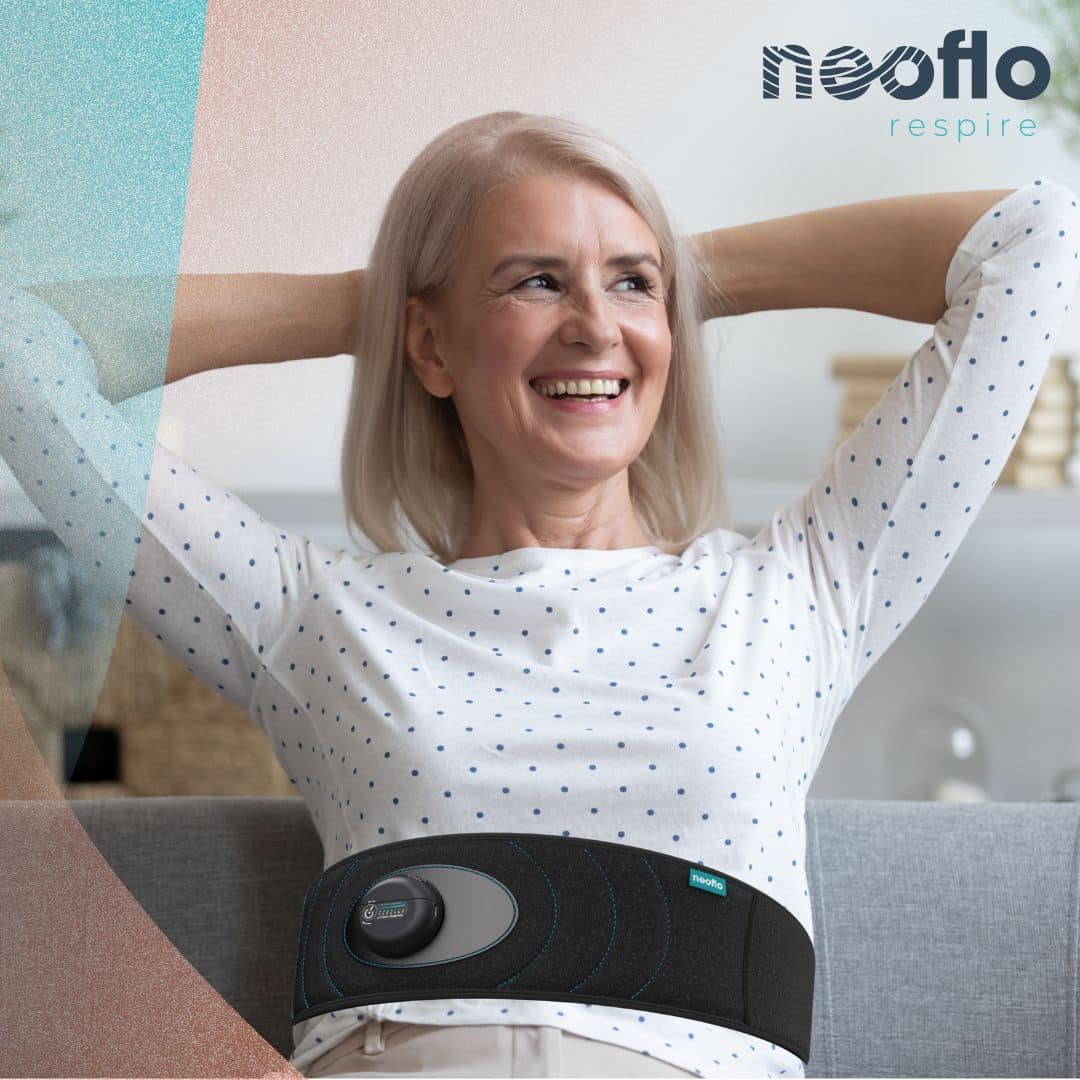
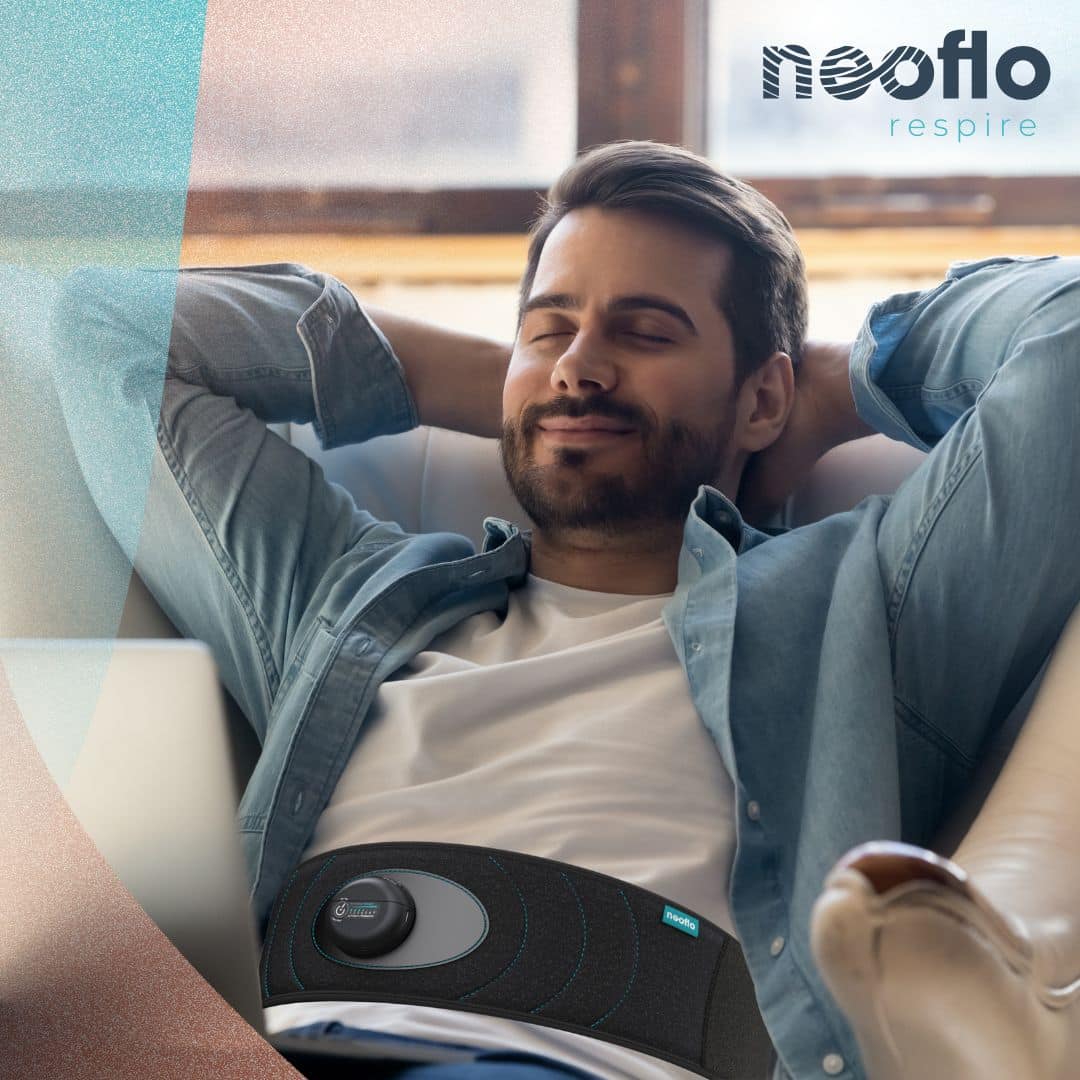
The Neoflo breathing belt is a unique innovation. It is designed to reduce stress and improve sleep quality through abdominal breathing and coherent breathing techniques.
Here are 5 reasons to breathe with neoflo:
1. Fall asleep faster
Abdominal breathing is an effective technique for calming the mind and relaxing the body, making it easier to fall asleep. With neoflo, you are guided to adopt this deep breathing technique without having to concentrate.
2. Reduction in nighttime anxiety
Stress and anxiety are major factors that disrupt sleep. Practicingcoherent breathing, which synchronizes breathing and heart rate, can help calm and prepare the body for a peaceful night's sleep. The Neoflo breathing belt makes this technique easy and accessible.
3. Improved sleep quality
neoflo doesn't just help you fall asleep, it also seeks to improve the quality of your sleep. With more regular, abdominal breathing, our users report deeper, more restful sleep, waking up each morning feeling refreshed and revitalized.
4. Easy to incorporate into your nighttime routine
To maximize the benefits of conscious breathing, it is important to incorporate it into your nighttime routine. With neoflo, this becomes simple. Just put on the belt before going to bed and let the technology guide you into a state of deep relaxation. Whether you are reading a book, listening to music, or meditating, neoflo fits perfectly into your evening habits.
5. Scientifically validated for well-being
Abdominal breathing and coherent breathing techniques are coherent breathing just fads; they are backed byscientific researchthat demonstrates their benefits for sleep and overall well-being. The neoflo breathing belt incorporates these proven techniques, providing you with a reliable tool to improve your health and quality of life.