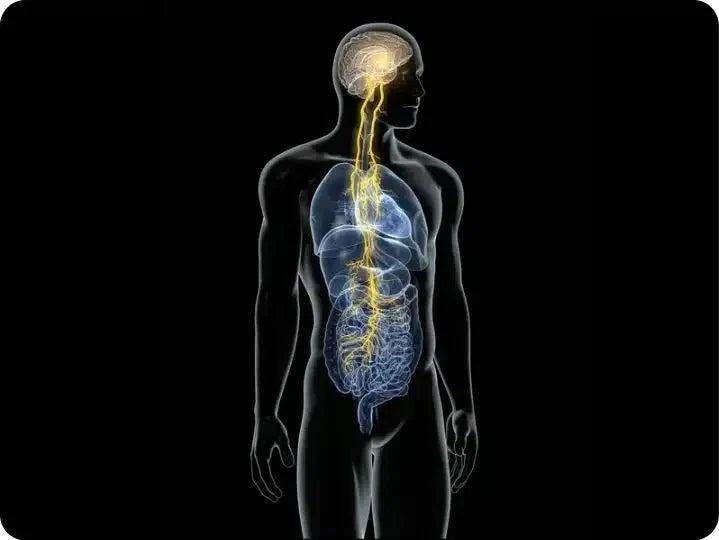
Breathing to manually stimulate the vagus nerve
Stress, insomnia, and digestive discomfort are often signs of an imbalance in the autonomic nervous system. The vagus nerve connects the brain to many organs and plays a key role in regulating these conditions.

With breathing techniques such as cardiac coherence and abdominal breathing, you can manually stimulate this nerve and benefit from a natural way to restore calm and balance—without the need for implanted medical devices or medication.
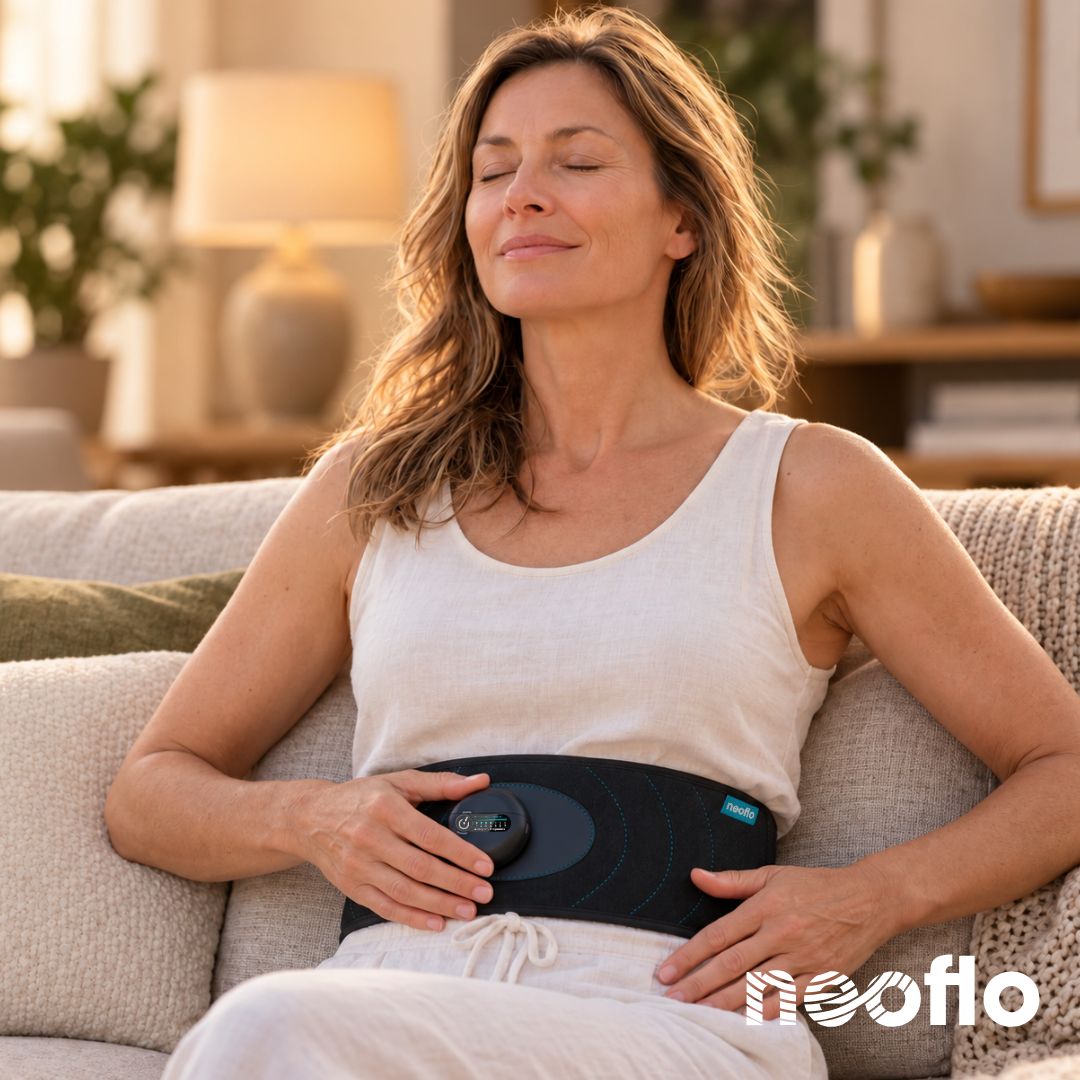
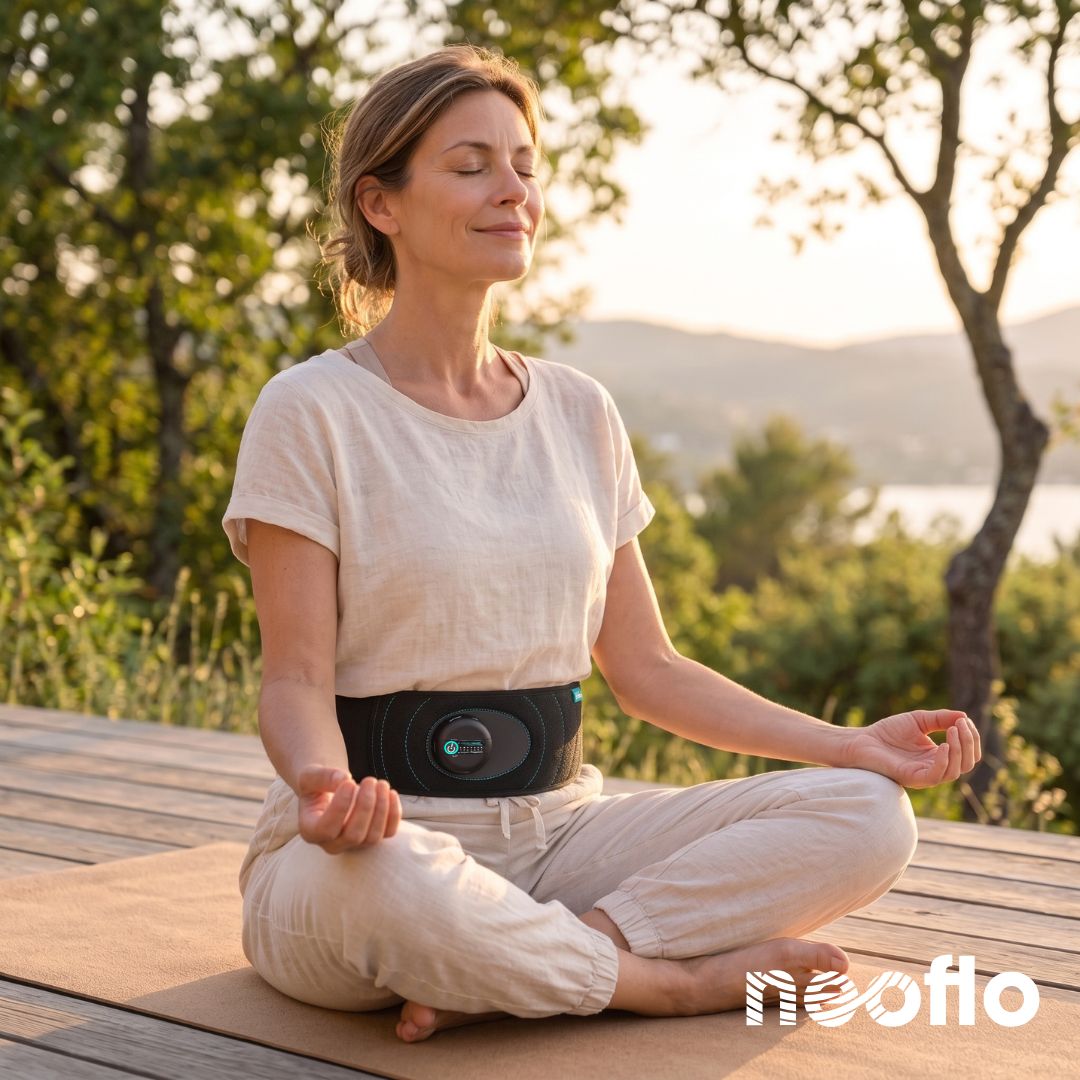
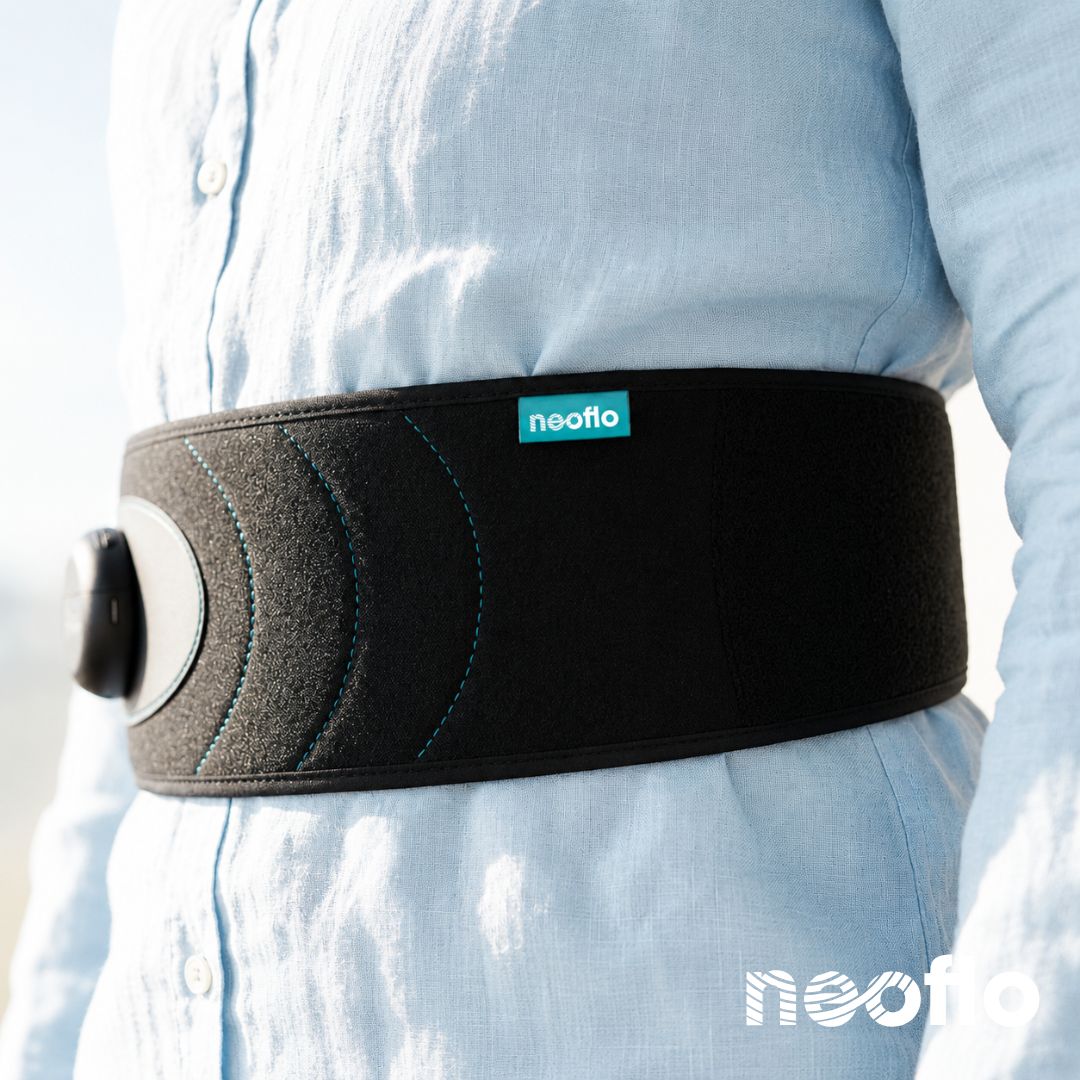
To help you practice regularly and easily at the level that brings about transformation—what neoflo calls the vagus nerve deep breathing (20 minutes a day)— neoflo has developed the world’s first touch-guided breathing belt.

Here are 5 reasons to take action right now with the help of the neoflo breathing belt.

1. Reduce stress naturally
The vagus nerve acts as a natural stress buffer. When activated, it reduces cortisol production, slows the heart rate, and helps you regain your composure. A study by Ma et al. (2017, Frontiers in Psychology) documented a significant decrease in salivary cortisol after 8 weeks of daily diaphragmatic breathing practice.
With " neoflo ": Thanks to its haptic vibrations, the belt guides your abdominal breathing by directly stimulating the diaphragm, a key area for activating the vagus nerve. In 20 minutes, stress subsides—and with regular practice, your baseline vagal tone is strengthened over the long term.

Free stress check
Is your body stuck in alert mode?
Find out how you're handling stress, and whether breathing exercises can help you take the pressure off.
Start my stress check🎁 Get an exclusive discount on neoflo
2. Improve your digestion
An active vagus nerve aids digestion by stimulating bowel movements and reducing abdominal tension. It is ideal for soothing the stomach during times of stress. A study by Halland et al. (2021, Mayo Clinic) even found an 86% reduction in postprandial reflux episodes among patients who practice abdominal breathing daily.
With “ neoflo ”: By helping you breathe deeply in time with cardiac coherence and by relaxing your abdominal muscles, “ neoflo ” naturally supports better digestive function.
3. Ease anxiety and intrusive thoughts
Proper stimulation of the vagus nerve helps slow down the mind and calm ruminative thoughts. The seminal 2020 meta-analysis by Lehrer (based on 58 randomized clinical trials) documents an effect onanxiety that is “comparable to established treatments.” The result: better emotional regulation and a renewed sense of calm.
With " neoflo ": the belt guides you through intuitive breathing cycles, perfect for calming the body and mind without requiring any mental effort—especially valuable for people prone to anxiety who find phones and screens distracting.

4. Get a good night's sleep
By stimulating the vagus nerve, you prepare your body and mind to fall asleep more easily. Deep breathing acts as a natural signal for rest. The 2019 Laborde study (Journal of Clinical Medicine) shows that a daily practice over 30 days significantly improves sleep quality as measured by the PSQI index.
With neoflo: When used before bedtime, the belt reduces tension and slows your heart rate, creating conditions conducive to deep sleep. See our page onstress-related insomnia.
5. Boost your overall well-being
The vagus nerve also helps reduce inflammation (via the anti-inflammatory cholinergic pathway), regulate blood pressure, and boost immunity. The Cheng 2026 meta-analysis (13 studies, 1,097 patients) documents an average decrease of −7.7 mmHg in systolic blood pressure with daily slow breathing. The review by Sevoz-Couche & Laborde (2022, Neuroscience & Biobehavioral Reviews) confirms: regular activation of the vagus nerve is a concrete step toward better overall health.
With " neoflo ": By incorporating vagal stimulation into your daily routine, you’re adopting a simple and sustainable way to take care of your body and mind.

Why " neoflo "?
neoflo makes vagus nerve stimulation accessible to everyone, at the transformative dose— vagus nerve deep breathing 20 minutes a day.
Its haptic vibration technology intuitively and effortlessly guides your breathing, delivering fast and lasting results. A study by Bouny et al. (2023, *Sensors*) demonstrated that tactile guidance produces a cardiac coherence index twice as high as visual guidance (0.55 vs. 0.28).
- Easy to use: put on the belt, close your eyes, and breathe.
- Quick results: noticeable relaxation from the very first sessions, and improved vagal tone after 4 to 8 weeks.
- Versatile: perfect for reading, meditating, watching a movie, or before bed.
- Credible: designed by a biomedical engineer and a sleep specialist. Bronze medal at the 2024 Concours Lépine.

Start stimulating your vagus nerve today with neoflo
Manually stimulating the vagus nerve is a natural, effective, and accessible way to reduce stress, improve sleep, lower blood pressure, aid digestion, and boost your overall health. With the neoflo breathing belt, this practice becomes intuitive and seamlessly integrated into your daily routine.
To learn more about this topic, check out our comprehensive page on the vagus nerve —its anatomy, signs of low vagal tone, and 8 scientifically proven methods to stimulate it.
Give your body and mind what they deserve: a sense of calm and complete serenity. 🌿
Free stress check
Is your body stuck in alert mode?
Find out how you're handling stress, and whether breathing exercises can help you take the pressure off.
Start my stress check🎁 Get an exclusive discount on neoflo
Discover the " vagus nerve deep breathing " with neoflo
20 minutes a day of touch-guided breathing. No screens, no effort. The scientifically proven practice of cardiac coherence, finally achievable in everyday life.
- ✓ 30-day "money-back guarantee" trial
- ✓ Free shipping within 48 hours
- ✓ 2-year warranty
- ✓ Designed by a biomedical engineer and a physician
- ✓ Bronze Medal, 2024 Lépine Competition
Discover the " neoflo " belt →
neoflo This is not a medical device and is not a substitute for medical advice. If symptoms persist, consult a healthcare professional.