
When breathing becomes a struggle
The diaphragm is the cornerstone of our breathing. It works tirelessly to keep us alive. But sometimes, this vital muscle can “seize up.”
That feeling of a tight diaphragm is frustrating: it feels like you’re being held back, as if an invisible barrier were preventing air from filling your lungs. If you’re familiar with this discomfort, don’t worry: it is possible to release that feeling of tightness and breathe freely again.
Here’s how to understand and overcome the feeling of a tight diaphragm, with 5 practical solutions to help you regain your breath.
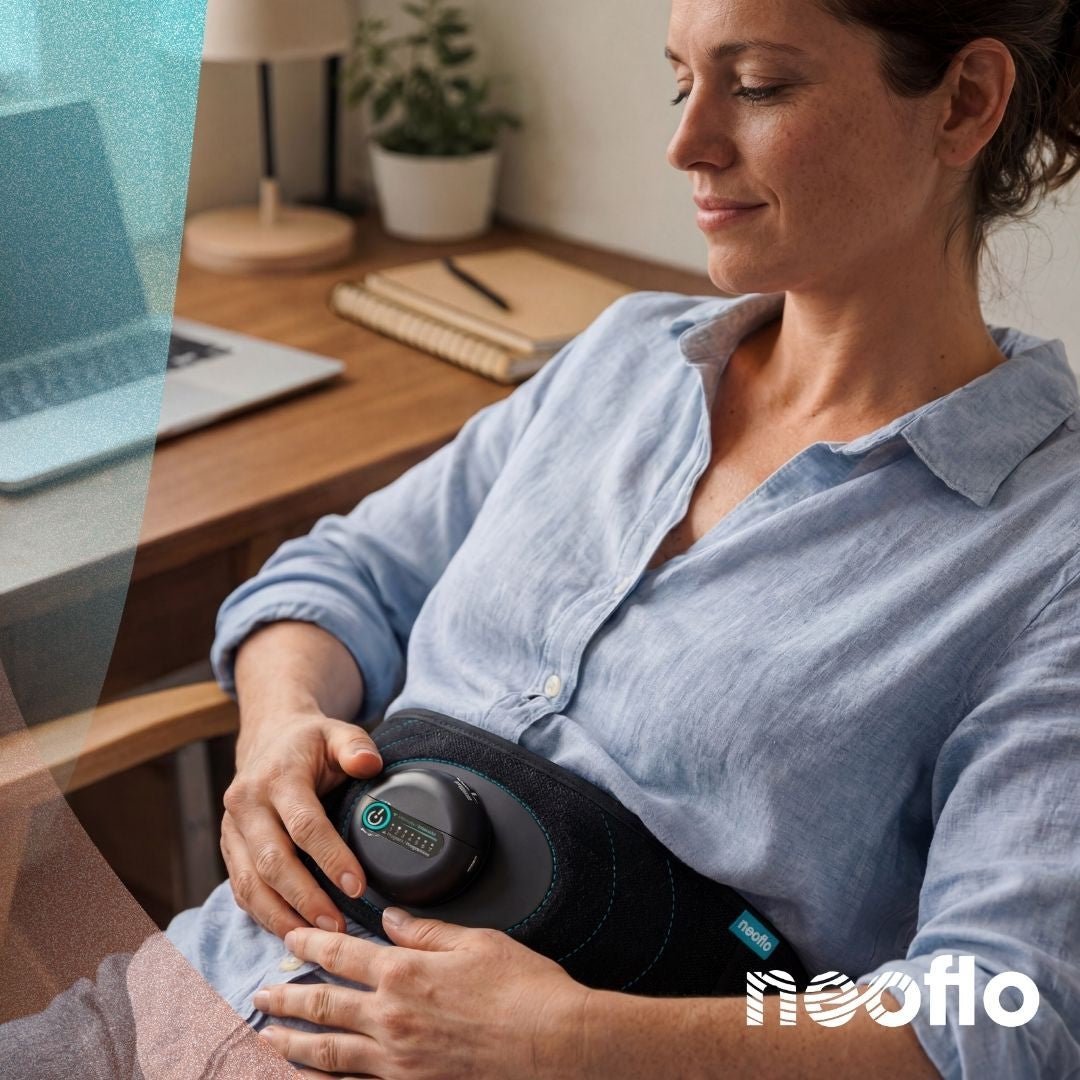
neoflo 's breathing belt will be a valuable aid in practicing your diaphragmatic breathing exercises. It is undoubtedly the best breathing guide for promoting relaxation and muscle release.
Why does it feel like my diaphragm is blocked?
The diaphragm is a dome-shaped muscle that separates the chest cavity from the abdomen. When it functions properly, it acts as a pump to facilitate inhalation and exhalation.
However, various factors can cause a "blockage":
- Chronic stress: Stress causes muscle tension, including in the diaphragm, which can become stuck in a raised position. This is often a sign of a more widespread imbalance in the nervous system.
- Poor posture: Slouching or sitting for too long compresses the diaphragm, limiting its mobility.
- Shallow breathing: Rapid, chest-based breathing—often associated with anxiety—prevents the diaphragm from fully expanding.
- Physical or emotional trauma: These events can create deep-seated tension that affects breathing.
Warning: If you experience severe pain or shortness of breath, consult a healthcare professional to rule out any underlying medical conditions.

The Effects of a Blocked Diaphragm on Your Body and Mind
A blocked diaphragm isn't just a breathing problem. It can have far-reaching consequences:
- Chronic fatigue: Inefficient breathing limits oxygen intake, which can leave you feeling exhausted.
- Increased stress: Shallow breathing stimulates the sympathetic nervous system, heightening feelings of alertness and anxiety.
- Muscle pain: Tension around the diaphragm can radiate to the back, shoulders, and even the neck.
The good news? By relaxing your diaphragm through breathing exercises, you can restore optimal breathing and overall well-being.
5 simple exercises to relax your diaphragm
1. Guided abdominal breathing
Lie on your back with one hand on your stomach and the other on your chest. Breathe in slowly through your nose, letting your abdomen expand like a balloon, then breathe out gently through your mouth while pulling your stomach in. This movement restores the diaphragm’s natural mobility and directly stimulates the vagus nerve, the main pathway of the parasympathetic nervous system.
For more information, check out our comprehensive guide to abdominal breathing: technique, benefits, and exercises.
neoflo Tip: The neoflo breathing belt helps you with this exercise by providing tactile vibrations in the abdominal area that guide your breathing. Find out how the neoflo breathing belt can help you here.

2. Diaphragm stretches
Stand up straight with your arms raised above your head. Inhale deeply as you stretch upward, then exhale slowly as you lower your arms. This simple stretch helps release tension around your diaphragm.

3. Stimulate the diaphragm through cardiac coherence
Cardiac coherence is not just an anti-stress breathing technique. By regulating and slowing your breathing rate, you help release muscle tension, including in the diaphragm. It is one of the most effective techniques for optimally stimulating the vagus nerve and promoting diaphragmatic mobility.
Be mindful of the duration: short 5-minute sessions provide temporary relief, but it is the 15- to 20-minute sessions each day that bring about lasting changes in the diaphragm and nervous system tone. This is supported by more than 100 clinical trials (Lehrer 2020, Kwon 2025).
4. Self-massage of the diaphragm
Use your hands to gently massage the area below your ribs. Use small circular movements to stimulate the area and release tension.

5. Strengthen your breathing routine with neoflo
To restore proper diaphragm mobility, regular breathing exercises are key.
The neoflo is a unique innovation designed to support your practice of abdominal breathing and deep cardiac coherence. By guiding your breathing through touch, it greatly facilitates slow, deep, diaphragmatic breathing for an effective 20 minutes a day.
It will help you turn every breathing session into a guided and effective experience, perfect for deepening the relaxation of your respiratory muscles without overexertion.

When should you consult a professional?
If the exercises are not enough to relax your diaphragm or if the discomfort persists, it may be helpful to consult a physical therapist or osteopath specializing in respiratory disorders. Medical follow-up may also be necessary if you have associated symptoms (chest pain, shortness of breath).

Breathe, relax, enjoy
The sensation of a tight diaphragm may seem harmless, but it can affect your health more than you realize. The good news is that you can retrain your breathing with simple exercises and tools like the breathing belt neoflo. So take a deep breath: this is the start of your new way of breathing.