
That missing breath
Breathing is the foundation of life. But when every deep breath becomes an effort, it’s as if a silent alarm goes off.
Having trouble taking a deep breath can be unsettling, whether it’s a temporary tightness or a persistent discomfort.
Before you panic, it’s important to understand the possible causes and implement appropriate solutions. In this article, we’ll explain why this problem occurs and how to restore deep, calm breathing through abdominal breathing and nervous system regulation.

Why do I have trouble breathing deeply?
There are several reasons why you might feel frustrated that you can’t “breathe all the way through.” The most common causes include:
- Stress or anxiety: when your mind races, your breathing becomes shallow and irregular. Your diaphragm, the main breathing muscle, can even “freeze up,” making each breath more difficult. In severe cases, this can escalate into a panic attack.
- Poor posture: slouching in front of a screen or spending too much time sitting compresses the rib cage and limits lung capacity.
- A sedentary lifestyle: A lack of physical activity reduces the mobility of your diaphragm and your ability to use your lungs to their full potential.
- Muscle tension: Stress or poor posture can cause tension points around the neck, shoulders, and back, hindering free breathing.
- A dysregulated nervous system: Under chronic stress, your sympathetic nervous system remains constantly activated, which keeps your breathing shallow and restricts the diaphragm’s movement.
Warning: If this difficulty is accompanied by pain, a feeling of tightness, or dizziness, consult a doctor to rule out any serious medical conditions.

5 solutions for better breathing
Fortunately, there are simple and effective ways to release these blockages and restore smooth breathing.
1. Relax your diaphragm with abdominal breathing
Abdominal (or diaphragmatic) breathing is the key to restoring your natural breathing range. Sit comfortably, place one hand on your abdomen and the other on your chest, then inhale slowly through your nose, allowing your lower abdomen to expand (only the hand on your abdomen should rise). Exhale gently through your nose or mouth, allowing your belly to deflate. This technique engages the diaphragm and directly stimulates the vagus nerve, the main pathway of the parasympathetic nervous system.

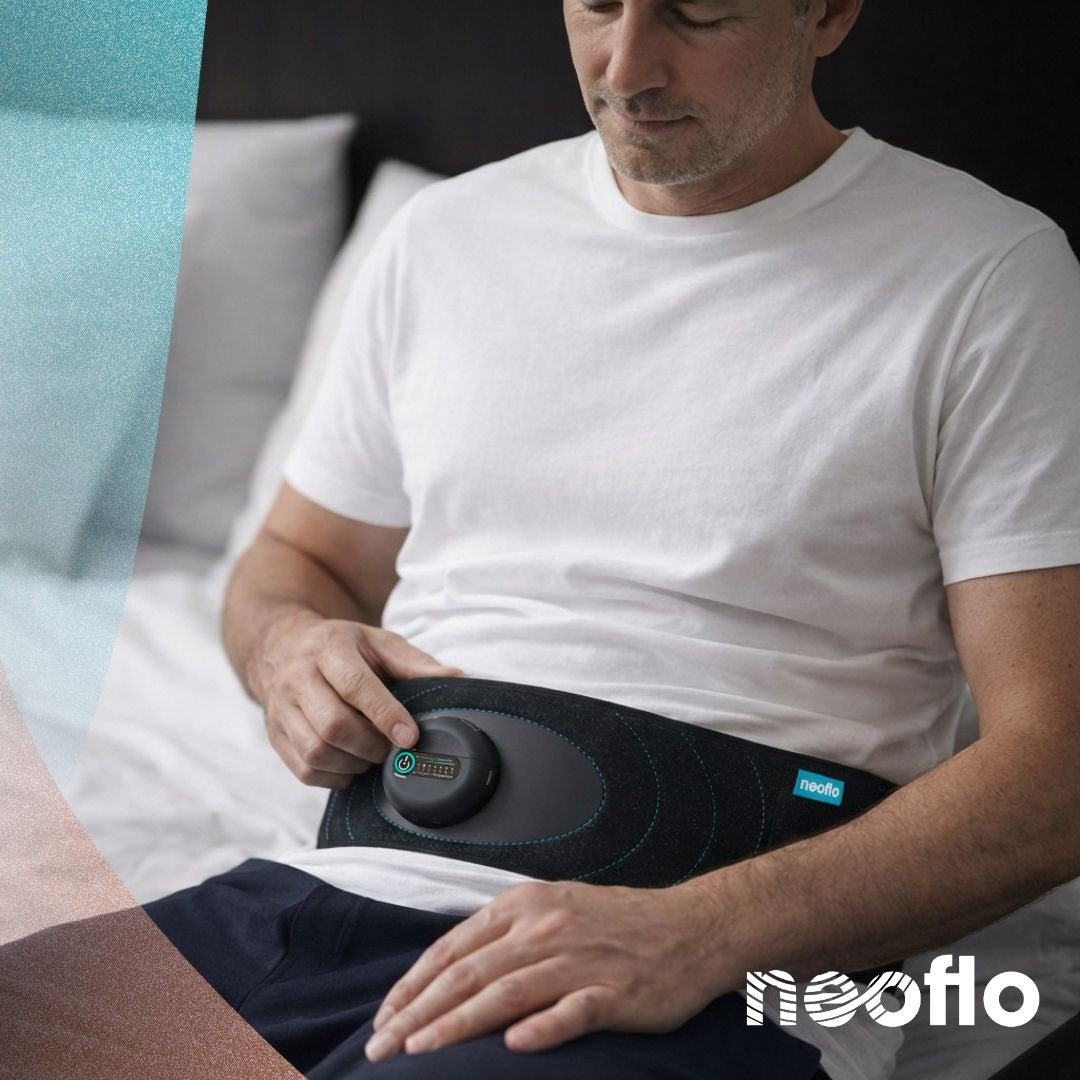
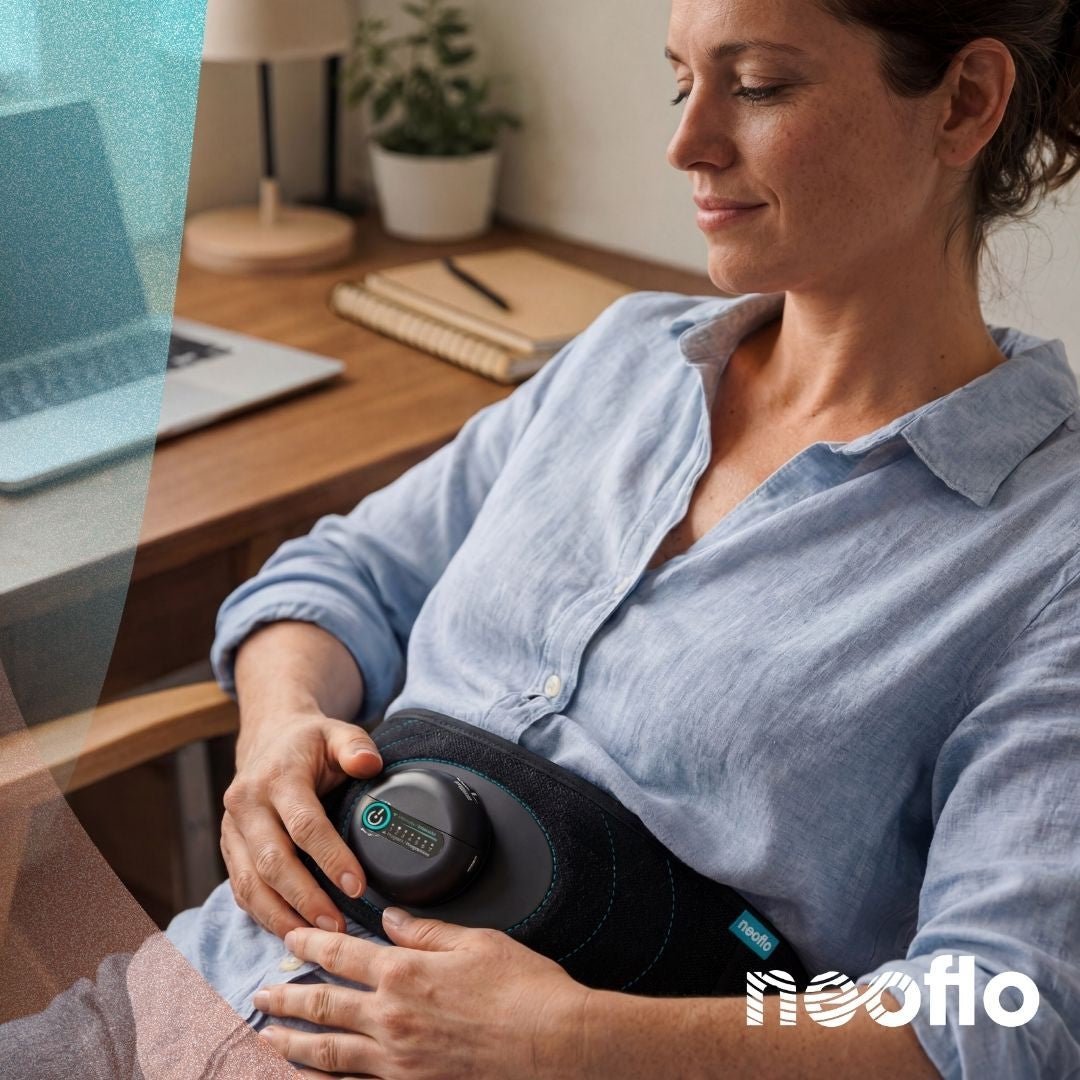
Looking for a step-by-step guide? Discover how the neoflo breathing belt can help you with this exercise thanks to its gentle tactile vibrations that set the rhythm for your inhalations and exhalations—no screen, no mental effort required.
2. Be aware of your posture
Your ribcage needs room to expand fully. If you’re slouching, straighten your back, open your shoulders, and align your head with your spine. To reinforce this posture, incorporate targeted stretches—such as the cobra pose in yoga—or take short breaks to stand up every 30 minutes if you work at a desk.

3. Make cardiac coherence part of your daily routine
Cardiac coherence is one of the most powerful techniques for restoring a steady breathing rhythm while calming the mind. It involves breathing at a rate of 6 cycles per minute (5 seconds of inhalation, 5 seconds of exhalation) using abdominal breathing.
For a one-time effect—to calm a bout of stress or catch your breath after a strong emotional reaction—5 minutes are enough. But to make lasting changes to your breathing capacity and regulate an overworked nervous system, the vagus nerve deep breathing you should aim for: 20 minutes a day for 4 to 12 weeks. This is the regimen validated by more than 100 clinical trials (Lehrer 2020, Kwon 2025).
4. Release physical tension
Gentle massages or self-massage exercises can relieve tension in the muscles around your ribcage and diaphragm. A relaxation session with the neoflo belt enhances this effect by combining guided breathing with deep muscle relaxation.
5. Create a routine to maintain your progress
Breathing deeply is a natural reflex, but it can be disrupted by our lifestyle habits. To prevent the problem from recurring, practice deep breathing for 15 to 20 minutes every day —this is the amount of time needed to bring about a lasting change in the baseline tone of the nervous system. Consistency is the key to retraining your diaphragm and restoring deep, natural breathing as your default, even when you’re not practicing. The neoflo breathing belt, with its 20-minute touch-guided programs, makes this routine simple and enjoyable.

When should you consult a healthcare professional?
If your difficulty taking deep breaths persists despite these adjustments, or if it is accompanied by other symptoms (shortness of breath during physical activity, chest pain, severe fatigue, unexplained weight loss), don’t delay in seeking medical attention. These signs may indicate respiratory conditions (asthma, COPD, allergies) or cardiovascular issues that require medical care. A general practitioner or pulmonologist will be able to guide the diagnosis.
Breathe new life into your daily routine
Having trouble taking a deep breath can be a warning sign, but with the right techniques and regular practice of vagus nerve deep breathing, you can rediscover the pleasure of deep, calming breaths. The neoflo belt makes this practice sustainable in your daily life—screen-free, effortless, and at the effective dose of 20 minutes a day.
Discover the " vagus nerve deep breathing " with neoflo
20 minutes a day of touch-guided breathing. No screens, no effort. The scientifically proven practice of cardiac coherence, finally achievable in everyday life.
- ✓ 30-day "money-back guarantee" trial
- ✓ Free shipping within 48 hours
- ✓ 2-year warranty
- ✓ Designed by a biomedical engineer and a physician
- ✓ Bronze Medal, 2024 Lépine Competition
Discover the " neoflo " belt →
neoflo This is not a medical device and is not a substitute for medical advice. If symptoms persist, consult a healthcare professional.