Cardiac coherence: Your superpower for managing stress and transforming your health
Cardiac coherence is an incredible breathing technique for boosting your well-being and relieving stress.
Backed by science, it affects your nervous system, reduces cortisol (the stress hormone), improves sleep, and boosts your overall health.
But to get the most out of it, you need to make it a daily habit.

This is because cardiac coherence has lasting effects on chronic symptoms such as anxiety, depression, and high blood pressure—provided it is practicedfor 20 minutes a day for at least 4 weeks. This is what neoflo refers to as the vagus nerve deep breathing : the regimen validated by more than 100 clinical trials (Lehrer 2020, Kwon 2025), as opposed to the 5-minute sessions popularized online, which produce only temporary relief.

The new practice guidelines validated by neuroscience are available here.
Don't panic: there are tools that make this practice simple and sustainable. In this article, discover the 5 best cardiac coherence tools tailored to your needs,whether you're a casual beginner or a practitioner looking to transform your health.
Identify your needs to choose the right cardiac coherence tool
Before you start practicing cardiac coherence, take the time to define your goals. Each tool offers specific benefits, and the right choice depends on your needs, your commitment, and your lifestyle. Here are a few questions to help guide you:
- What are your needs? Are you looking to relax, improve your sleep, boost your overall well-being, or prevent health issues related to chronic stress?
- The cause? Occasional stress (before a meeting), chronic stress, persistent insomnia, or physical pain caused by tension?
- What are your goals? A quick workout here and there, or a daily routine with longer sessions to make lasting improvements to your health?
- In what setting? At the office, on public transportation, or at home in the evening before bed?
Once these points have been clarified, you’ll know which type of tool is truly right for you.

1. Mobile applications
Mobile apps are ideal for getting started with cardiac coherence. With visual or audio guidance, a variety of content, and access anywhere—they’re the most accessible way to get started.
Pros: Free or inexpensive, convenient for short 5-minute sessions.
Cons: It’s hard to sustain long sessions while staring at a screen. The screen itself disrupts the parasympathetic nervous system (blue light, notifications, distractions)—exactly what we’re trying to calm.
The must-sees:
- Respirelax+: simple and free, perfect for beginners.
- Petit Bambou: a meditation app that also offers customizable cardiac coherence exercises.

2. Smartwatches
Your smartwatch can remind you of your workouts and track a few metrics. With discreet notifications and visual or haptic feedback on your wrist, it easily fits into your daily routine.
Pros: Convenient for users on the go, for managing occasional stress.
Cons: Analysis is often superficial, the screen gets in the way, and it’s impossible to achieve true immersion during long sessions.
The must-sees:
- Apple Watch: Its "Breathe" app offers simple guided sessions.
- Fitbit Sense: tracks heart rate variability (HRV) and stress levels.

3. Gravel and air stones
For those who prefer a physical tool, breathing stones and devices offer a digital-free experience. They emit lights or vibrations to help you synchronize your breathing.
Pros: Discreet and soothing, perfect for occasional use at home.
Cons: Less customizable, limited immersion, and some (Moonbird) go against scientific evidence by offering a custom frequency rather than the clinically validated 6 cycles per minute.
The must-sees:
- Dodow: a pulsating light projected onto the ceiling to help you fall asleep.
- ZenSpire: a pebble that vibrates, glows, or plays sounds—whatever you prefer.
- Moonbird: a handheld touchscreen device designed to guide breathing.

4. The " neoflo " belt: a tool designed for the vagus nerve deep breathing
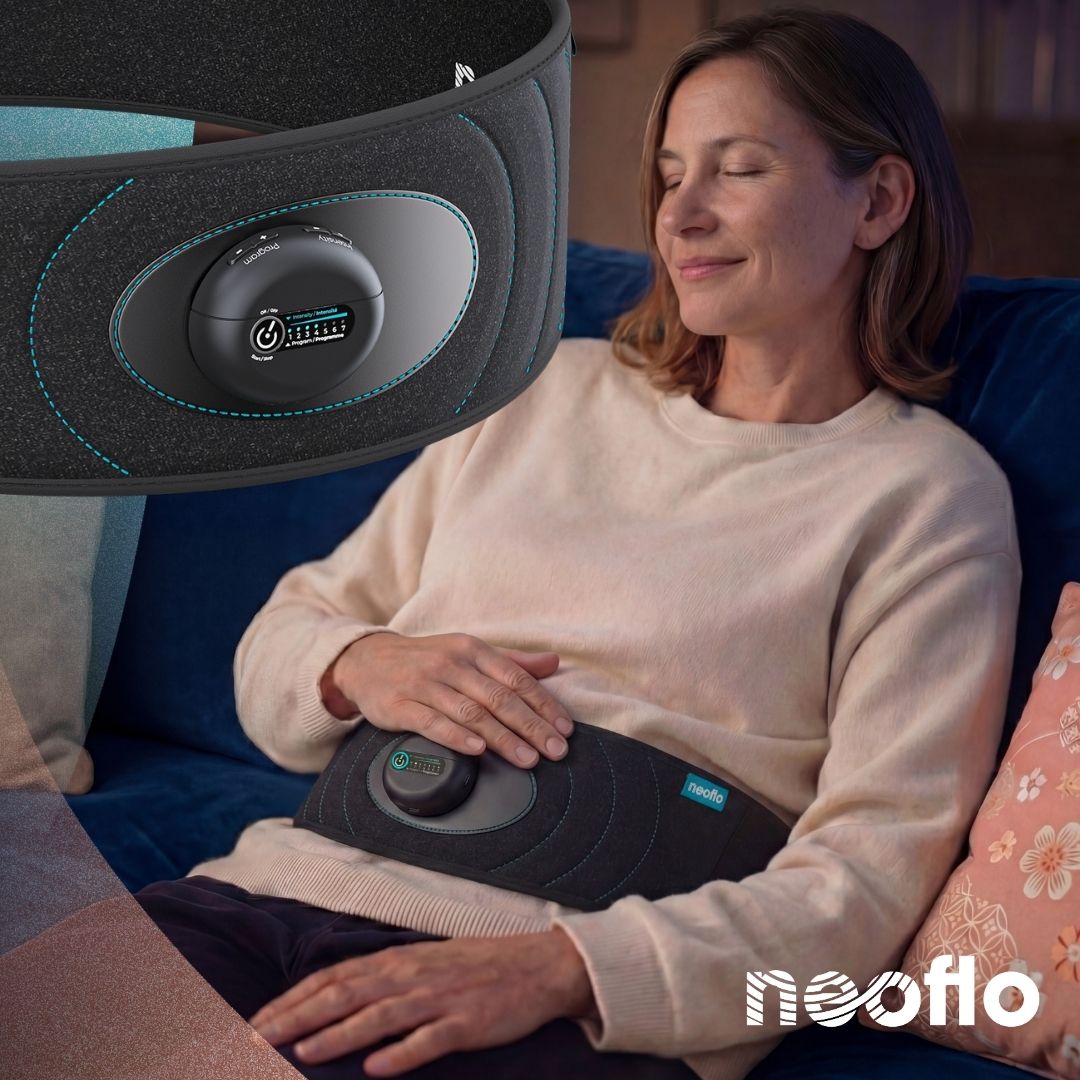
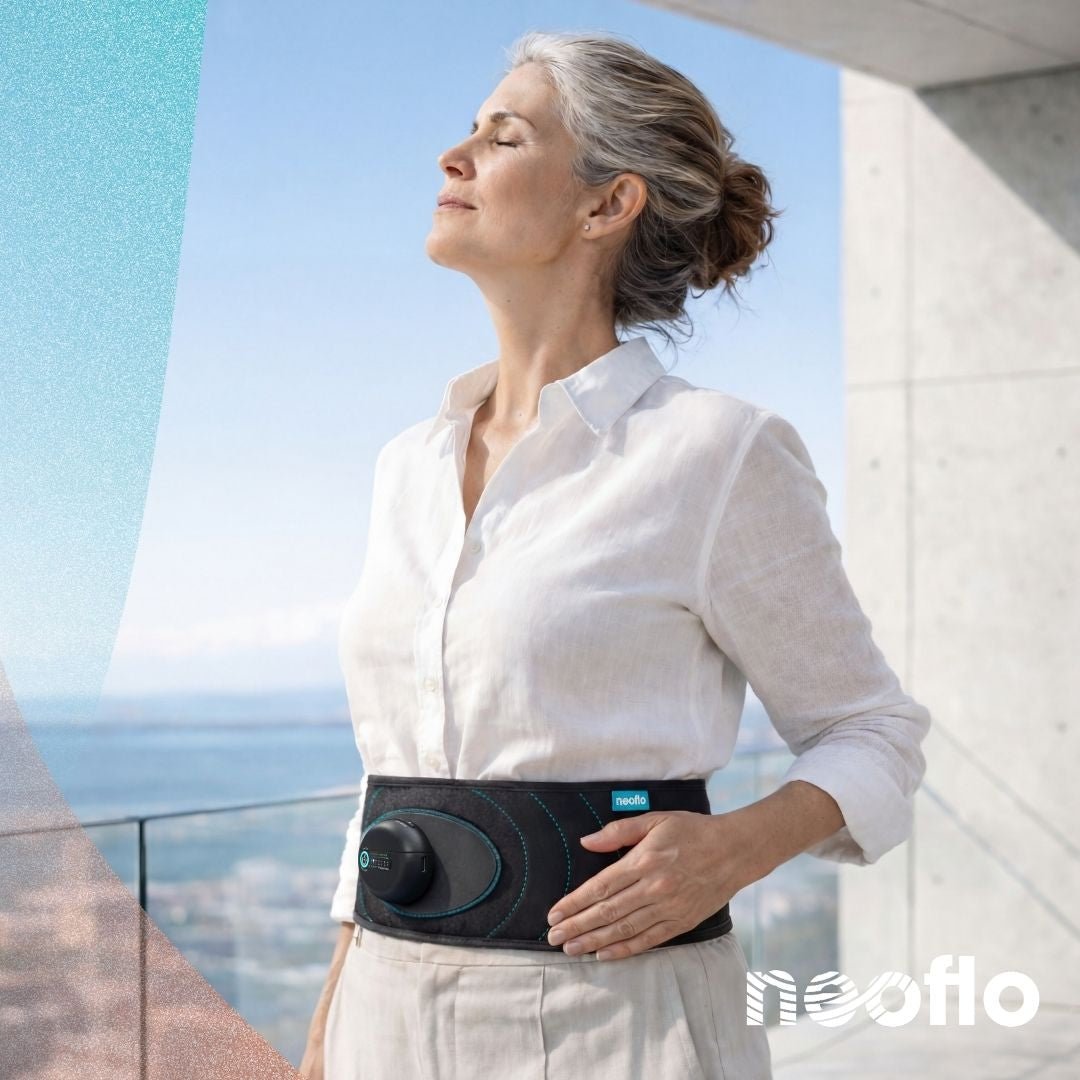
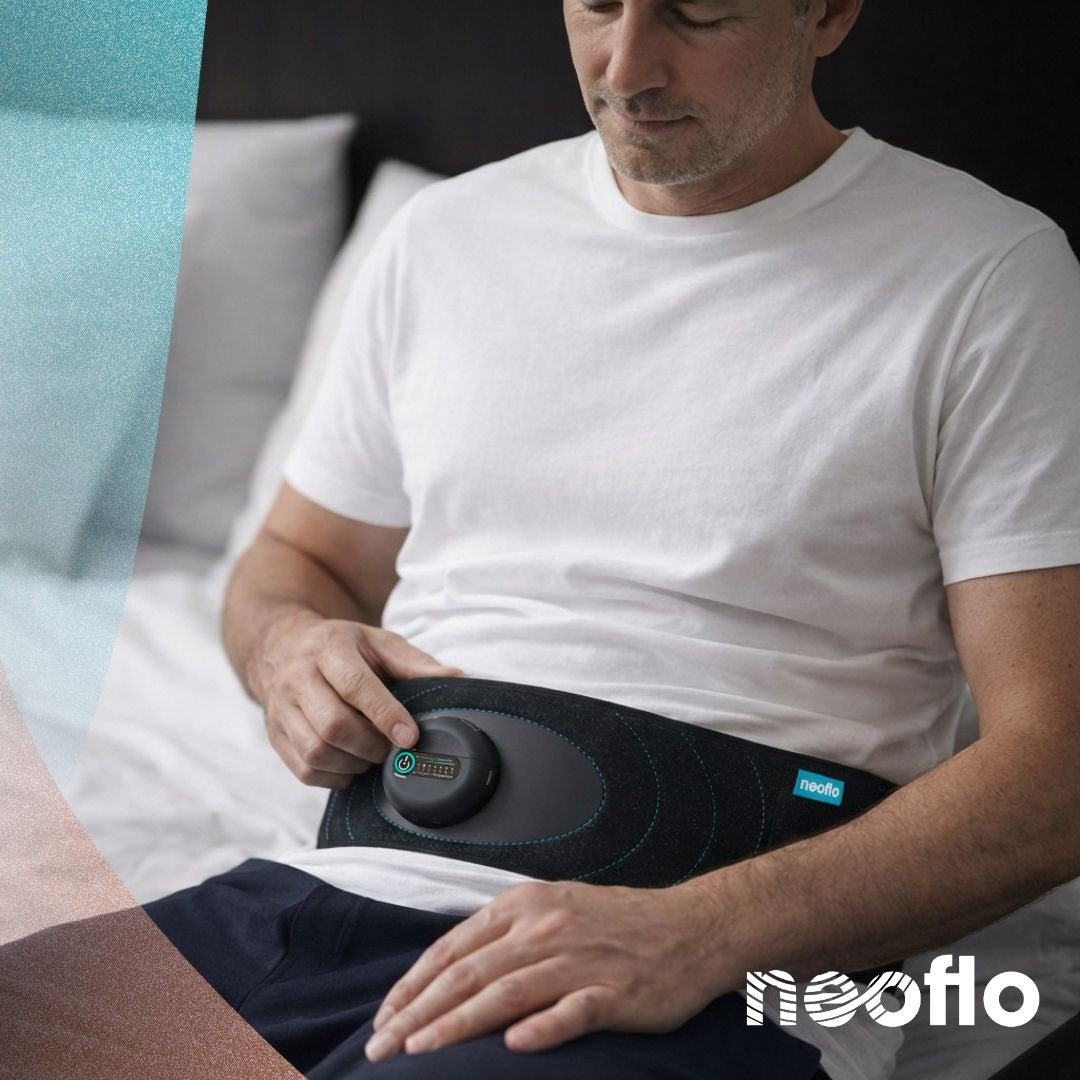
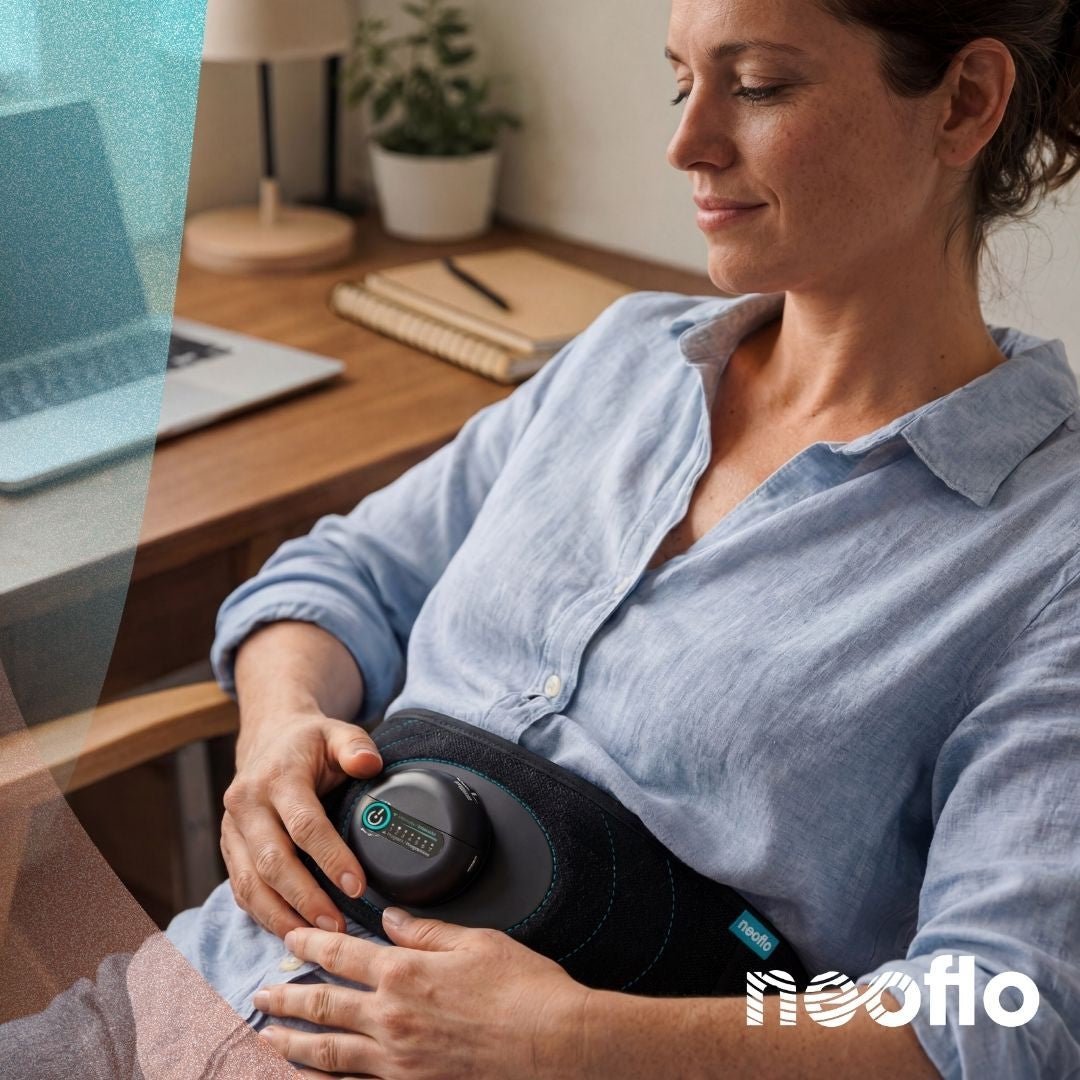
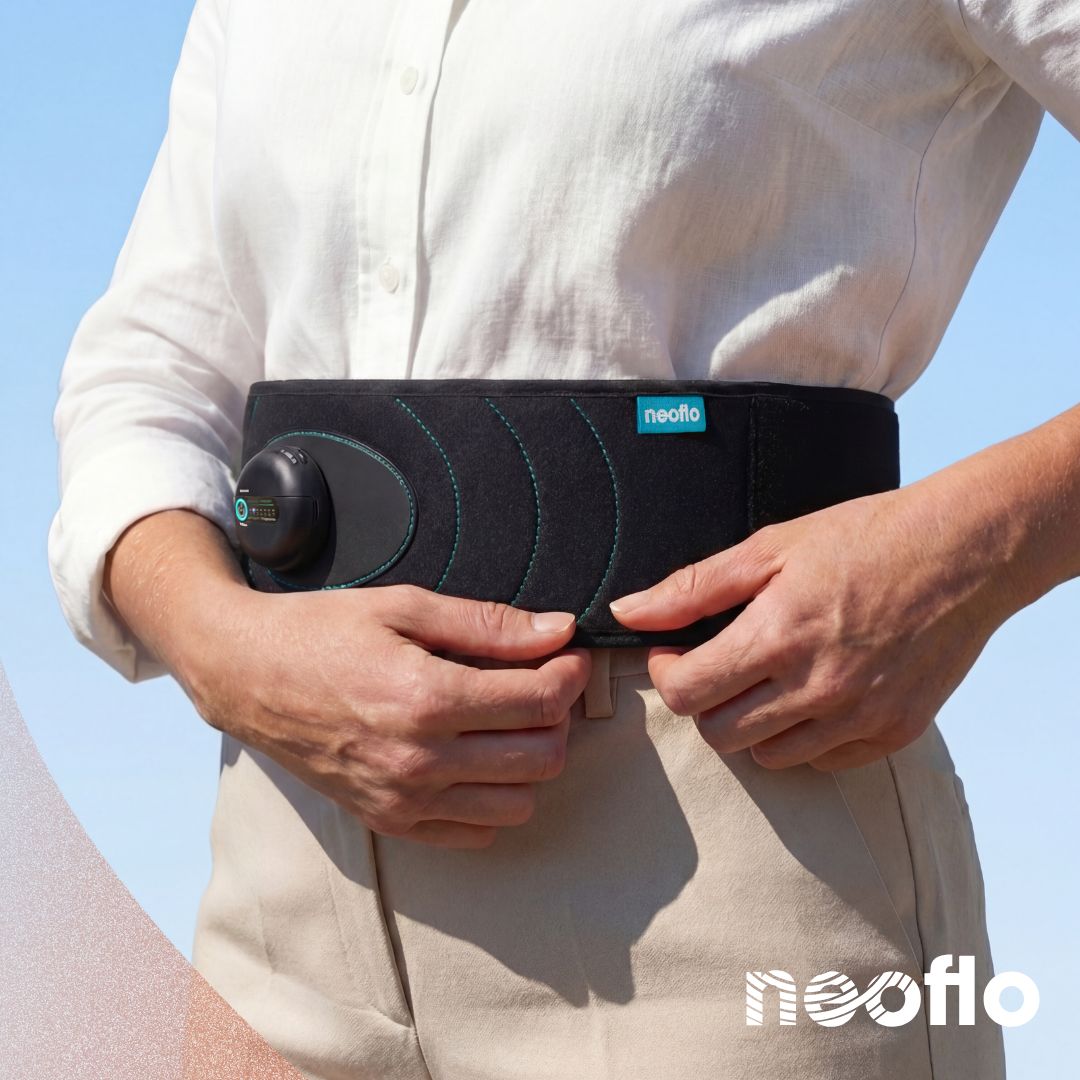
neoflo is the world’s first device designed specifically for a standardized 20-minute daily practice—the scientifically validated dosage. Three vibro-tactile motors placed on the abdomen guide your breathing through touch, without a screen or app, promoting true abdominal breathing and deep stimulation of the vagus nerve.

L'étude de Bouny et al. (2023, revue Sensors) a démontré que le guidage tactile produit un index de cohérence cardiaque deux fois supérieur au guidage visuel (0,55 vs 0,28, p < 0,05). Le toucher guide mieux que l'écran — et c'est ce qui rend les séances longues enfin tenables.
Unique advantages:
- Total immersion: you close your eyes; you don't have to count or think.
- Long-lasting effects: designed for 20 minutes a day—the dose that truly transforms chronic anxiety, sleep, blood pressure, and pain.
- No screen, no app: a completely offline device with 10 hours of battery life and USB-C.
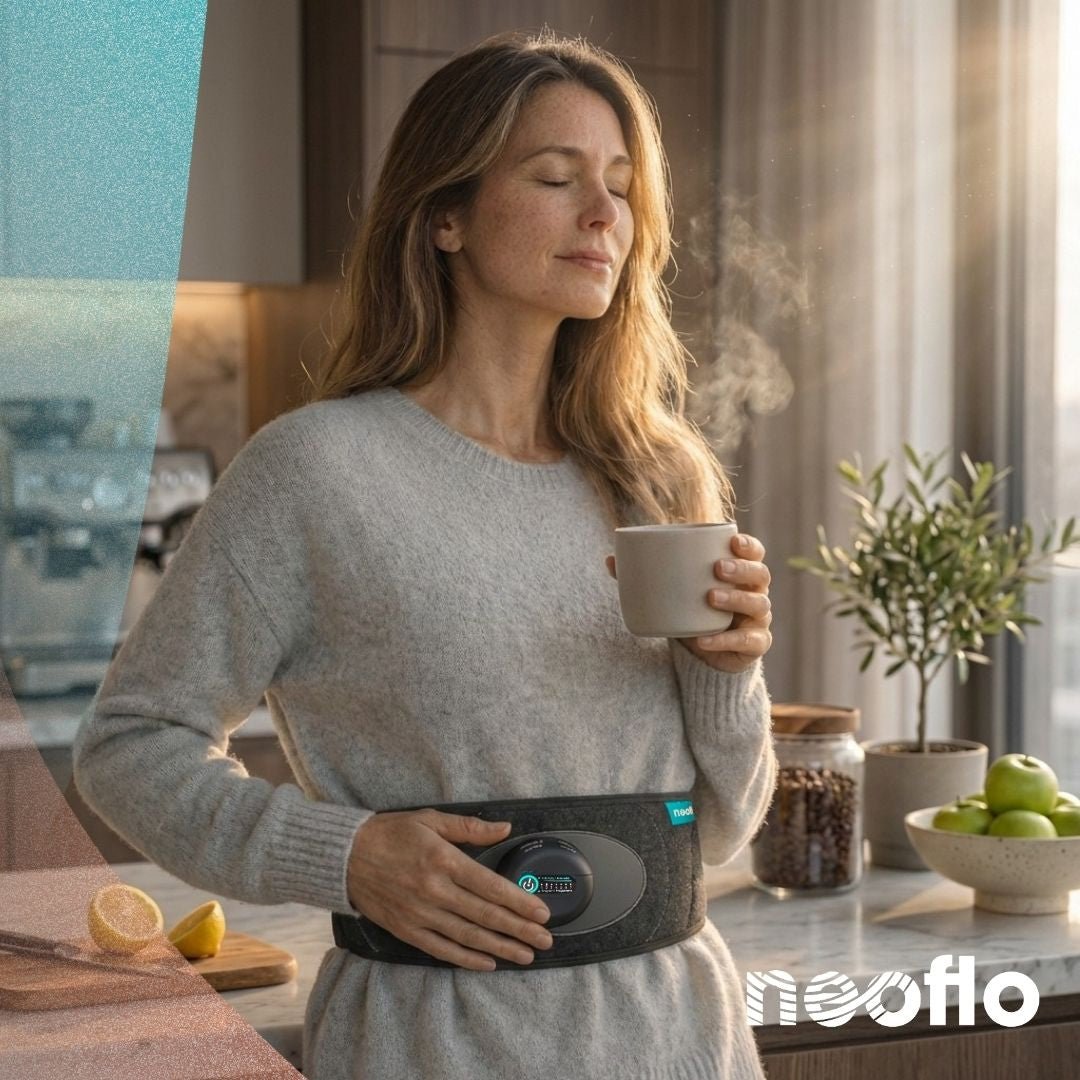
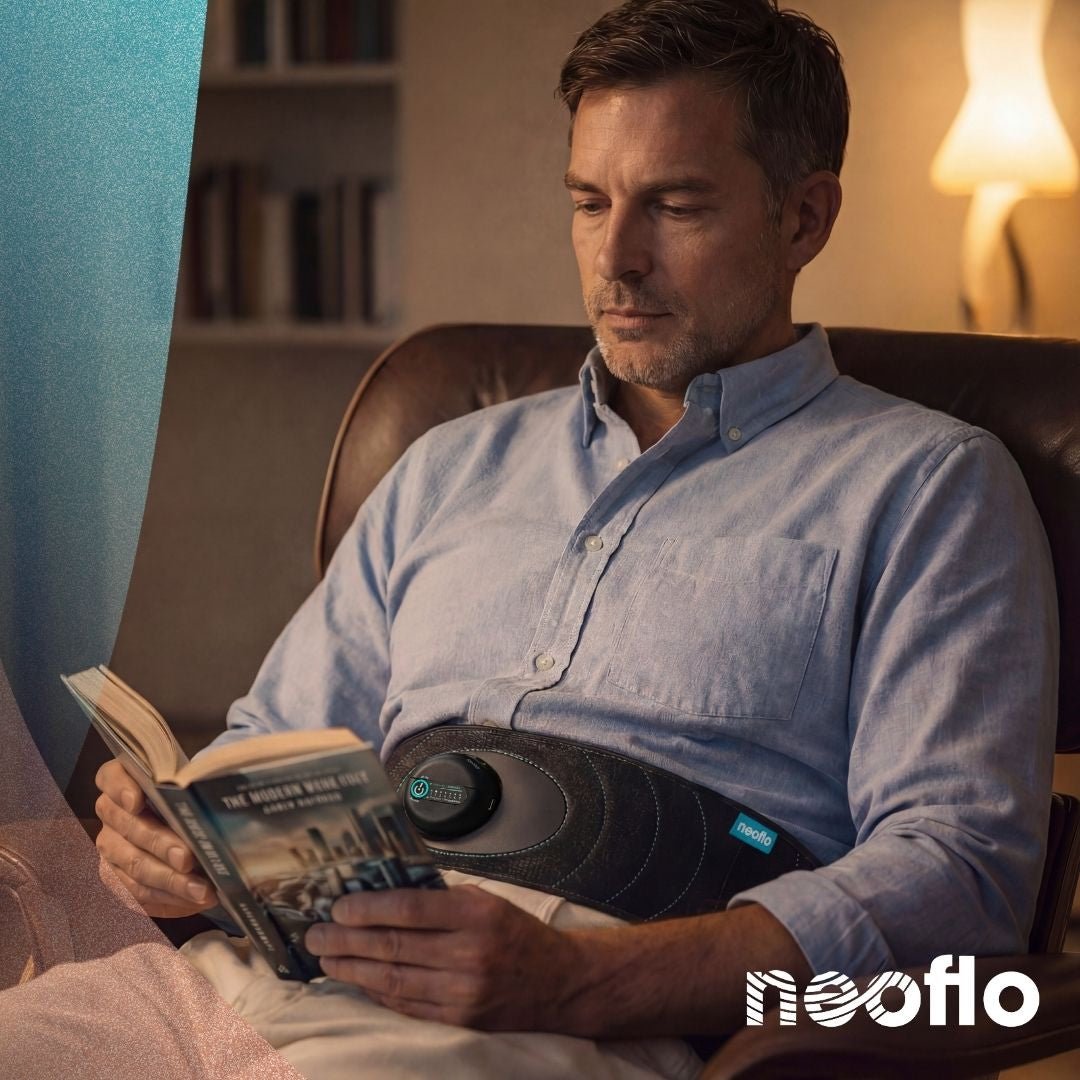
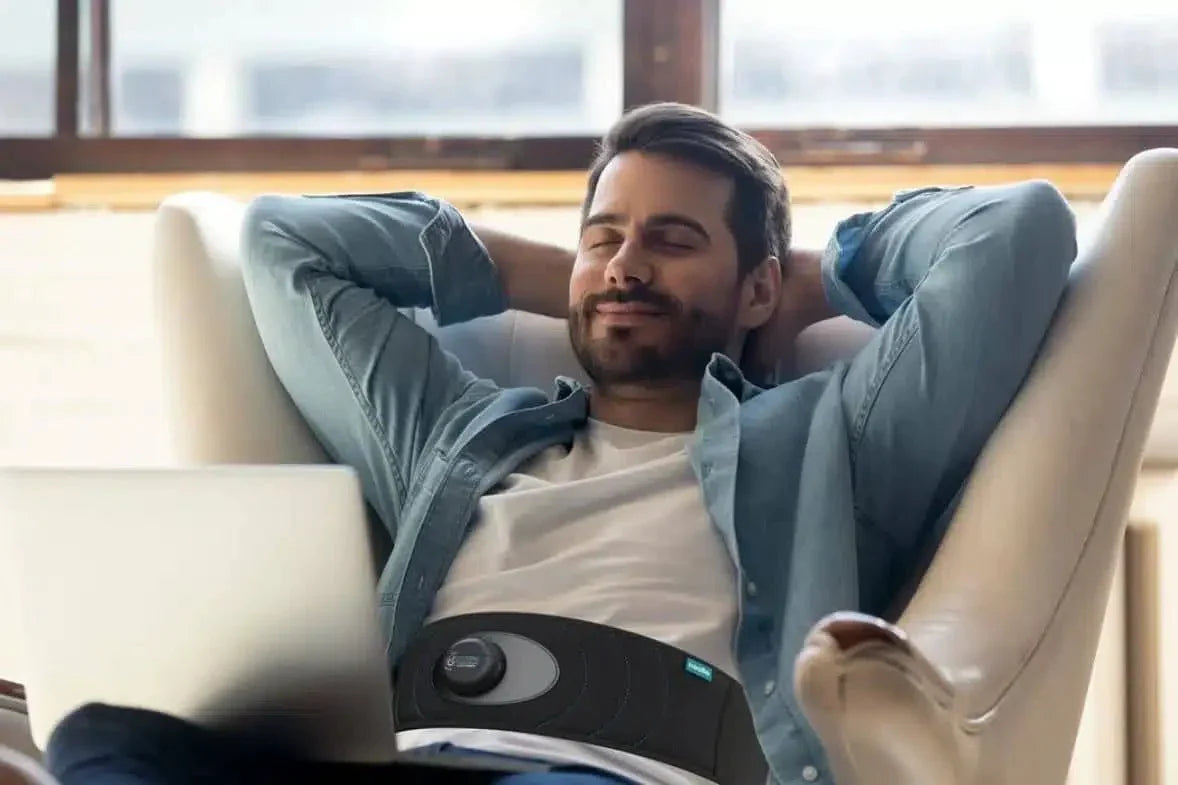
- Versatility: can be used anywhere—at the office, at home, while traveling, or lying in bed at night.
- Clinical credibility: developed by a biomedical engineer and Dr. Thomas Cantaloup, a physician specializing in sleep and mental health. Bronze medal at the 2024 Lépine Competition.
The pros: a smooth and intuitive experience for effortless 20-minute sessions. The only tool designed for abdominal breathing and effective dosing. Highly recommended by professionals and therapists.
The cons: requires an initial investment—which pays for itself within the first few weeks thanks to its long-lasting health benefits.

5. Biofeedback tools: for data enthusiasts
If you enjoy analyzing data, biofeedback tools measure heart rate variability (HRV) and provide detailed tracking. Ideal for athletes, biohackers, and professionals who want to objectively track their progress.
The must-sees:
- HeartMath Inner Balance: real-time analysis of breathing patterns and HRV.
- Emwave Pro: a more comprehensive tool designed for therapists and coaches.
Pros: Education on cardiac coherence and HRV, objective tracking of progress.
Cons: Steeper learning curve, variable reliability of consumer-grade sensors.

Find the tool that fits your needs
Whether you're a fan of minimalism or a tech enthusiast, there's a cardiac coherence tool out there that's perfect for you. The simple rule:
- Occasional short sessions → mobile app or smartwatch
- Sleep mode → physical button or switch
- Sports / Performance → HRV Biofeedback
- A 20-minute daily routine to bring about lasting health improvements → the neoflo belt, the only one designed for vagus nerve deep breathing
If you're looking for a smooth, immersive practice that has a deep effect on anxiety, sleep, or blood pressure, the neoflo belt stands out for its simplicity and lasting impact. It's the tool that makes it possible to maintain the scientifically validated dosage.


Discover the " vagus nerve deep breathing " with neoflo
20 minutes a day of touch-guided breathing. No screens, no effort. The scientifically proven practice of cardiac coherence, finally achievable in everyday life.
- ✓ 30-day "money-back guarantee" trial
- ✓ Free shipping within 48 hours
- ✓ 2-year warranty
- ✓ Designed by a biomedical engineer and a physician
- ✓ Bronze Medal, 2024 Lépine Competition
Discover the " neoflo " belt →
neoflo This is not a medical device and is not a substitute for medical advice. If symptoms persist, consult a healthcare professional.