coherent breathing exercise coherent breathing 6 essential recommendations based on new discoveries in neuroscience
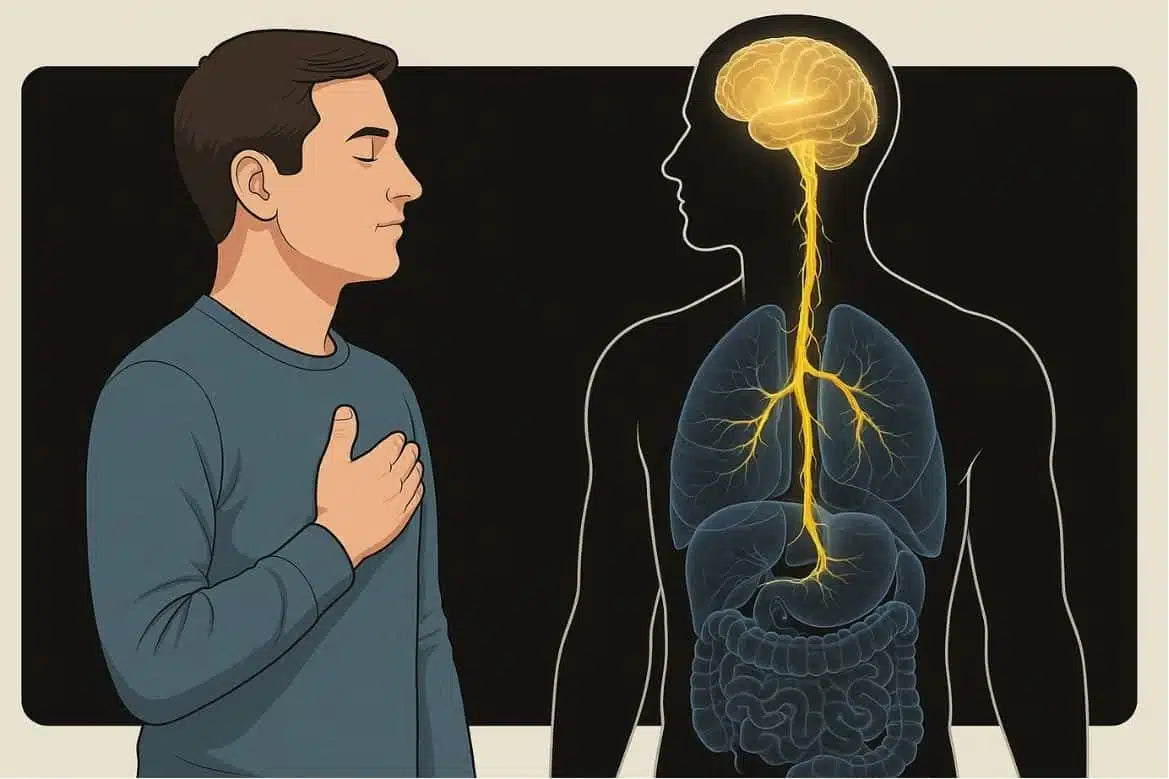
coherent breathing a slow, rhythmic breathing technique that synchronizes the heart, brain, and autonomic nervous system. In practice, this means learning to breathe at a specific rhythm to stimulate the vagus nerve, the highway of calm that connects our brain to our internal organs.
Numerous scientific studies now confirm that this method has concrete and measurable effects on stress reduction, anxiety management, sleep quality, and even cognitive function. But to reap the maximum benefits, it must be practiced correctly...
Here are six recommendations from the latest neuroscience research for deeply activating the vagus nerve with coherent breathing.

1. Focus on a 4-6 rhythm (4 seconds of inhalation, 6 seconds of exhalation)
A recent academic study (Marchant, 2025) compared several very popular breathing rhythms: coherent breathing 5-5 and 4-6, square breathing (4-4-4-4), and the 4-7-8 rhythm.
Verdict: it is the 4-6 rhythm that most strongly activates the vagus nerve and significantly increases heart rate variability (HRV)—an indicator of physiological resilience.
🧠 Source: Marchant, J. (2025). "Comparing the Effects of Square, 4-7-8, and 6 Breaths-per-Minute Breathing Conditions on HRV."

2. Do long sessions (> 15 minutes)
Researchers have observed a dose-dependent effect: the longer the session, the longer the effects on the autonomic nervous system (You et al., 2021). After 15 to 20 minutes of slow breathing, spontaneous breathing slows down on its own, a sign of prolonged vagus nerve activation.
🧬 Source: You M. et al. (2021). "Single Slow-Paced Breathing Session at Six Cycles per Minute." IJERPH.

3. Breathe with your nose and diaphragm
Nasal breathing stimulates the olfactory bulb and influences neural rhythms in the limbic brain (Zelano et al., 2016). In addition, diaphragmatic breathing activates internal receptors connected to the vagus nerve (Kocjan et al., 2017). These two types of breathing together optimize the neurological impact of coherent breathing.
🌬️ Sources: Zelano C. et al., 2016; Kocjan J. et al., 2017

4. Practice every day for at least 4 to 8 weeks.
Clinical trials have shown that coherent breathing daily for 1 to 2 months causes lasting changes in the brain: the prefrontal cortex (the seat of calmness and reasoning) becomes more connected to the amygdala (the center of fear), thanks to the neuroplasticity induced by breathing.
🔁 Source: Cho C. et al. (2023). "Changes in Medial Prefrontal Cortex Mediate Effects of Heart Rate Variability Biofeedback on Positive Emotional Memory BiasesHRV Biofeedback and Emotion-Related Brain Coordination."

5. Practice in the evening for better sleep
coherent breathing sessions coherent breathing before bedtime improve sleep quality and physiological recovery. A study (Laborde et al., 2019) showed that this practice improves nocturnal vagal activity and induces faster and deeper sleep.
🌙 Source: Laborde S. et al. (2019). "Slow-Paced Breathing and Sleep Quality." J Clin Med.
6. Use a tactile guide to facilitate practice
Tactile stimulation makes coherent breathing intuitive and sustainable over time. Research into haptic interfaces (Yu et al., 2015) has shown that tactile feedback allows for better regulation of breathing rhythm while reducing mental load, which prolongs sessions.
✋ Sources: Yu B. et al. (2015); Greinacher R. et al. (2020)

neoflo: the belt that incorporates all these recommendations
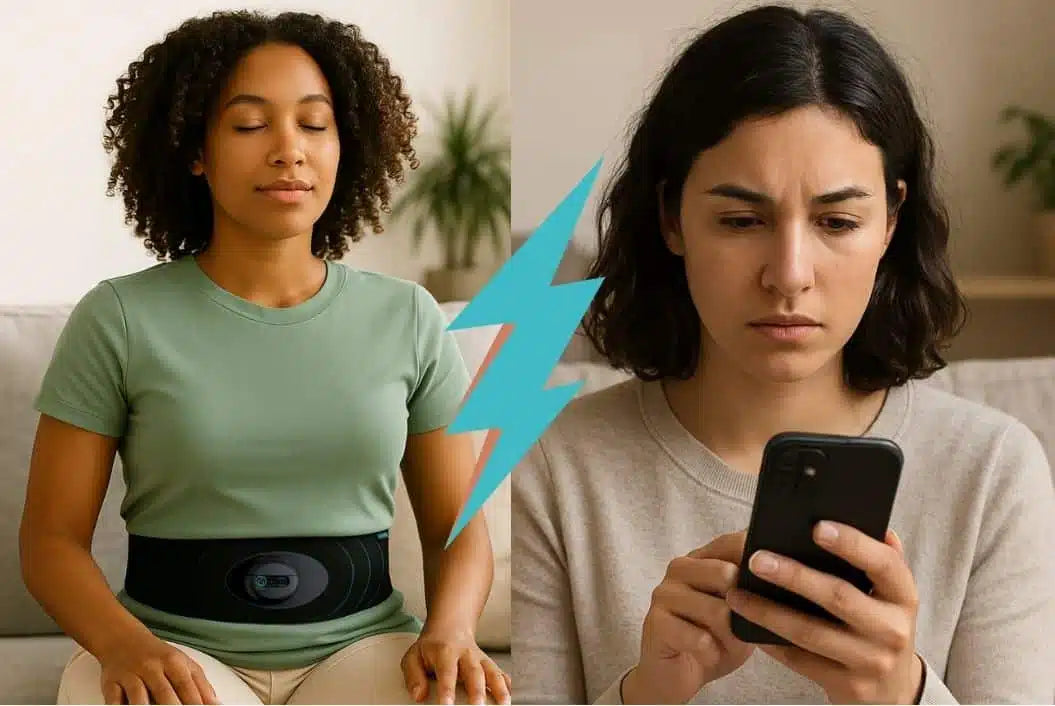
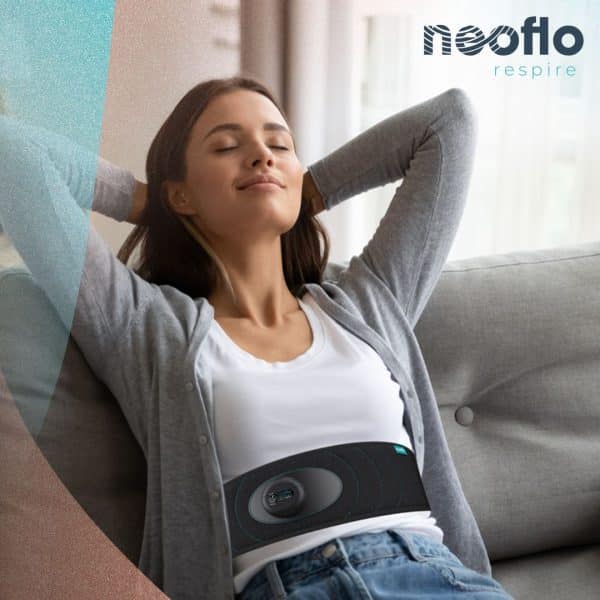
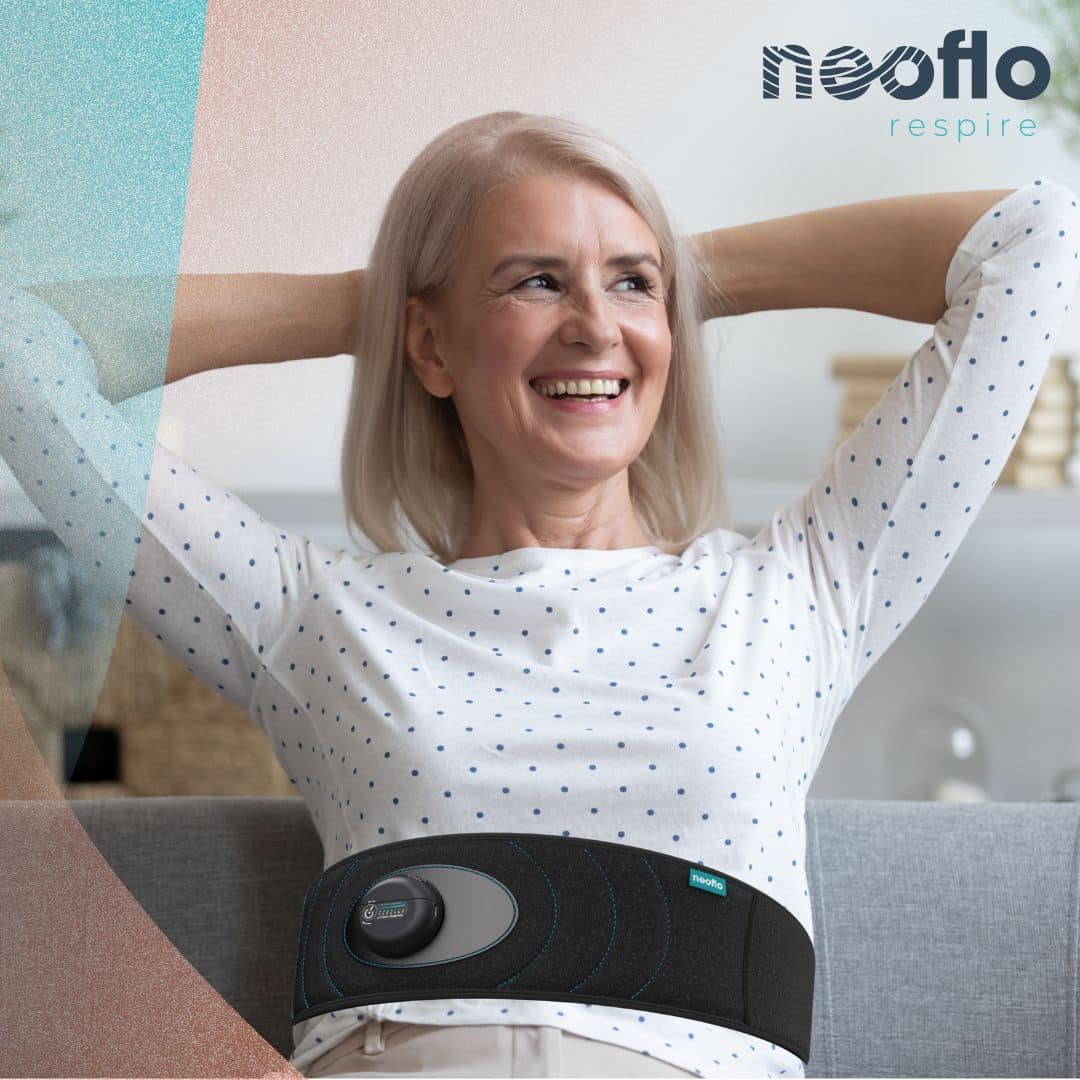
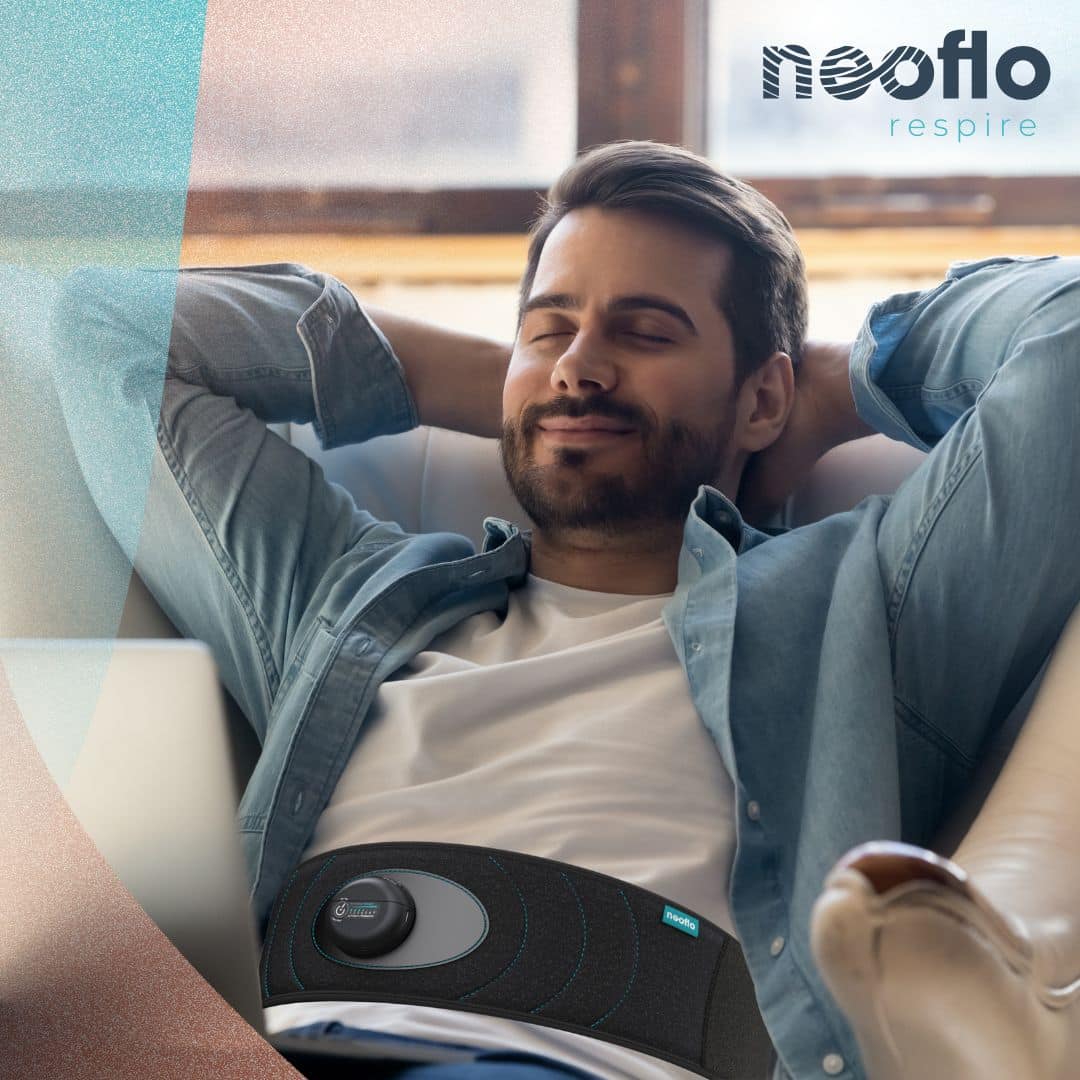
TheNeoflo breathing beltis the world's first device that guides your breathing through touch, using patented haptic technology. It guides you through a daily 20-minute practice at an optimal pace (4-6), using nasal and abdominal breathing.
👉 By using it in the evening, lying down or sitting, you naturally stimulate your vagus nerve, without having to count or follow a screen.
🎖️ Winner of the 2024 Concours Lépine award, neoflo transforms the science of breathing into an accessible ritual.

Conclusion
coherent breathing more than just a relaxation exercise: it is a powerful neurophysiological tool. But to reap all its benefits, you need to practice it for a long time, regularly, and under the right conditions.
Neoflo is here to support you.