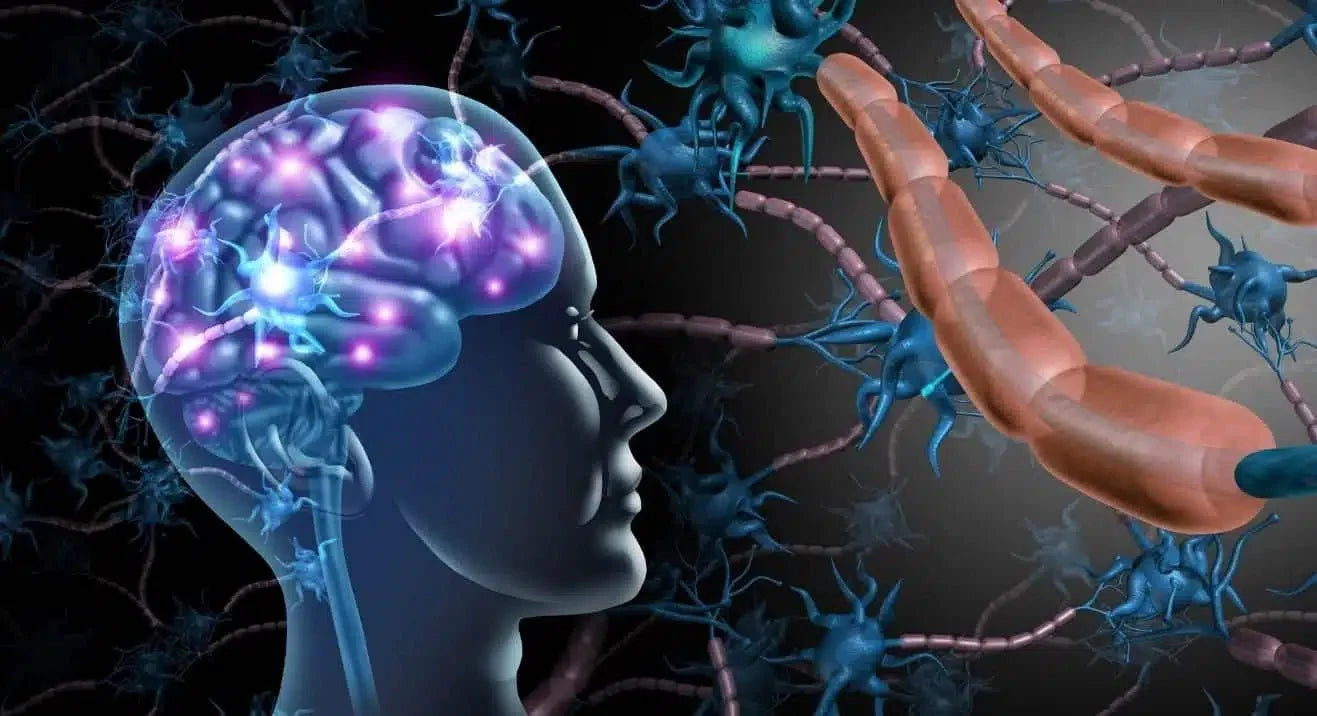
The key to well-being lies within your body
Stress is a modern-day scourge. No one is spared. It creeps up on you, speeds up your heart rate, disrupts your digestion, and disturbs your sleep…
But there is a natural stress regulator nestled deep within your nervous system. Its name: the vagus nerve.
This nerve, which is over a meter long and extends from the brainstem to innervate nearly all of your organs, acts as the conductor of the parasympathetic nervous system —the system that promotes relaxation and recovery.
Good news: You can stimulate it to manage your stress and regain your peace of mind. And one of the most powerful techniques for doing so is cardiac coherence —and more specifically, what neoflo calls the vagus nerve deep breathing.
In this article, “The Vagus Nerve and Stress,” we explain how the vagus nerve and cardiac coherence work hand in hand, and why the Neoflo breathing belt can become your best ally in activating this “natural brake” on stress.

The vagus nerve: your anti-stress superpower
Imagine an invisible communication cable connecting your brain to your heart, lungs, stomach, intestines, liver, spleen, and kidneys. This is the vagus nerve—the tenth cranial nerve, and by far the longest in the human body. Its role is to transmit signals of calm and recovery throughout your entire body.
Its most fascinating feature: 80% of its fibers run from the organs to the brain, and only 20% run from the brain to the organs. In other words, your body communicates with your brain far more than the other way around. It is through this pathway that the bulk of the mind-body connection occurs.
- When it’s fully activated: your heart rate slows down, your blood pressure drops, your digestion improves, and your mind calms down. You’re in a state of deep relaxation—both physically and emotionally.
- When you’re under-stimulated due to chronic stress: you’re in a constant state of alert. Your body is tense, you’re short of breath, your sleep is disrupted, and stress takes over.
The leading journal Sevoz-Couche & Laborde (2022, *Neuroscience & Biobehavioral Reviews*) reports that an active vagus nerve is directly linked to greater stress resilience, reduced systemic inflammation (via the anti-inflammatory cholinergic pathway), and even a boost to the immune system.

How Stress Disrupts Your Vagus Nerve
Under chronic stress, the sympathetic nervous system remains constantly activated—beyond what is necessary. The parasympathetic nervous system, and thus the vagus nerve, is gradually neglected. This is known as low vagal tone, which can be measured by heart rate variability (HRV).
Typical signs of a hypactive vagus nerve:
- High resting heart rate (typically > 70 bpm)
- Chronic anxiety, rumination, hypervigilance
- Light sleep, waking up during the night
- Functional digestive disorders, bloating, acid reflux
- Chronic muscle tension (jaws, trapezius muscles)
- Difficulty "unwinding" after a stressful day
- Low-grade chronic inflammation
If you experience several of these symptoms and they have persisted for several months, your vagus nerve needs to be retrained. The good news is that vagal tone can be trained, just like a muscle.
Free stress check
Is your body stuck in alert mode?
Find out how you're handling stress, and whether breathing exercises can help you take the pressure off.
Start my stress check🎁 Get an exclusive discount on neoflo
Cardiac coherence and the vagus nerve: a winning combination
Cardiac coherence is a breathing technique that directly influences the vagus nerve. By breathing at a specific rate— 6 cycles per minute —you synchronize your breath with your heart rate and enter into resonance with the cardiovascular baroreflex. The vagal signal to the brainstem is then maximized, and the parasympathetic nervous system takes over.
How does it work?
The rhythm most studied by science involves:
- Breathe in through your nose for 4 to 5 seconds
- Exhale slowly through your nose or mouth for 5 to 6 seconds
- Ideally, repeat this cycle for 20 minutes while breathing from the abdomen
Your heart rate slows down, your vagus nerve is fully activated, and your body enters a state of balance and deep relaxation.
Immediate effect: a sense of calm, relaxation, and letting go.
Long-term effect: The benchmark meta-analysis by Lehrer (2020) (58 randomized clinical trials) documents an effect on anxiety and depression “comparable to established treatments.” The study by Ma (2017) (Frontiers in Psychology) measures a significant decrease in salivary cortisol after 8 weeks of practice.
The hardest part of cardiac coherence is getting started and sticking with it over time. Counting your breaths, staring at a screen, or following an audio guide doesn't always come naturally. That's where neoflo changes the game.

5 or 20 minutes: the difference that makes all the difference
All over the internet, you read that you should practice cardiac coherence for 5 minutes, 3 times a day (the famous 365 method). It’s helpful for occasional relaxation, but it’s not the frequency that brings about a lasting change in vagal tone.

The Kwon 2025 meta-analysis (48 clinical trials on diaphragmatic breathing) makes it clear: the effects are dose-dependent.
- 5 minutes = acute effect. The vagus nerve is stimulated during and immediately after the session. No change in baseline tone.
- 15 to 20 minutes = the dose used in clinical trials. This is what permanently resets the resting vagal tone. When practiced daily for 4 to 12 weeks, it alters the nervous system even when you’re not practicing.
It is this regimen—20 minutes a day—that Neoflo calls the vagus nerve deep breathing. The standardized, scientifically validated version—as opposed to the popular 5-minute version, which produces only a transient, acute effect.
For details on the six recommendations backed by neuroscience (4–6 rhythm, sessions lasting more than 15 minutes, daily, in the evening, nasal and abdominal breathing, and tactile guidance), see our dedicated article oncardiac coherence exercises.
Other methods for stimulating the vagus nerve
Deep cardiac coherence is the most powerful and best-documented method, but it is not the only one. Other techniques complement it and amplify its effects:
- Exposure to cold: cold water on the face, a cold shower. This triggers the mammalian diving reflex, which is mediated directly by the vagus nerve.
- Singing, humming, gargling: the vibration of the larynx stimulates the branches of the vagus nerve that innervate the area.
- Moderate-intensity endurance exercise —such as brisk walking, cycling, or swimming—for 30 minutes a day significantly increases vagal tone.
- Authentic social connection: deep conversation, eye contact, a hug—the social pathway of the vagus nerve (Stephen Porges’ polyvagal theory).
- Quality sleep: it is during deep sleep that the parasympathetic nervous system is fully dominant.
These methods complement deep cardiac coherence. All of them activate the same parasympathetic pathway.

neoflo: the world'sfirst belt designed to stimulate the vagus nerve through deep cardiac coherence
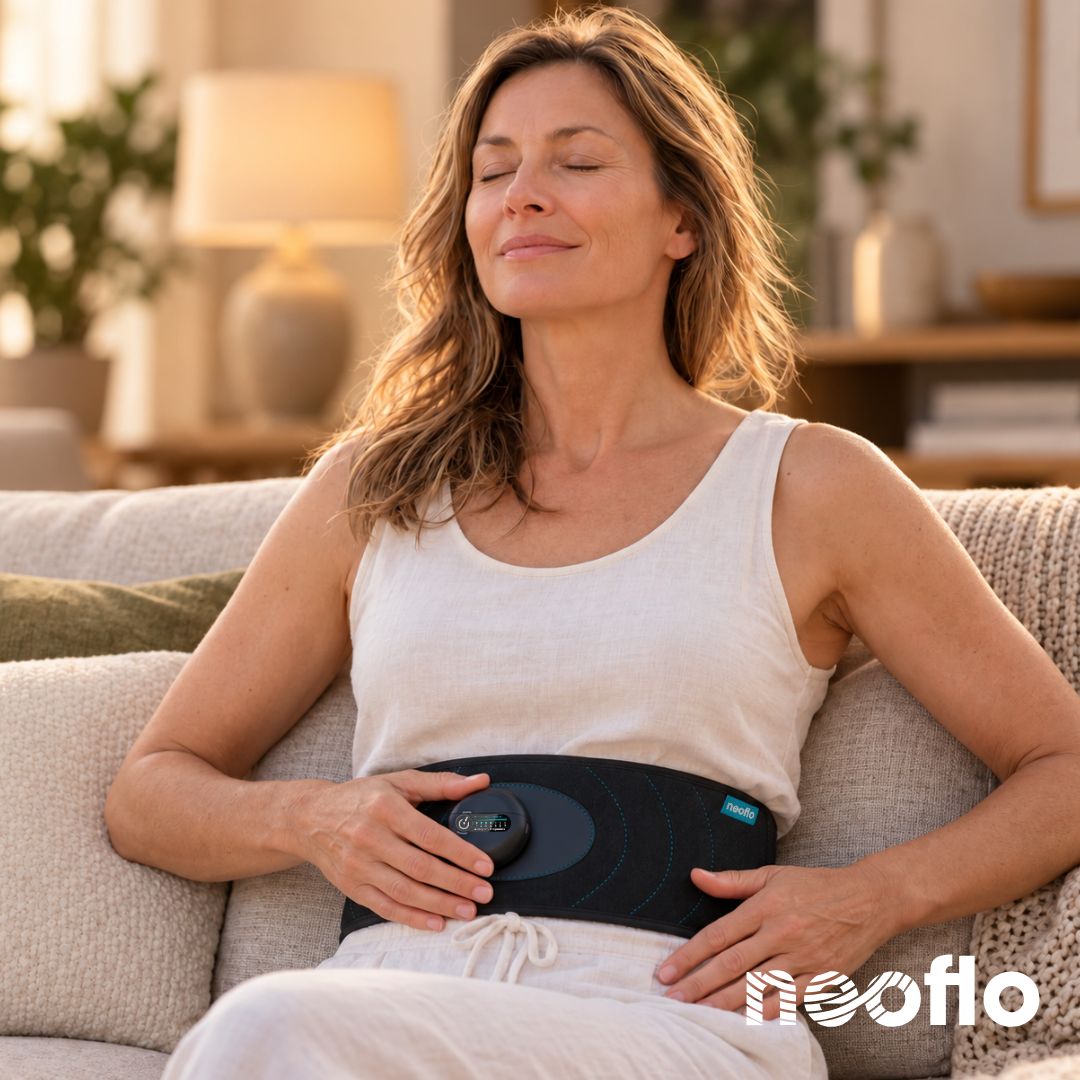
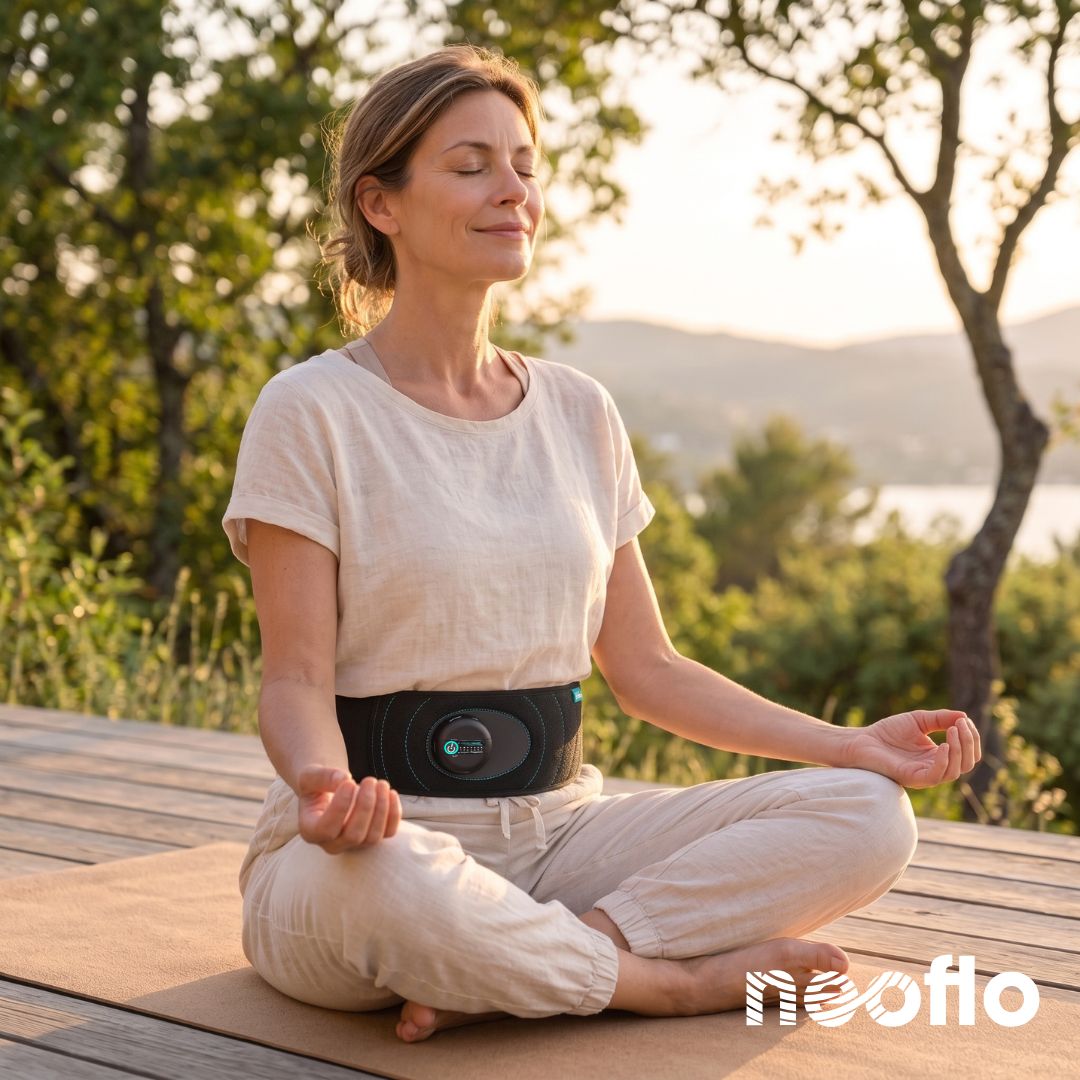
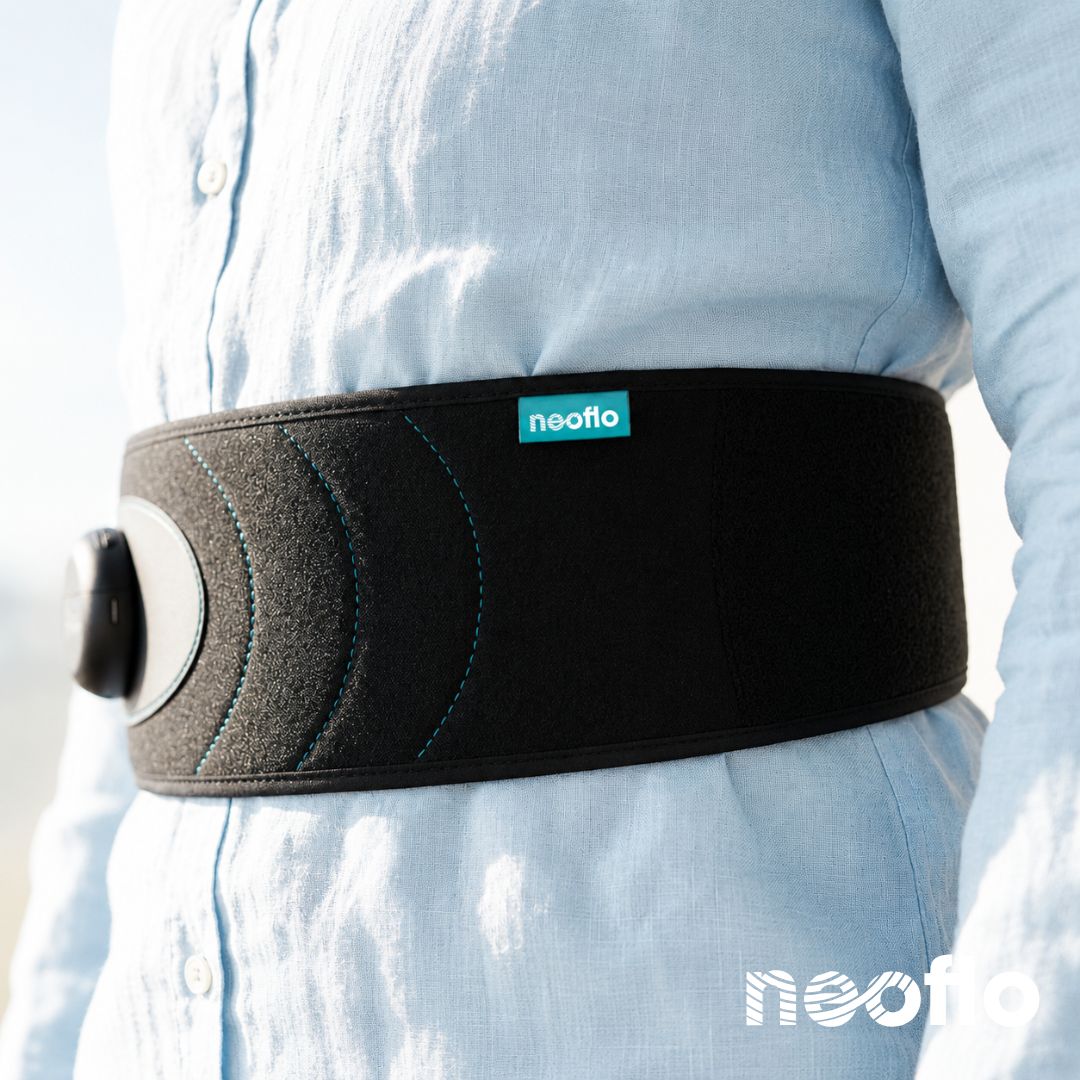
The Neoflo breathing belt allows you to practice deep cardiac coherence without a screen, without distractions, and without mental effort.
How? Through an innovative tactile vibration guidance system. Worn around the abdomen, neoflo tells you when to inhale, exhale, and at what pace, immersing you in a fluid and instinctive breathing experience.
L'étude Bouny et al. (2023, revue Sensors) a démontré que le guidage tactile produit un index de cohérence cardiaque deux fois supérieur au guidage visuel (0,55 vs 0,28, p < 0,05). Le toucher guide mieux que l'écran — et la position abdominale ajoute un rappel proprioceptif sur le diaphragme, le muscle qui mobilise les récepteurs vagaux les plus profonds.

You no longer have to adjust to your breathing—it comes to you naturally. In just 20 minutes a day, you can achieve optimal results for your vagus nerve, helping to reduce stress long-term, improve your sleep, and enhance your overall well-being.
The Neoflo belt was invented by a biomedical engineer and co-developed with Dr. Thomas Cantaloup, a physician specializing in sleep and mental health. It won the bronze medal at the 2024 Concours Lépine. It’s the perfect companion for practicing deep cardiac coherence and easily stimulating your vagus nerve.

Transform your stress into well-being thanks to the vagus nerve
Your vagus nerve is your natural ally against stress, and you can activate it in just 20 minutes a day with vagus nerve deep breathing . The Lehrer 2020 meta-analysis (58 RCTs) and recent studies confirm this: slow breathing is the best-documented non-drug intervention for increasing vagal tone and restoring balance to the nervous system.

To learn more about all the benefits and stimulation techniques, visit our comprehensive page on the vagus nerve.
So, are you ready to take back control of your well-being? Breathe in, breathe out… and let your vagus nerve do the rest.
Free stress check
Is your body stuck in alert mode?
Find out how you're handling stress, and whether breathing exercises can help you take the pressure off.
Start my stress check🎁 Get an exclusive discount on neoflo
Discover the " vagus nerve deep breathing " with neoflo
20 minutes a day of touch-guided breathing. No screens, no effort. The scientifically proven practice of cardiac coherence, finally achievable in everyday life.
- ✓ 30-day "money-back guarantee" trial
- ✓ Free shipping within 48 hours
- ✓ 2-year warranty
- ✓ Designed by a biomedical engineer and a physician
- ✓ Bronze Medal, 2024 Lépine Competition
Discover the " neoflo " belt →
neoflo This is not a medical device and is not a substitute for medical advice. If symptoms persist, consult a healthcare professional.