
Sleep apnea, anxiety: enjoy the benefits of coherent breathing
At first glance, sleep apnea andanxiety seem to belong to two different worlds. Yet these two conditions share a common enemy: physiological stress. Nocturnal apneas cause micro-awakenings and a drop in blood oxygenation, which activates the sympathetic nervous system (the “fight-or-flight” response). Anxiety, for its part, causes short, rapid breathing, which exacerbates internal tension.
The result is a vicious cycle that strains the heart, disrupts sleep, and impairs quality of life.

Among the natural solutions recognized by science, coherent breathing stands out. This breathing technique, when practiced according to a specific protocol—what neoflo calls Deep Cardiac Coherence™ —directly affects the vagus nerve, the body’s primary regulator of stress and sleep. It can be particularly beneficial for people facing the dual challenge of sleep apnea and anxiety.

1. Reduce nervous system overactivity
In people with sleep apnea or respiratory conditions such as COPD, the body spends too much time in “alert” mode. When anxiety is added to the mix, this state becomes nearly constant. coherent breathing, by synchronizing breathing with the heart rate, activates the parasympathetic nervous system, which promotes calm.
An optimal protocol involves adopting a 4-6 rhythm (4 seconds of inhalation, 6 seconds of exhalation), as validated by numerous neuroscientific studies.

2. Improve sleep quality
When practiced in the evening before bedtime, coherent breathing fall asleep and reduces nighttime awakenings. For people prone to sleep apnea andnighttime anxiety, it is not a substitute for medical treatment (such as CPAP), but it can help lower nighttime blood pressure and promote deeper physiological recovery.

The systematic review by Zuo et al. (2026) (Annals of the American Thoracic Society) also documents the beneficial effects of slow breathing on respiratory parameters in mild to moderate sleep apnea.
A good guideline: at least 15 minutes of practice to maximize vagus nerve stimulation (Laborde 2019).

3. Stabilize blood pressure
Both microapneas and anxiety can contribute to high blood pressure. Slow, steady breathing reduces sudden changes in heart rate, which helps stabilize blood pressure. The Cheng 2026 meta-analysis (13 studies, 1,097 patients) documents an average decrease of −7.7 mmHg in systolic blood pressure with daily slow breathing over 8 to 12 weeks.

4. Promote more natural breathing
People with respiratory issues related to sleep apnea often breathe shallowly, especially when they are anxious. coherent breathing nasal and abdominal breathing, which is more effective for oxygenation and muscle relaxation. It also helps break the habit of hyperventilation.

5. Strengthen the regularity of practice
To break the vicious cycle of sleep apnea and anxiety, consistency is key. A daily 20-minute session—the recommended dose of Deep Cardiac Coherence™ —can profoundly alter physiological responses to stress. Haptic guidance tools facilitate this consistency by making the practice intuitive, even with your eyes closed. The study by Bouny et al. (2023, Sensors journal) demonstrated that haptic guidance produces a coherent breathing indextwice as high as visual guidance.

How can you incorporate coherent breathing your daily routine?
For this practice to be effective, it is important to follow the six recommendations validated by neuroscience:
- 4-6 rhythm (4 seconds inhaling / 6 seconds exhaling)
- Session > 15 minutes
- Every day
- The evening before bedtime
- Nasal and abdominal breathing
- Tactile guide to maintain rhythm

You can start with simple seated sessions, closing your eyes and focusing on the movement of your abdomen. But if you have trouble staying focused or maintaining a consistent routine, a support device can make all the difference.

An innovative solution to go further
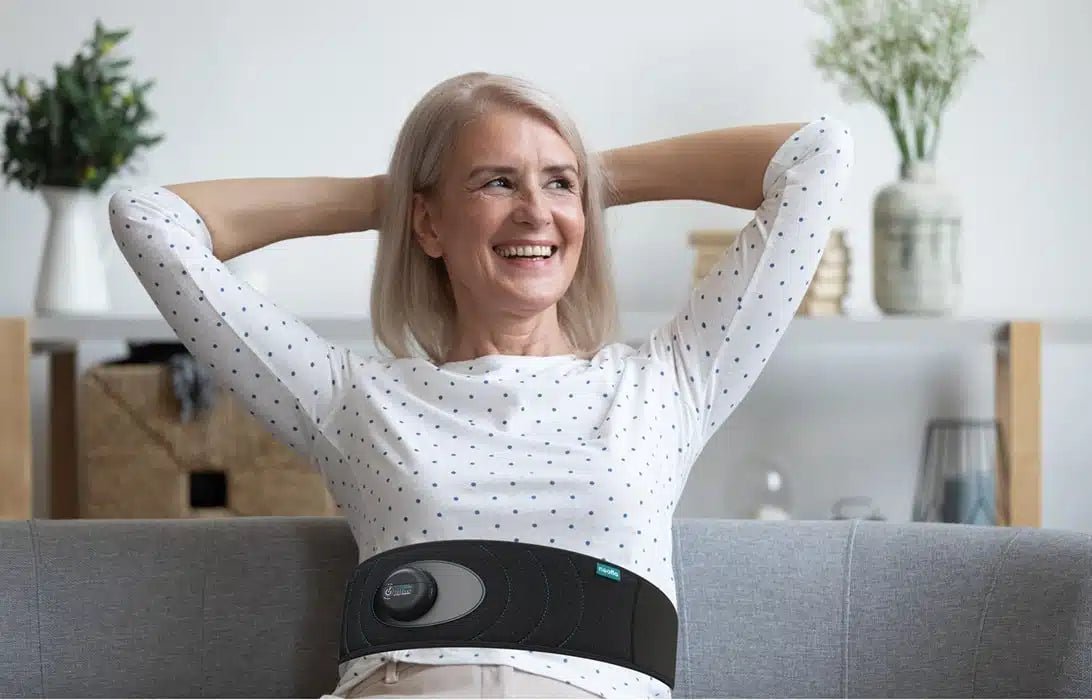
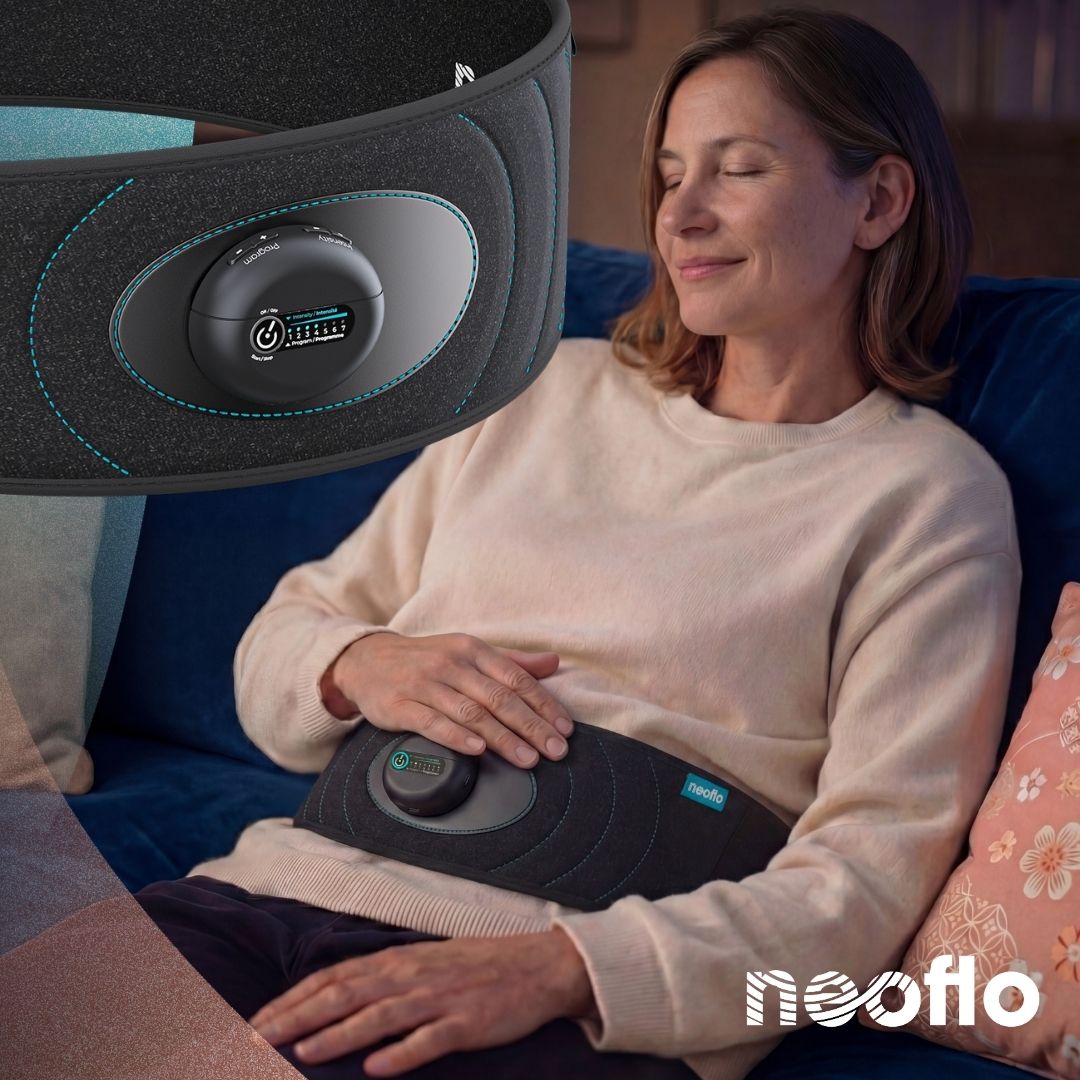
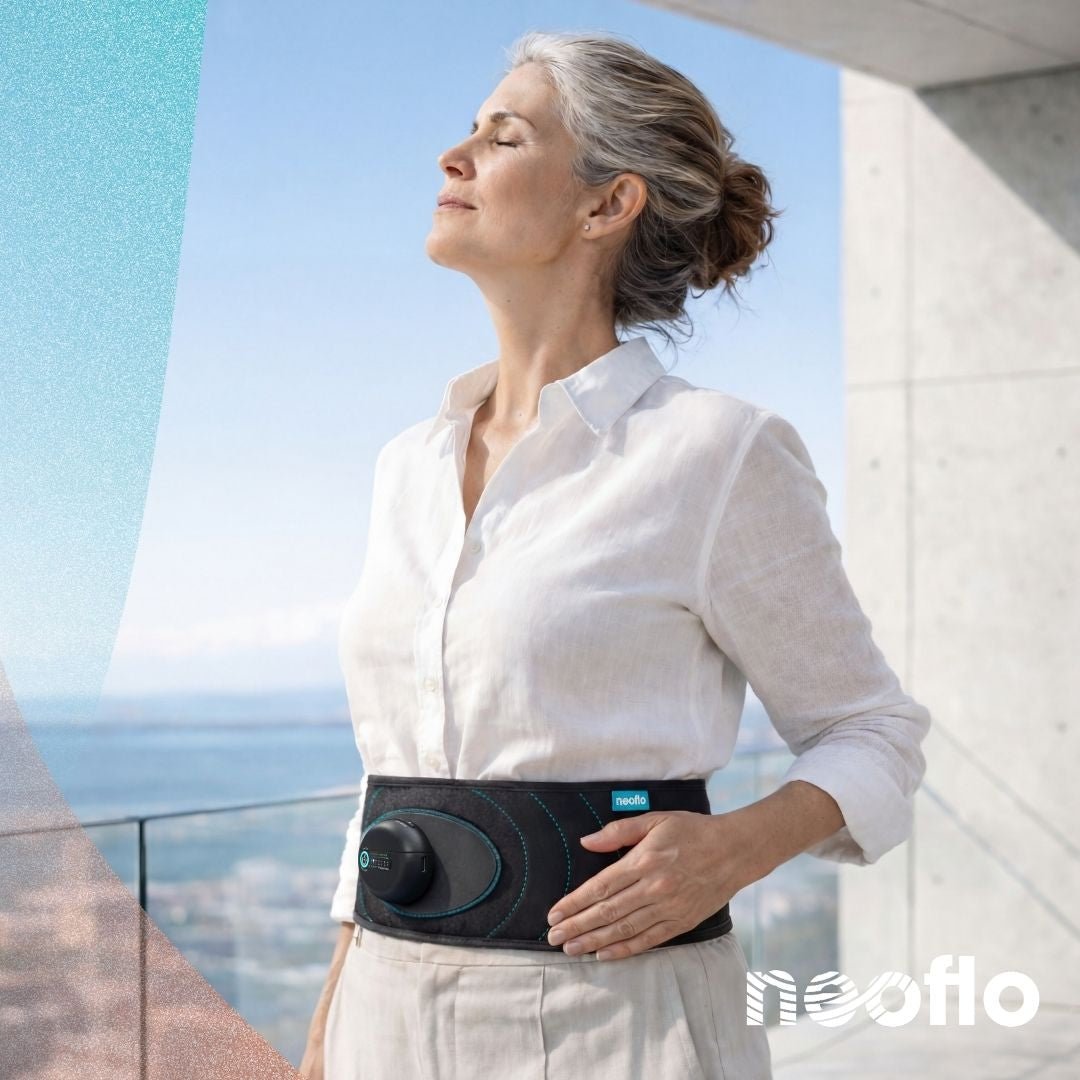
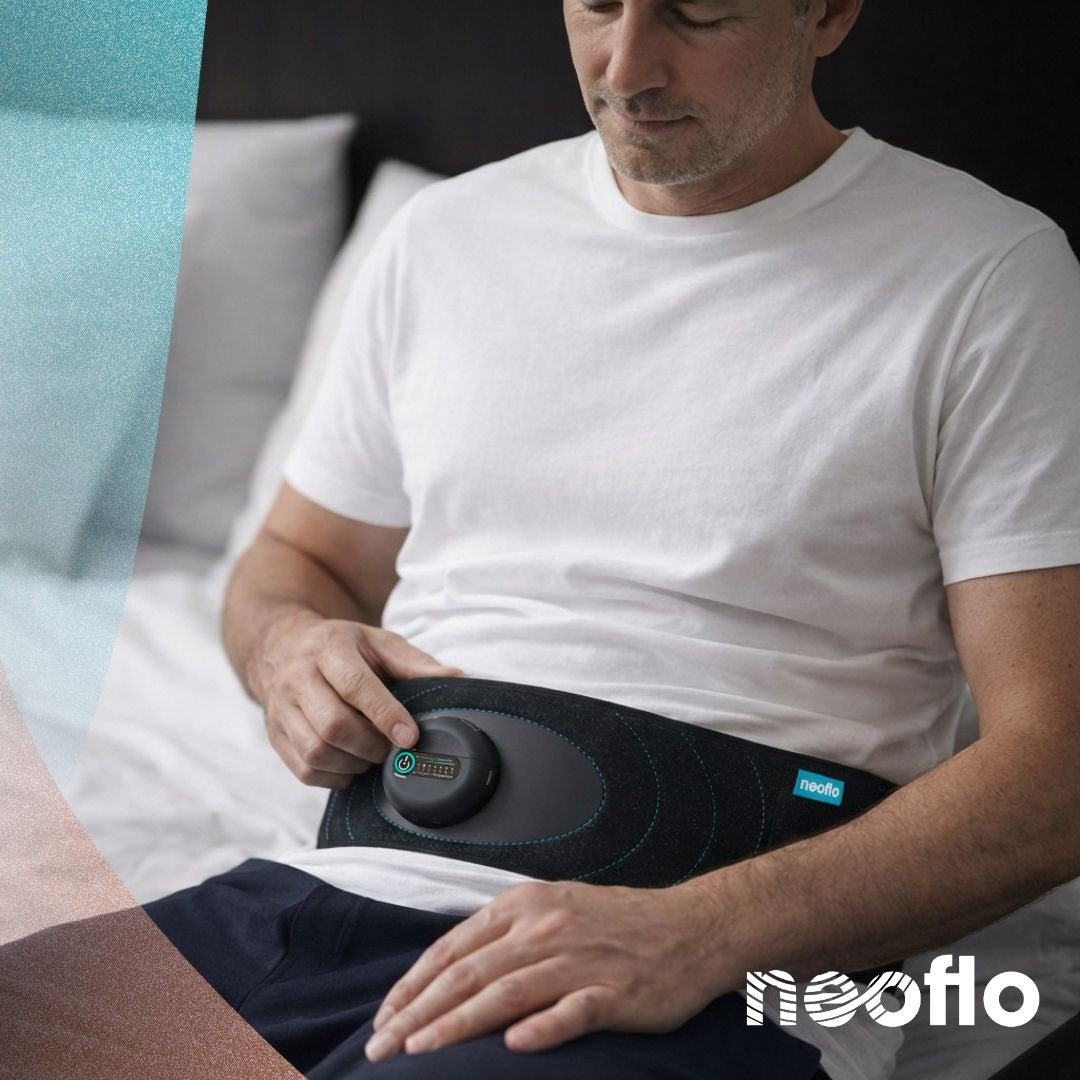
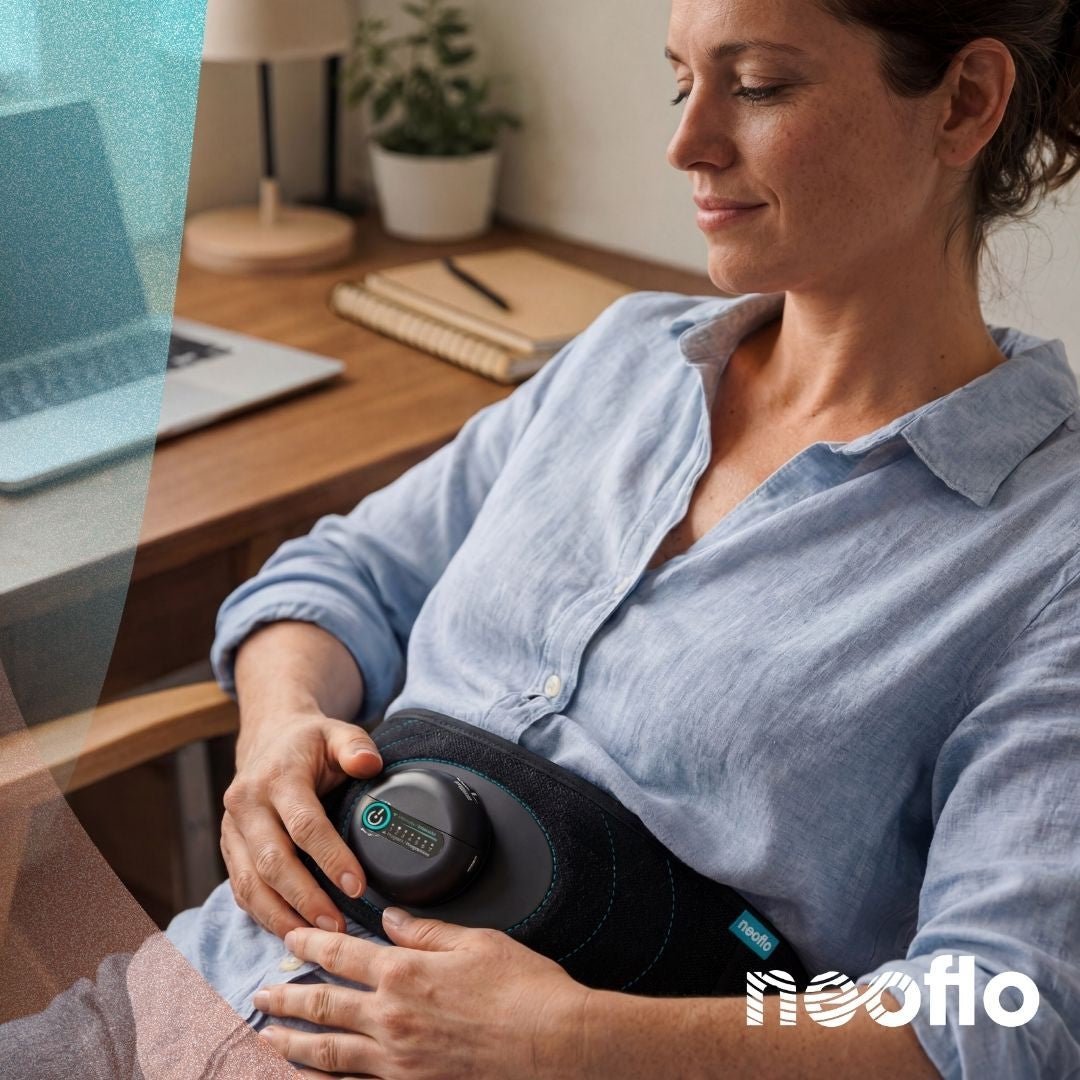
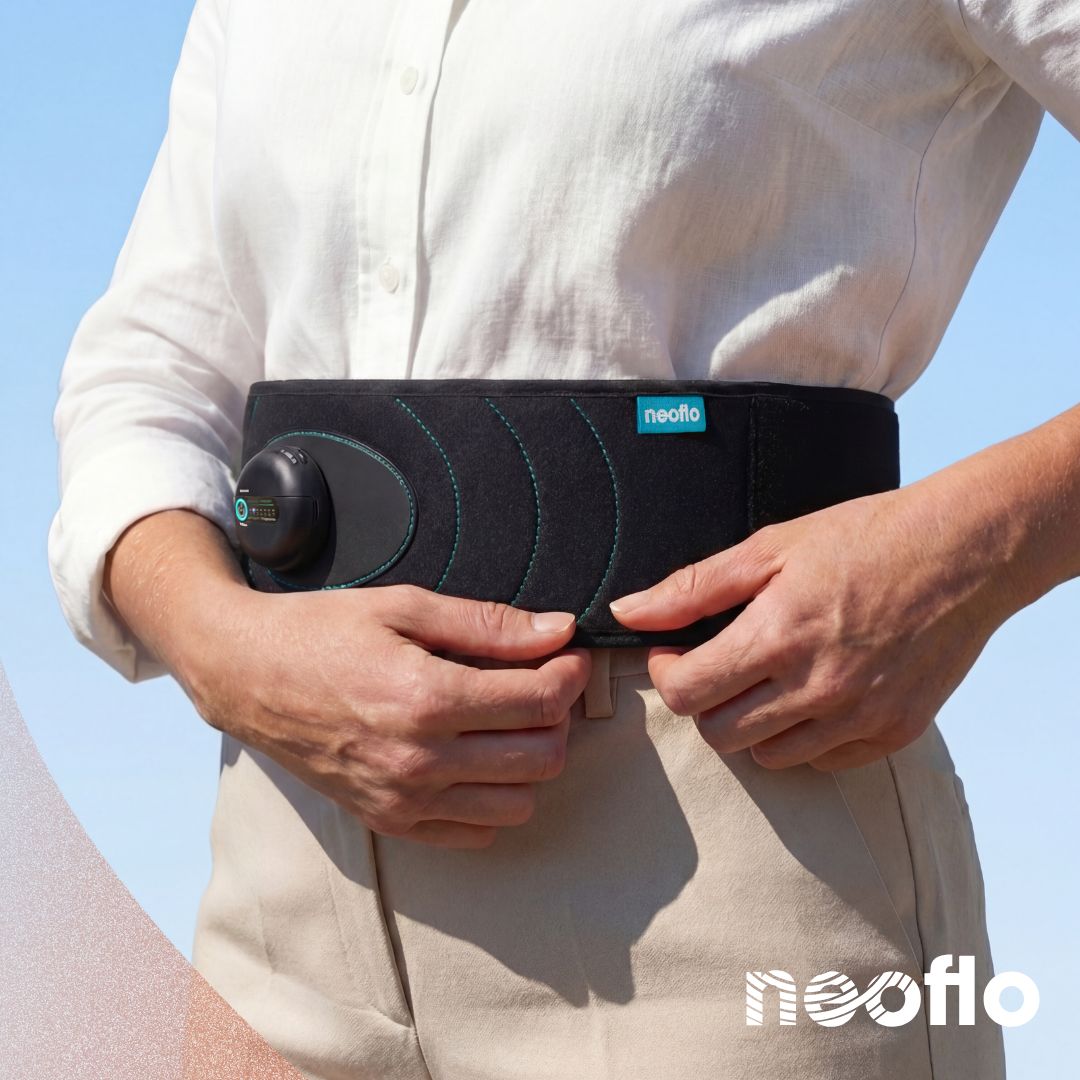
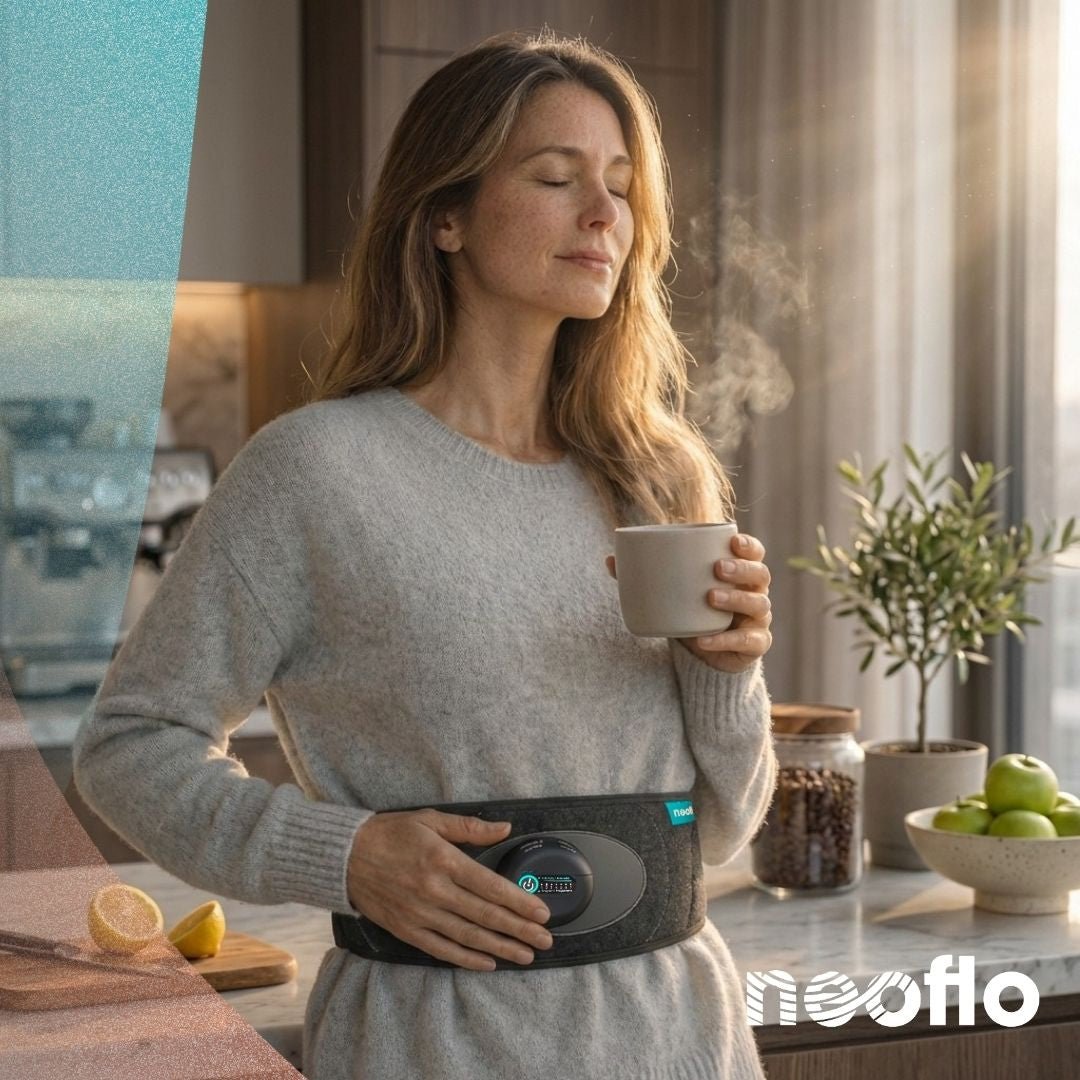
For those who prefer to practice without a screen, the Neoflo breathing belt offers unique tactile guidance. Worn around the waist, it uses gentle vibrations to signal when to inhale and exhale at the optimal rhythm. Sessions last 20 minutes—the recommended duration for Deep Cardiac Coherence™—without the need for an app or internet connection, and encourage deep abdominal breathing.

Invented by a biomedical engineer and co-developed with Dr. Thomas Cantaloup, a physician specializing in sleep and mental health. Bronze medal at the 2024 Concours Lépine.
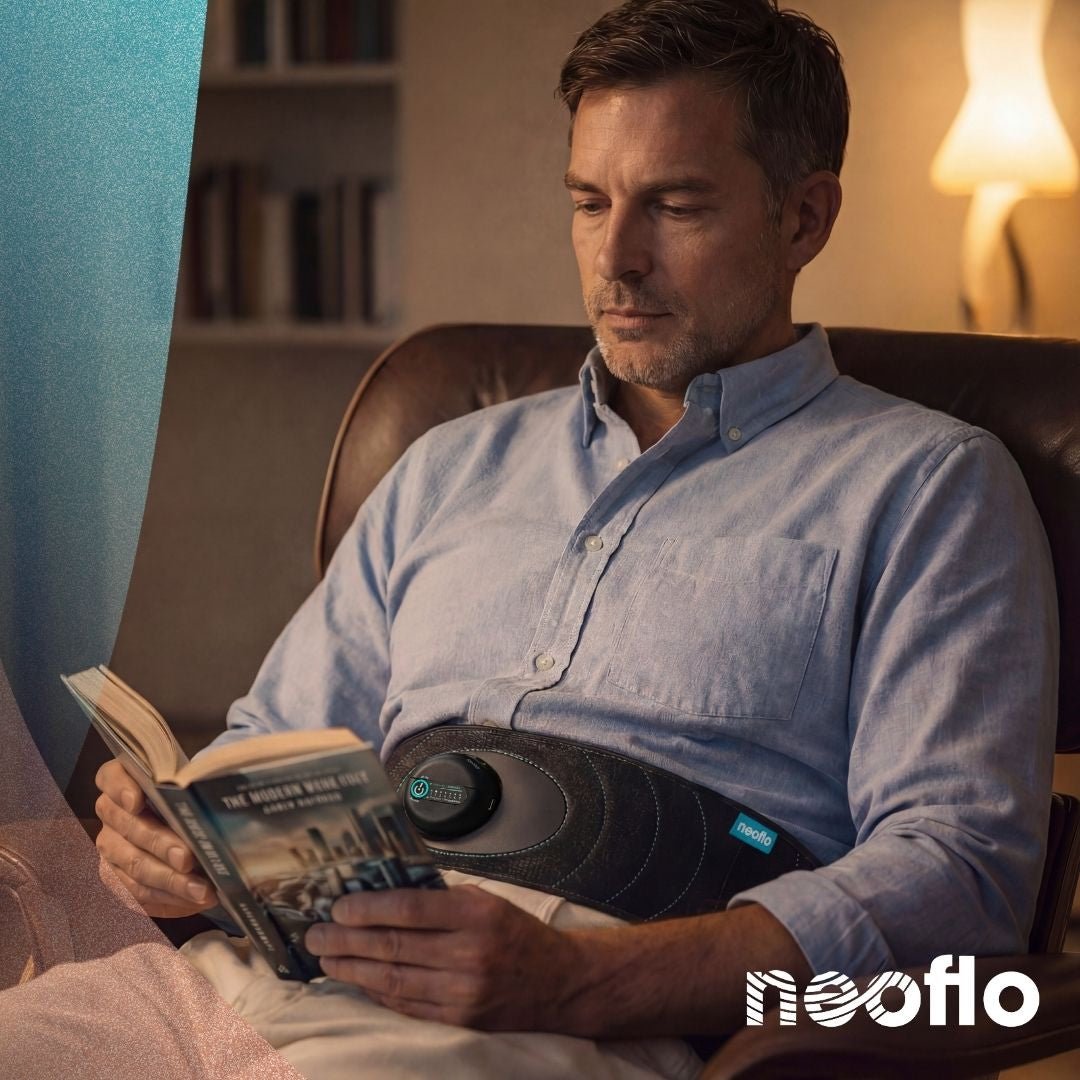
This tool has already won over many users, including those who use CPAP machines for sleep apnea, because it easily fits into their evening routine and complements—rather than interferes with—their primary medical treatment.
For more information, check out the CPAP Store blog post.

Discover Deep Cardiac Coherence™ with neoflo
20 minutes a day of touch-guided breathing. No screens, no effort. The scientifically proven practice of coherent breathing, finally achievable in everyday life.
- ✓ 30-day "money-back guarantee" trial
- ✓ Free shipping within 48 hours
- ✓ 2-year warranty
- ✓ Designed by a biomedical engineer and a physician
- ✓ Bronze Medal, 2024 Lépine Competition
neoflo is not a medical device and is not a substitute for medical advice or CPAP treatment for sleep apnea. If symptoms persist, consult a sleep specialist or pulmonologist.